Nigeria’s Global Strength: How Digital Payments Empower a Growing Diaspora

A growing global community, driving change
Nigeria’s diaspora is one of the largest and most vibrant in the world. From London to Lagos, New York to Abuja, Nigerians abroad play a critical role in fueling growth back home—through business, education, and, importantly, remittances. In 2024, remittances to Nigeria were about four times the value of Foreign Direct Investment (FDI) into the country. Nairametrics
Remittances remain a vital lifeline for families and local economies, providing everyday essentials and enabling opportunity. And today, digital payments are transforming how this support is sent: fast, safe, and affordable.
Strong growth in 2025
At Paysend, we are committed to breaking barriers and bringing simple money transfer to all, including the underserved communities. Nigeria is a priority for us, and over the past year, we’ve seen remarkable growth in money transfers to the country.
Our volumes have grown steadily throughout 2025 and are significantly higher than at the start of the year, reflecting consistent adoption and trust. This upward trend reflects a growing preference for digital, instant* transfers, and demonstrates the continued trust Nigerians place in Paysend.
Empowering every transfer
Behind every number is a story: a student supporting parents, a worker funding a business, a family sharing love across continents.
Paysend makes each of these moments possible with:
- Fast, reliable transfers
- Bank-level security that protects every transaction
- Transparent exchange rates with no hidden fees
For the Nigerian diaspora, sending money isn’t just a transaction – it’s a connection, a commitment, and a way to keep independence alive every day.
Celebrating Nigeria, connecting the world
With Paysend, Nigerians around the world can continue to build, give, and grow, powering a future that’s as bold and dynamic as the country itself.
* We’ll send your money in real-time, but it could take up to 3 business days depending on your recipient’s bank processing time.
Mga Pinakabagong Post

Sending money abroad shouldn't mean queuing in a bank branch and filling out forms with codes you may never have heard of. An international money transfer moves your money from your account, card, or wallet in the US to someone else's account, card, or wallet in another country, and, above all, it should be simple, transparent, and reliable enough that you don't have to think twice about it.
Whether you're supporting family back home, paying for something abroad, or sending a gift for a birthday you can't be there for in person, the reason you're sending matters more than the mechanics. If you're new to Paysend, your first transfer comes with zero fee and a special exchange rate, so more of what you send actually arrives, and we'll show you how to claim it.
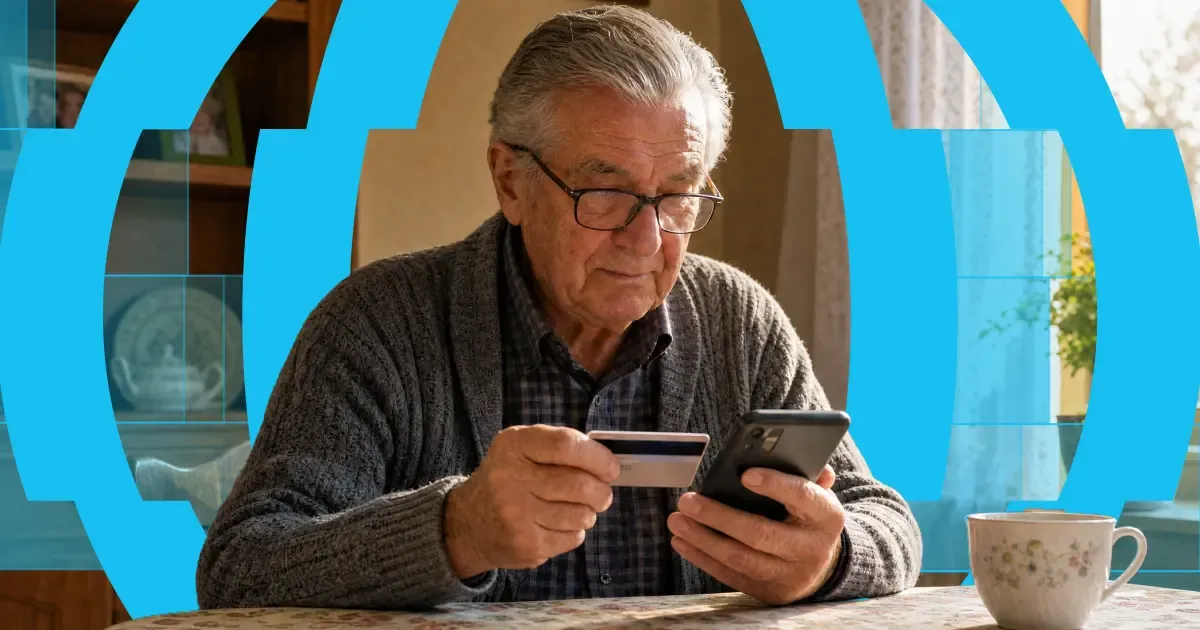
Here's the short answer: yes, you can use a credit card to get money into someone's bank account abroad. "Credit card to bank transfer" means exactly that — you fund the transfer with your credit card, and your recipient receives it in their bank account. Or on their card, in their wallet, or as cash to collect, depending on where they are.
The card and the bank account do different jobs. Your card pays for the transfer. A provider like Paysend then pays the money out through local systems on the other end. It's one flow, and it takes about a minute in the app.
One thing worth knowing before you start: a credit card is usually the most expensive way to fund a transfer. Some issuers treat it as a cash advance, and credit tends to carry higher payment fees than debit. You'll always see the full cost, exchange rate included, before you confirm anything. What follows is: the ways your money can arrive, what each one costs, how fast it gets there, and the cheaper routes worth checking first.


