The 2025 Philippine Midterm Elections: What’s at Stake — and Why the World Is Watching

When is the midterm election in the Philippines?
The 2025 Philippine midterm elections will take place on Monday, 13 May 2025.
Every three years, Filipinos head to the polls for national and local elections — and midterms are a key moment in the country’s democratic cycle. In 2025, voters will elect over 18,000 officials, including 12 Senators, the entire House of Representatives, and thousands of local government leaders.
These elections will shape not just the direction of domestic policy, but also the Philippines’ role on the world stage — especially at a time of shifting alliances, regional tensions, and economic pressure.
Here’s what you need to know.
What are the Philippine midterms?
Midterm elections are held halfway through a president’s six-year term and often act as a public verdict on their leadership so far. They’re also a sign of how the political landscape might shape up heading into the next presidential race — in this case, the 2028 elections.
In 2025, voters will decide on:
- 12 new Senators (half of the 24-seat Senate)
- All 317 members of the House of Representatives
- Thousands of local government roles — from governors to city councillors
A divided political stage: Marcos vs. Duterte
This year’s elections are taking place against a dramatic political backdrop. President Ferdinand “Bongbong” Marcos Jr. and Vice President Sara Duterte, once close allies, are now political rivals.
Duterte faces an impeachment trial, while her father, former President Rodrigo Duterte, is running for mayor of Davao City — despite being detained by the International Criminal Court. The outcome of the Senate race may determine whether the impeachment progresses or fails.
Why does it matter globally?
The Philippines may be an island nation, but its political decisions have regional and global consequences:
1. Foreign policy
President Marcos has strengthened ties with the United States, a shift away from the previous administration’s pro-China stance. The midterms may determine whether this realignment holds.
2. South China Sea tensions
How the Philippines handles territorial disputes with China will depend on the balance of power in government — something directly impacted by these elections.
3. Economic stability
Investor confidence, currency stability, and international remittance flows (a vital part of the economy) can all be affected by political outcomes.
Why overseas Filipinos are watching
For the millions of Filipinos living abroad, elections at home remain deeply personal. They can shape everything from family futures to public services in their hometowns.
And during this period, many overseas Filipinos look for ways to support family — including financially. Whether it’s helping with school fees, emergencies, or just staying connected, services like Paysend make it easier than ever to send money to a debit card instantly in the Philippines.
With instant card-to-card transfers, you can support loved ones securely and directly — with no hidden costs and full visibility.
How to sign up to Paysend
Getting started is simple:
- Sign-up via the Paysend app or on the official Paysend website.
- Enter your mobile number (with country code)
- Verify your phone or create a four-digit passcode
- Add your name, date of birth, and email
- Enter your residential address
Done — you’re ready to transfer.
The road ahead
With the midterm election date set for 13 May 2025, the Philippines stands at a political crossroads. The results will influence not only national policy but also global diplomacy, trade, and regional stability.
Whether you’re voting, watching from abroad, or supporting loved ones from afar, this is a moment of significance — for the Philippines and beyond.
Mga Pinakabagong Post
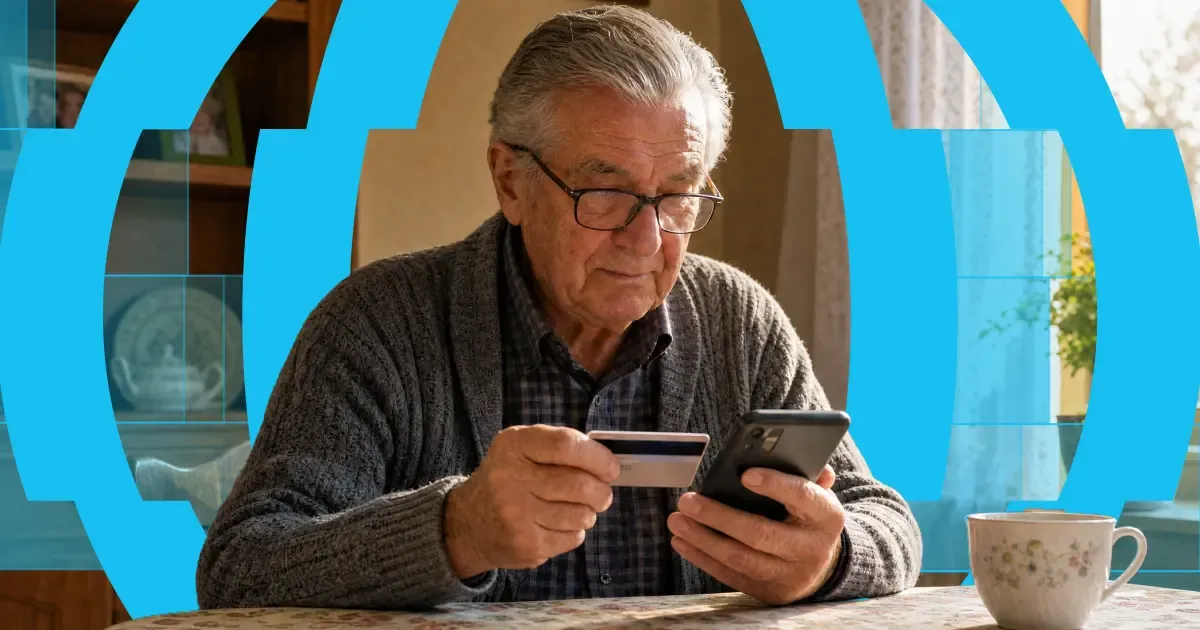
Here's the short answer: yes, you can use a credit card to get money into someone's bank account abroad. "Credit card to bank transfer" means exactly that — you fund the transfer with your credit card, and your recipient receives it in their bank account. Or on their card, in their wallet, or as cash to collect, depending on where they are.
The card and the bank account do different jobs. Your card pays for the transfer. A provider like Paysend then pays the money out through local systems on the other end. It's one flow, and it takes about a minute in the app.
One thing worth knowing before you start: a credit card is usually the most expensive way to fund a transfer. Some issuers treat it as a cash advance, and credit tends to carry higher payment fees than debit. You'll always see the full cost, exchange rate included, before you confirm anything. What follows is: the ways your money can arrive, what each one costs, how fast it gets there, and the cheaper routes worth checking first.

Every month, thousands of people working in the Czech Republic send part of their payday home — many of them Ukrainians supporting family across the border. And the traditional route makes it harder than it should be: bank wires that ask for IBANs and SWIFT codes, fees that only show up after the money's gone, and days of waiting while someone at home is counting on it.
Pavel Štich has spent years helping his readers solve exactly that. He's Co-Founder and Lead Financial Editor at Moneyo.cz, an independent Czech platform that compares money transfer services, stock brokers, and alternative investments — and a Paysend Ambassador, which means he tests what he recommends, explains it plainly, and brings his readers reader-only perks. We asked him how Moneyo started, who reads it, and why he chose Paysend.


