What Money Do They Use in Peru?
Peru’s official currency is the Sol (PEN), represented by the symbol S/. The Peruvian sol is subdivided into 100 céntimos and has been the national currency since 1991, when it replaced the inti. Today, the sol is the only legal tender accepted across the country – from Lima’s busy shopping malls to small markets in the Andes.
Quick facts about the Peruvian Sol
- Currency code: PEN
- Symbol: S/
- Subunit: 1 sol = 100 céntimos
- Coins: 5, 10, 20, and 50 céntimos; 1, 2, and 5 soles
- Banknotes: 10, 20, 50, 100, and 200 soles
A brief history of money in Peru
Peru has had several currencies over the past century, largely due to inflation. The current sol was introduced in 1991, replacing the inti at a rate of 1 sol = 1,000,000 intis. The word sol means “sun” in Spanish, linking it to Peru’s heritage and Inca symbolism.
Using money in Peru today
Everyday spending
- Cash is still common, especially in rural areas and for small purchases like market goods or local transport.
- In cities, Visa® and Mastercard® are widely accepted at hotels, restaurants, and shops.
Visa is a registered trademark of Visa International Service Association and used under license.
Mastercard is a registered trademark, and the circles design is a trademark of Mastercard International Incorporated.
ATMs and banking
- ATMs are common in urban centers, dispensing both soles and U.S. dollars.
- Foreign cards are widely accepted, though fees can apply.
U.S. dollars in Peru
- U.S. dollars are also used in some areas, especially for large purchases like hotels or appliances.
- Many exchange houses (casas de cambio) allow you to swap dollars for soles at competitive rates.
Exchange rate and value
The Peruvian sol has been relatively stable compared to other Latin American currencies. Exchange rates can fluctuate, so always check the live rate before exchanging or sending money abroad.
Sending money to Peru
If you need to send support to family or friends in Peru, services like Paysend let you transfer money directly to bank accounts, cards, or even for cash pickup. This makes it easy for recipients to access soles without needing to visit exchange houses or handle extra conversion fees.
Key takeaways
- Peru’s official currency is the sol (S/), code PEN.
- Available in coins (céntimos and soles) and banknotes up to S/200.
- U.S. dollars are accepted in some contexts, but soles are essential for everyday life.
- For the best experience, use a mix of cash and cards, and check live exchange rates before transferring or exchanging.
Planning to send money to Peru? With Paysend, you can move money quickly and securely, helping your loved ones access soles when they need them most.
The educational materials on this site are provided for informational purposes only and do not reflect the opinions of Central Bank of Kansas City, Member FDIC. Educational materials may contain links to content on third-party websites, which are provided for your convenience; please note that linked sites may have a privacy and security policy different from our own, and we cannot attest to the accuracy of information.
The Central Bank of Kansas City does not guarantee nor expressly endorse any particular business, product, service, or third-party content.
Latest Posts
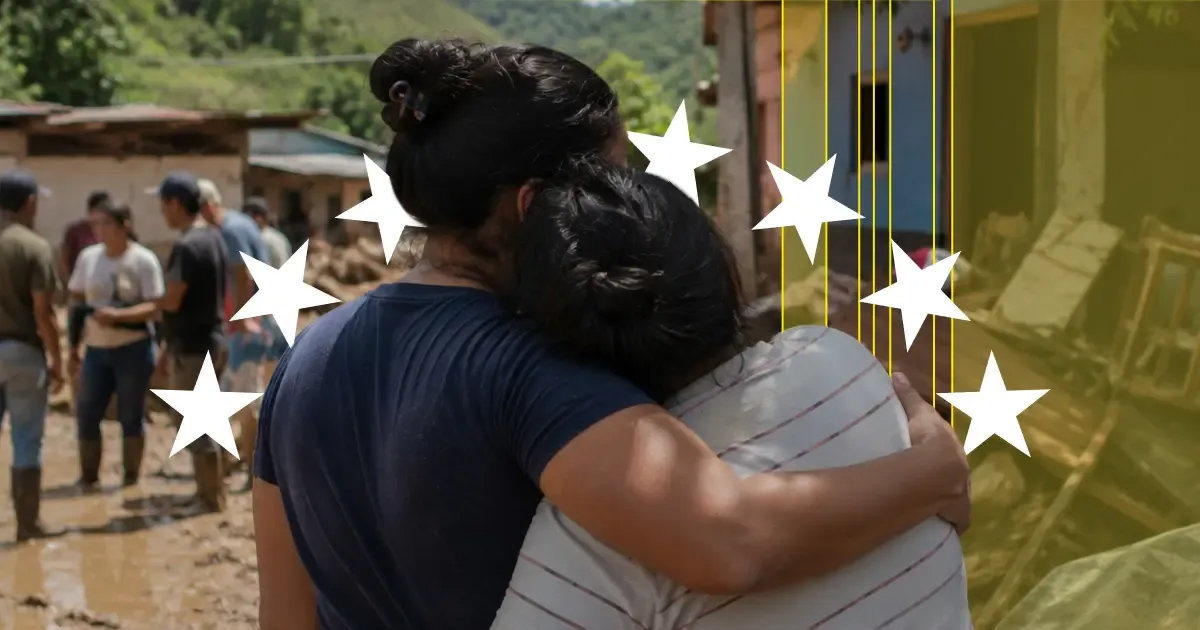
Following the earthquakes that struck Venezuela on 24 June 2026, Paysend is waiving its transfer fee on money sent to Venezuela for two weeks, from 25 June to July 9 2026, so you can support family and friends without paying a fee. Exchange rates apply as normal, and you'll always see the full cost before you send.

You can send money to Bulgaria directly to a Visa card or bank account with Paysend — an international money transfer service covering more than 170 countries. Transfers use a fixed-fee pricing model, with funds arriving fast. Your money travels a trusted global route, safe, fair, and on time.


