From Holiday Cheer to New Year Ambitions: Financial Tips for 2026

As we step into a fresh new year, it’s the perfect time to reset, reflect, and plan for smarter financial habits. Here are simple, practical tips to make 2026 your most financially confident year yet.
1. Set One Big Financial Goal
Whether it’s saving more, sending money home regularly, investing, or paying off debt — choose one priority and build your plan around it.
With Paysend’s fast, low-cost global transfers, sticking to your sending goals becomes easier and more predictable, helping you support loved ones with confidence.
2. Automate What You Can
Automatic transfers, savings contributions, or recurring reminders make staying on track effortless.
Paysend helps simplify this with instant transfers you can rely on anytime — so supporting family abroad becomes something you never have to stress about.
3. Build a “Holiday Recovery Fund”
The post-festive season can be tough.
A small monthly savings buffer helps ease the transition into January expenses.
And with Paysend’s transparent fees and competitive FX rates, you keep more of your money — making it easier to rebuild your budget after the holidays.
4. Track Your Cross-Border Costs
If you support family abroad, take note of fees, exchange rates, and timing.
Even small adjustments can save you more across the year.
Paysend’s clear pricing and real-time transfer updates make it simple to understand exactly what you’re sending — and what your loved ones receive.
5. Lean Into Tools That Make Life Easier
Whether it’s budgeting apps, payment reminders, or instant low-cost global transfers — the right tools reduce stress and increase control.
Paysend is designed to be one of those tools: fast, secure, and always there when you need to send support home with peace of mind.
Kick off 2026 with confidence — and let Paysend help you move money smarter.
The materials on this blog are provided for informational purposes only and do not reflect the opinions of Central Bank of Kansas City, Member FDIC. Blog posts may contain links to content on third-party websites, which are provided for your convenience; please note that linked sites may have a privacy and security policy different from our own, and we cannot attest to the accuracy of information. The Central Bank of Kansas City does not guarantee nor expressly endorse any particular business, product, service, or third-party content.
Son Yazılar

Her ay, Çek Cumhuriyeti'nde çalışan binlerce kişi maaşının bir kısmını eve gönderiyor — bunların çoğu, sınırın diğer tarafındaki ailesini destekleyen Ukraynalılar. Ve geleneksel yol, basit olması gereken bir işi zorlaştırıyor: IBAN ve SWIFT kodu isteyen banka havaleleri, para gittikten sonra ortaya çıkan ücretler ve evde birinin o paraya güvendiği günler süren bekleyişler.
Pavel Štich yıllardır okuyucularının tam olarak bu sorunu çözmesine yardımcı oluyor. Para transferi hizmetlerini, borsa aracı kurumlarını ve alternatif yatırımları karşılaştıran bağımsız bir Çek platformu olan Moneyo.cz'nin Kurucu Ortağı ve Finans Yayın Yönetmeni — ve aynı zamanda bir Paysend Elçisi, yani tavsiye ettiği her şeyi kendisi test ediyor, sade bir dille anlatıyor ve okuyucularına özel avantajlar sunuyor. Ona Moneyo'nun nasıl başladığını, kimlerin okuduğunu ve neden Paysend'i seçtiğini sorduk.
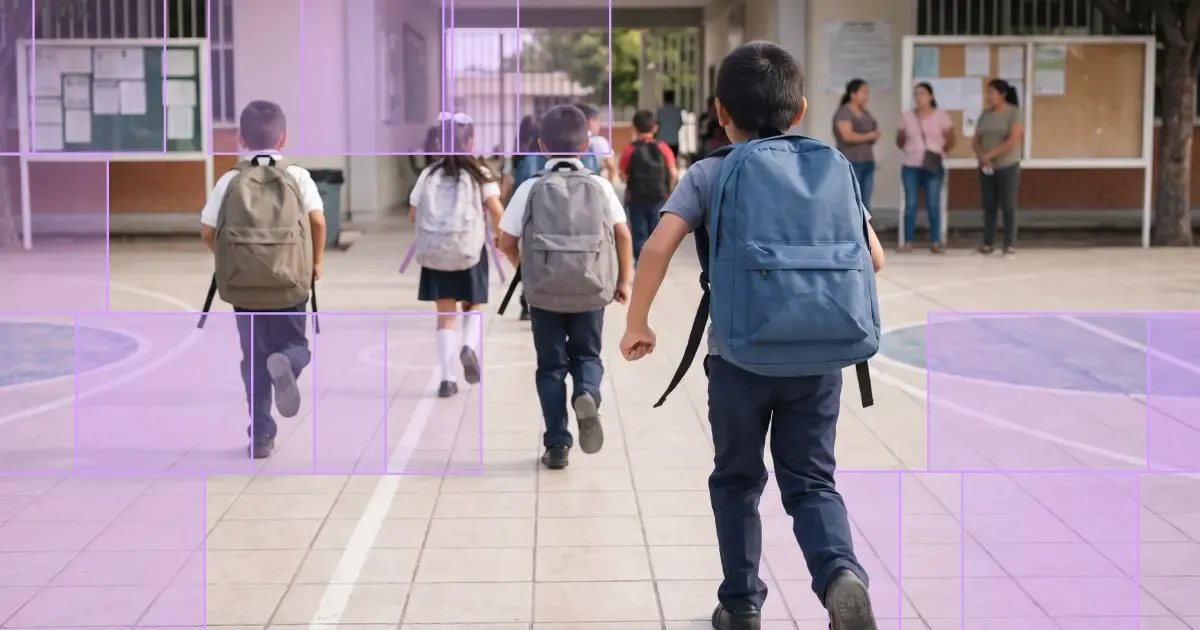
Back-to-school season can be one of the times of year you feel furthest from the people you love. It's also one of the most expensive – school supplies, uniforms, tuition, and everyday essentials all add up at once. Many people help cover these costs by sending money internationally to family abroad. To support that, new Paysend customers get a fee-free first transfer at a better exchange rate during the back-to-school period.
Whether you're helping pay for school or everyday expenses, an international transfer can get support to the people who need it, when they need it. Paysend lets customers send money to more than 170 countries through secure, straightforward payment methods — here's how to sign up for free and claim the offer.


