How to Say Cheers in Polish

Whether you're travelling abroad, moving to a new country, or simply brushing up on cultural basics, learning how to say cheers in the local language is a simple but meaningful way to connect.
From raising a glass with friends on holiday to making a toast at a family dinner, this small gesture can leave a lasting impression. And if you're moving abroad or supporting loved ones who have, knowing how to blend in – even at the bar – can go a long way.
Let’s start with how to say cheers in Polish – it’s ‘Na zdrowie’ – but let’s take a look at how that’s pronounced…
How to Say Cheers in Polish
In Polish, the most common way to say cheers is:
“Na zdrowie” (pronounced: nah ZDROH-vyeh)
It literally translates to: “To your health”
You’ll hear this phrase in social settings, especially when clinking glasses over a shot of vodka, a beer or even during a festive family meal. It’s also used when someone sneezes – similar to “bless you” in English – so context is key.
Quick Tip:
Make eye contact when saying Na zdrowie – it's considered respectful and adds to the sincerity of the toast.
Why it matters
Poland is home to a large, welcoming diaspora – and many people living abroad keep traditions like this alive wherever they are. Whether you're travelling to Kraków, visiting family, or raising a glass with Polish friends overseas, knowing this one phrase shows thoughtfulness and cultural awareness.
And if you’re sending money to Poland to support loved ones back home, it’s these little connections — a word, a gesture, a shared tradition — that help keep you close.
Bonus: Cheers in Irish
You might be surprised how often this one comes in handy – because let’s face it, you can find an Irish bar in almost any corner of the world.
In Irish Gaelic, the word for cheers is:
“Sláinte” (pronounced: SLAWN-cha)
Translation: “Health”
You might also hear “Sláinte mhaith” (SLAWN-cha wah) which means “Good health.”
Whether you're toasting with new friends in Dublin or raising a glass in Sydney, Boston or Berlin, Sláinte is a word that follows the Irish diaspora everywhere. It’s a universal way to show respect and camaraderie — perfect for pub nights, St. Patrick’s Day, or any lively gathering.
Bonus: Cheers in Spanish
Spanish is one of the most widely spoken languages in the world, making this a must-know for travellers and expats alike.
In Spanish, you say:
“¡Salud!” (pronounced: sah-LOOD)
Translation: “Health”
It’s used just like in English – for toasts, and also when someone sneezes. Whether you're in Madrid, Mexico City or Miami, ¡Salud! is your go-to phrase for shared moments over wine, beer or even a cafecito.
Final sip: Why learn local toasts?
Learning a few phrases like Na zdrowie, Sláinte or ¡Salud! is more than just fun – it’s a sign of respect and openness. Whether you're on holiday, starting a new life abroad, or simply connecting with friends and family across borders, language creates bridges. And that matters.
Because it’s not just about what you say – it’s about how you say it. And sometimes, saying “cheers” in the local language is the easiest way to say, I’m with you.
Looking to transfer money to Poland? Do it with Paysend
Check out our related posts:
Son Yazılar
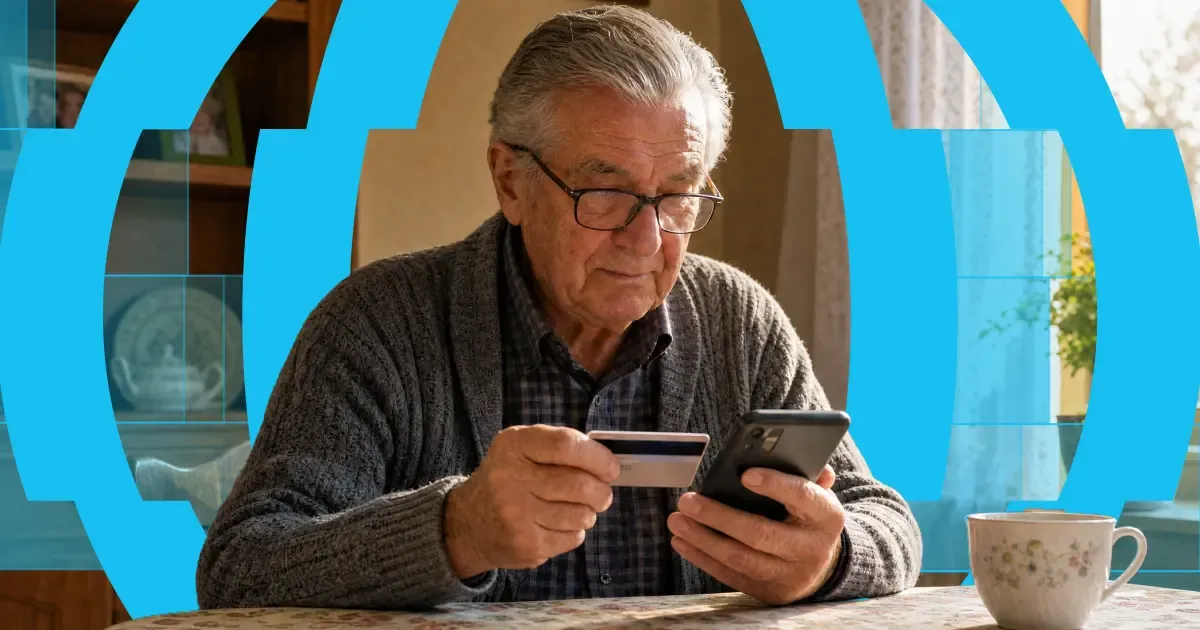
Here's the short answer: yes, you can use a credit card to get money into someone's bank account abroad. "Credit card to bank transfer" means exactly that — you fund the transfer with your credit card, and your recipient receives it in their bank account. Or on their card, in their wallet, or as cash to collect, depending on where they are.
The card and the bank account do different jobs. Your card pays for the transfer. A provider like Paysend then pays the money out through local systems on the other end. It's one flow, and it takes about a minute in the app.
One thing worth knowing before you start: a credit card is usually the most expensive way to fund a transfer. Some issuers treat it as a cash advance, and credit tends to carry higher payment fees than debit. You'll always see the full cost, exchange rate included, before you confirm anything. What follows is: the ways your money can arrive, what each one costs, how fast it gets there, and the cheaper routes worth checking first.

Her ay, Çek Cumhuriyeti'nde çalışan binlerce kişi maaşının bir kısmını eve gönderiyor — bunların çoğu, sınırın diğer tarafındaki ailesini destekleyen Ukraynalılar. Ve geleneksel yol, basit olması gereken bir işi zorlaştırıyor: IBAN ve SWIFT kodu isteyen banka havaleleri, para gittikten sonra ortaya çıkan ücretler ve evde birinin o paraya güvendiği günler süren bekleyişler.
Pavel Štich yıllardır okuyucularının tam olarak bu sorunu çözmesine yardımcı oluyor. Para transferi hizmetlerini, borsa aracı kurumlarını ve alternatif yatırımları karşılaştıran bağımsız bir Çek platformu olan Moneyo.cz'nin Kurucu Ortağı ve Finans Yayın Yönetmeni — ve aynı zamanda bir Paysend Elçisi, yani tavsiye ettiği her şeyi kendisi test ediyor, sade bir dille anlatıyor ve okuyucularına özel avantajlar sunuyor. Ona Moneyo'nun nasıl başladığını, kimlerin okuduğunu ve neden Paysend'i seçtiğini sorduk.


