From Pigeons to Paysend: A Brief History of Sending Money Home
Long before apps, banks, or even paper money, people still had the same need we have today:
to send value across distance.
What’s changed isn’t the motivation — it’s the method.
The Earliest Transfers: Trust and Ingenuity
Centuries ago, money didn’t move digitally — it moved through people, animals, and reputation.
Merchants relied on trusted couriers. Messages and instructions were carried across borders by foot, horse… and yes, even pigeons. Value was transferred not through systems, but through relationships.
It was slow. It was risky. But it worked — because it had to.
The Rise of Informal Networks
As trade expanded, informal systems like hawala emerged. These networks allowed money to move quickly without physically crossing borders, based entirely on trust and local agents.
For many communities, this was revolutionary. Funds could move fast, even where banks didn’t exist.
But informality came at a cost:
- No guarantees
- No transparency
- No protection if something went wrong
Trust lived in people — not in systems.
Banks, Wires, and the Age of Institutions
The 20th century brought formal banking, wire transfers, and global financial institutions. Money became more secure — but also more complicated.
Sending money internationally often meant:
- Visiting a branch
- Filling out forms
- Waiting days for confirmation
- Paying unclear fees
For decades, this was the only “safe” option — even if it wasn’t convenient.
Digital Disruption: When Money Finally Caught Up
Then came the smartphone.
Suddenly, people expected money to move the way messages do —fast, clearly, and from anywhere. Digital remittance platforms began replacing paper forms and long queues with apps and real-time notifications.
This shift wasn’t about novelty. It was about meeting real human needs:
- Urgent support
- Predictable timing
- Transparent costs
From Pigeons to Paysend
Paysend represents the latest chapter in a very old story.
Like the earliest couriers, Paysend is about connection.
Like informal networks, it prioritizes speed.
Like modern banking, it delivers security and compliance.
But unlike anything before it, Paysend brings all of this together — in one simple, mobile-first experience.
Today, sending money home no longer requires waiting, guessing, or hoping for the best. It happens in minutes, with clarity and confidence. Your money will be sent in real time; however, transfer delivery times may vary based on recipient bank processing, compliance checks, or other factors
The Constant Through History
Across centuries and technologies, one thing has never changed:
People send money because they care.
From pigeons to Paysend, the tools may evolve — but the purpose stays the same.
And in 2026, that purpose deserves a solution built for modern life.
With Paysend, you’re not just using the latest technology — you’re part of a long human tradition, made simpler, faster, and more reliable than ever before.
The materials on this blog are provided for informational purposes only and do not reflect the opinions of Central Bank of Kansas City, Member FDIC. Blog posts may contain links to content on third-party websites, which are provided for your convenience; please note that linked sites may have a privacy and security policy different from our own, and we cannot attest to the accuracy of information. The Central Bank of Kansas City does not guarantee nor expressly endorse any particular business, product, service, or third-party content.
Son Yazılar
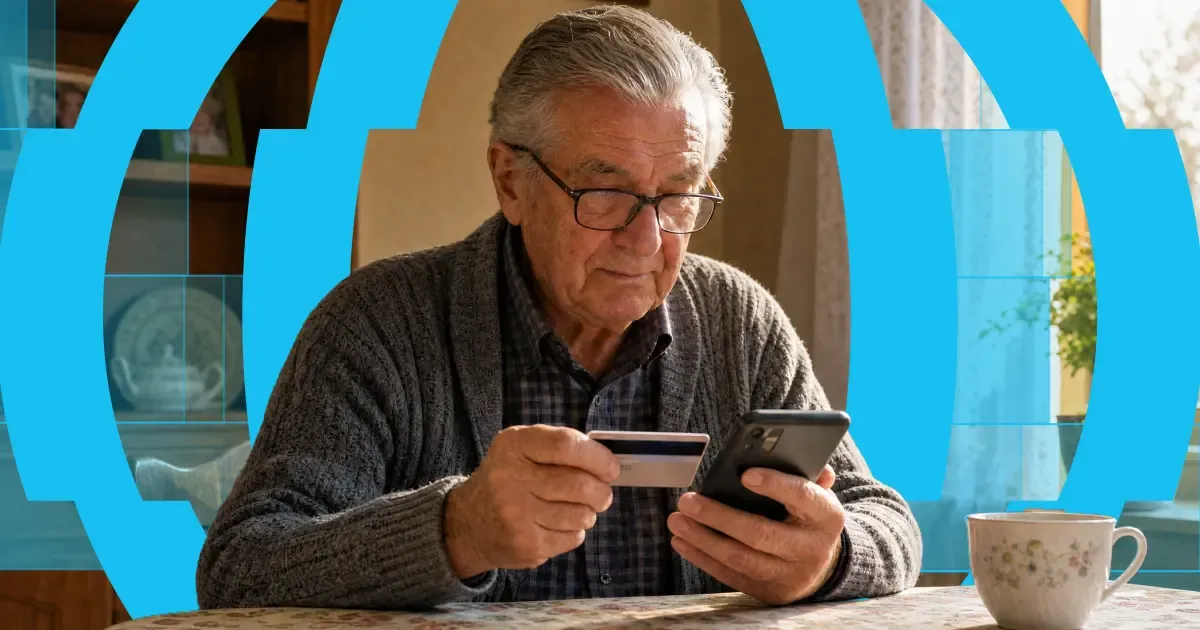
Here's the short answer: yes, you can use a credit card to get money into someone's bank account abroad. "Credit card to bank transfer" means exactly that — you fund the transfer with your credit card, and your recipient receives it in their bank account. Or on their card, in their wallet, or as cash to collect, depending on where they are.
The card and the bank account do different jobs. Your card pays for the transfer. A provider like Paysend then pays the money out through local systems on the other end. It's one flow, and it takes about a minute in the app.
One thing worth knowing before you start: a credit card is usually the most expensive way to fund a transfer. Some issuers treat it as a cash advance, and credit tends to carry higher payment fees than debit. You'll always see the full cost, exchange rate included, before you confirm anything. What follows is: the ways your money can arrive, what each one costs, how fast it gets there, and the cheaper routes worth checking first.

Her ay, Çek Cumhuriyeti'nde çalışan binlerce kişi maaşının bir kısmını eve gönderiyor — bunların çoğu, sınırın diğer tarafındaki ailesini destekleyen Ukraynalılar. Ve geleneksel yol, basit olması gereken bir işi zorlaştırıyor: IBAN ve SWIFT kodu isteyen banka havaleleri, para gittikten sonra ortaya çıkan ücretler ve evde birinin o paraya güvendiği günler süren bekleyişler.
Pavel Štich yıllardır okuyucularının tam olarak bu sorunu çözmesine yardımcı oluyor. Para transferi hizmetlerini, borsa aracı kurumlarını ve alternatif yatırımları karşılaştıran bağımsız bir Çek platformu olan Moneyo.cz'nin Kurucu Ortağı ve Finans Yayın Yönetmeni — ve aynı zamanda bir Paysend Elçisi, yani tavsiye ettiği her şeyi kendisi test ediyor, sade bir dille anlatıyor ve okuyucularına özel avantajlar sunuyor. Ona Moneyo'nun nasıl başladığını, kimlerin okuduğunu ve neden Paysend'i seçtiğini sorduk.


