How to Send Money to Your Child While They Are in School Abroad

Following the rise in COVID-19 vaccinations, international borders are beginning to open. In fact, The New York Times recently published a piece on countries that are currently allowing US citizens inside their borders, and it includes more than 2/3s of the world’s nations. And as these travel restrictions are loosening, many students are preparing to study abroad again.
Along with studying abroad comes the normal concern of parents at home. Many parents worry about being able to provide their children with money for tuition, housing, food and general expenses while they are overseas. Paysend is here to help. Our mission is to connect families across the globe, including when children are going to school overseas. Our money transfer solution helps when you need to send funds to your child on their study abroad trip.
In addition to how you’ll send money to your children while they attend school abroad, there are several other considerations to help you prepare.
Tips to prepare for studying abroad:
1. Prepare all paperwork ahead of time!
Paperwork can be a massive chore when planning your child’s international excursion. Traveling abroad often comes with endless documentation to fill out, submit and sign off.
Do not forget to reach out to your child to see if there is any outstanding paperwork that needs to be finalized. Additionally, you can always contact the school, study advisors, professors, and fellow parents.
Moving away from home can be stressful for a young adult. It can reassure your child to know that they are up to date with all paperwork, leaving them only to worry about settling into the new country and excelling in their program.
Important pieces of information to check on before leaving may include health insurance, budget forms, housing arrangements, and transportation!
2. Visit the doctor for a check-up.
Before traveling overseas, your child may need to visit the doctor to be up-to-date on any medications. If your child takes regular medication, ensure that they been prescribed enough for the length of the trip and keep a copy of their prescription handy in case you may need it.
You will also need to research whether your child will need any vaccinations before entering a country, which you can usually find on a government health website. For any minor medical issues or accidents, prepare a small first-aid kit with over-the-counter medications that are safe for travel.
Taking your child to see their doctor 4 to 6 weeks before they are due to leave will give you both peace of mind.
3. Encourage open communication!
Children tend to hide their dislike for school or friends from their parents, not wanting to be judged or to feel ashamed of their feelings. Dissatisfaction and frustration can often be a natural part of growing and learning. Share with your child with the tools they need to make informed decisions and trust in their choices.
Provide them with an understanding that every problem, however big or small, is solvable. If your child confides in you, be a sounding board for their issues before offering an opinion.
Offering alternative people that they can confide in, like a teacher or counselor, can also be beneficial and allow for more lines of communication for your child.
4. Help them find their purpose.
Children who choose to study abroad are often high achievers! Encouraging your child to step outside of their comfort zone will benefit them when forming new friendships and building life experiences.
Depending on your child’s age and stage of life, their passions may stem from a series of factors. Allowing them to discover their purpose and carve out their own goals is vital.
Apart from developing their language skills, your child should be encouraged to engage in their new adopted culture while abroad – encourage them to read books, watch films, and experiment with food and music to help inspire them!
How Paysend Can Help You Send Money to Your Child in School Overseas
Paysend allows you to send money from one bank account or card to another with the click of a button. Operating in over 91 countries worldwide, Paysend has grown exponentially since 2017, with a customer base of 4 million users and counting!
We work in partnership with Visa, MasterCard, UnionPay, Alipay and other traditional banks. Paysend guarantees quick transactions, equipping customers with several different currencies to hold in a multi-currency wallet, allowing you to spend money internationally like a local. Paysend also ensures that you can make withdrawals from ATMs worldwide for low fees.
At Paysend, we are proud to help support the next generation who are studying and working abroad over the globe. Our mission is to help connect family members by creating money transfer solutions that are faster, simpler, and more affordable for all!
Download the Paysend app* from the App Store or Google Play now to transfer funds simply & affordably to your child studying abroad!
*Standard data rates from your wireless service provider may apply.
Son Yazılar
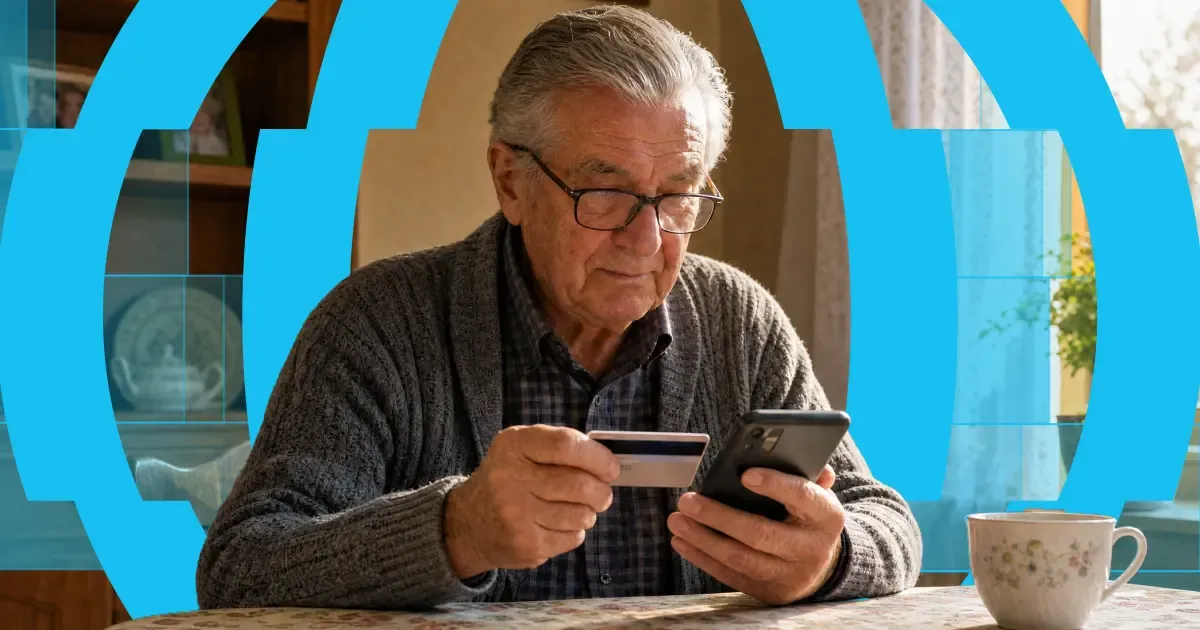
Here's the short answer: yes, you can use a credit card to get money into someone's bank account abroad. "Credit card to bank transfer" means exactly that — you fund the transfer with your credit card, and your recipient receives it in their bank account. Or on their card, in their wallet, or as cash to collect, depending on where they are.
The card and the bank account do different jobs. Your card pays for the transfer. A provider like Paysend then pays the money out through local systems on the other end. It's one flow, and it takes about a minute in the app.
One thing worth knowing before you start: a credit card is usually the most expensive way to fund a transfer. Some issuers treat it as a cash advance, and credit tends to carry higher payment fees than debit. You'll always see the full cost, exchange rate included, before you confirm anything. What follows is: the ways your money can arrive, what each one costs, how fast it gets there, and the cheaper routes worth checking first.

Her ay, Çek Cumhuriyeti'nde çalışan binlerce kişi maaşının bir kısmını eve gönderiyor — bunların çoğu, sınırın diğer tarafındaki ailesini destekleyen Ukraynalılar. Ve geleneksel yol, basit olması gereken bir işi zorlaştırıyor: IBAN ve SWIFT kodu isteyen banka havaleleri, para gittikten sonra ortaya çıkan ücretler ve evde birinin o paraya güvendiği günler süren bekleyişler.
Pavel Štich yıllardır okuyucularının tam olarak bu sorunu çözmesine yardımcı oluyor. Para transferi hizmetlerini, borsa aracı kurumlarını ve alternatif yatırımları karşılaştıran bağımsız bir Çek platformu olan Moneyo.cz'nin Kurucu Ortağı ve Finans Yayın Yönetmeni — ve aynı zamanda bir Paysend Elçisi, yani tavsiye ettiği her şeyi kendisi test ediyor, sade bir dille anlatıyor ve okuyucularına özel avantajlar sunuyor. Ona Moneyo'nun nasıl başladığını, kimlerin okuduğunu ve neden Paysend'i seçtiğini sorduk.


