What are SEPA transfers?

We understand that some of you have experienced challenges when attempting to fund money transfers using your bank cards.
In light of this, we’d like to introduce a reliable alternative:
Make payments via SEPA (Single Euro Payments Area)
Why choose SEPA?
Secure and Reliable
SEPA is a reliable payment option used in Europe.
Lower Decline Rates
Compared to card transactions, SEPA transfers experience lower decline rates.
Fast Transactions
SEPA is instant 75% of the time and is as quick as card payments.
Fee-Free
By choosing to fund your transfers via SEPA using Paysend, you can benefit from a money transfer free of charge.
How to use SEPA?
Follow these simple steps:
- Open your Paysend app or website and click How to pay your transfer. Select SEPA instant & regular transfer options.
- Set up a payment option through your internet or mobile banking.
- Deposit the exact amount you wish to send your recipient with the reference code into the Paysend EUR account. This amount will be the one transferred straight away.
- 75% of the time, transfers are successful within a few minutes.
Останні дописи
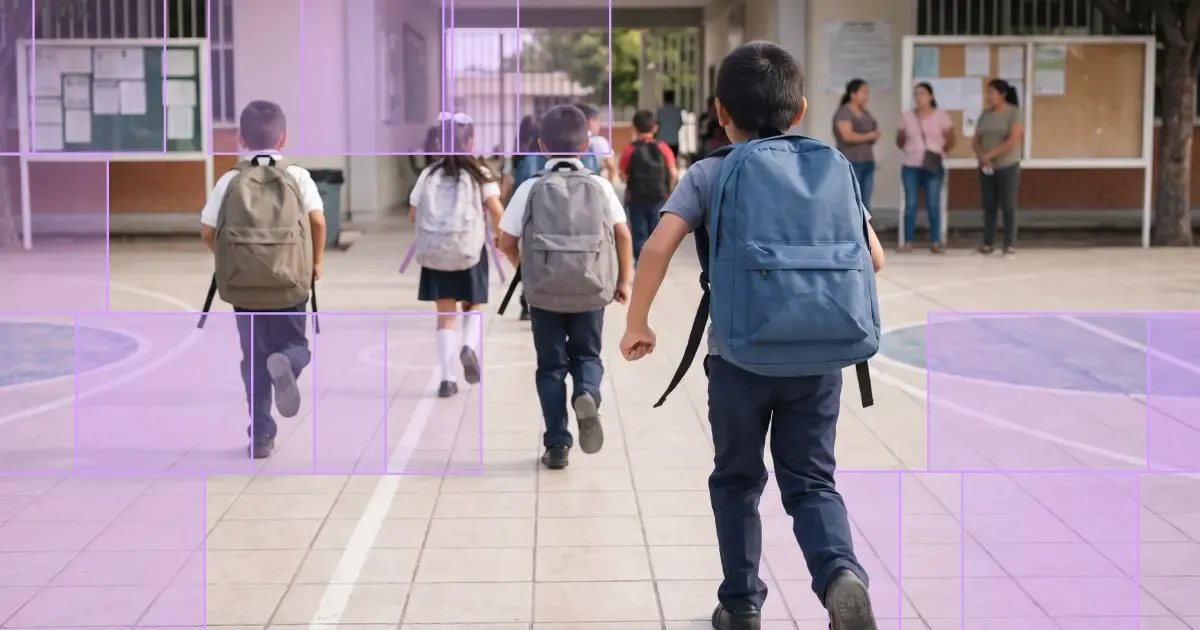
Початок навчального року — один із тих періодів, коли особливо гостро відчуваєш відстань від близьких. Це також один із найбільш витратних періодів року: шкільне приладдя, форма, навчання та повсякденні витрати — усе це потрібно оплачувати приблизно в один час. Багато людей допомагають рідним за кордоном покривати ці витрати, надсилаючи їм гроші. Щоб допомогти з такими витратами, нові клієнти Paysend можуть здійснити перший переказ без комісії та за вигіднішим курсом у період підготовки до нового навчального року.
Незалежно від того, чи допомагаєте ви оплачувати навчання, чи покриваєте повсякденні витрати, міжнародний переказ дає змогу підтримати близьких саме тоді, коли це особливо важливо. З Paysend можна надсилати гроші до понад 170 країн зручним способом — нижче розповідаємо, як безкоштовно зареєструватися та скористатися пропозицією.

Щомісяця тисячі людей, які працюють у Чехії, надсилають частину своєї зарплати додому. Багато з них — українці, які підтримують свої родини в Україні. А звичний спосіб переказувати гроші ускладнює те, що мало б бути простим: банківські перекази, для яких потрібні IBAN і SWIFT-код, комісії, про які стає відомо лише після відправлення грошей, і кілька днів очікування, поки рідні вдома розраховують на цей переказ.
Павел Штіх уже кілька років допомагає своїм читачам розв'язувати саме цю проблему. Він співзасновник і головний фінансовий редактор Moneyo.cz — незалежної чеської платформи, яка порівнює сервіси грошових переказів і брокерів та розповідає про альтернативні інвестиції, — а також амбассадор Paysend. Він особисто тестує все, що рекомендує, пояснює складні речі простою мовою та пропонує своїм читачам ексклюзивні бонуси. Ми запитали його, як з'явився Moneyo, хто його читає і чому він обрав Paysend.


