Harvest Festivals Around the World: How Cultures Celebrate Food and Family

As autumn arrives, communities around the globe celebrate the harvest season — a time to give thanks for food, family, and abundance. From Asia to Europe to the Americas, harvest festivals highlight the universal importance of gratitude and togetherness.
What are harvest festivals?
Rooted in ancient agricultural traditions, harvest festivals mark the end of the growing season. They’re an opportunity to share meals, honor ancestors, and celebrate community.
A brief history of harvest celebrations
Across cultures, harvest festivals have always combined food, faith, and family:
- China & Vietnam: The Mid-Autumn Festival celebrates the full moon with mooncakes, lanterns, and family reunions.
- South Korea: Chuseok, or Korean Thanksgiving, honors ancestors with feasts and rituals.
- India: Navratri and Durga Puja combine worship, dance, and communal feasts.
- Germany: Oktoberfest started as a wedding celebration and grew into the world’s biggest folk festival.
- Canada & U.S.: Thanksgiving focuses on gratitude, food, and family gatherings.
How global communities celebrate abroad
Diaspora communities recreate harvest traditions wherever they live — from hosting feasts and dances to sharing foods like mooncakes, tamales, or pumpkin pie. Many also send money back home to help families prepare for celebrations.
Staying connected: Send money worldwide, simply and securely
Wherever your family calls home, Paysend makes it easy to send money directly to bank accounts, cards, or wallets across 100+ countries. With low fees and fast delivery, you can be part of harvest celebrations anywhere in the world.
Celebrating gratitude across borders
Harvest festivals remind us that no matter where we are, food and family connect us all. This season, if you’re sharing support across borders, do it the easy way — with Paysend.
Останні дописи
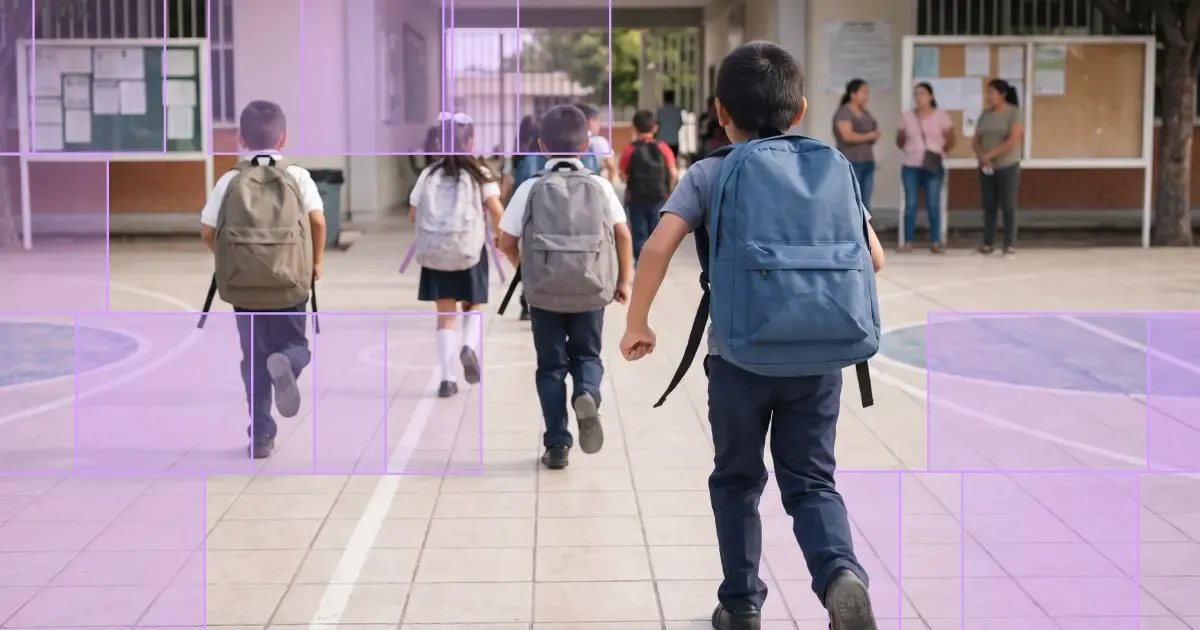
Початок навчального року — один із тих періодів, коли особливо гостро відчуваєш відстань від близьких. Це також один із найбільш витратних періодів року: шкільне приладдя, форма, навчання та повсякденні витрати — усе це потрібно оплачувати приблизно в один час. Багато людей допомагають рідним за кордоном покривати ці витрати, надсилаючи їм гроші. Щоб допомогти з такими витратами, нові клієнти Paysend можуть здійснити перший переказ без комісії та за вигіднішим курсом у період підготовки до нового навчального року.
Незалежно від того, чи допомагаєте ви оплачувати навчання, чи покриваєте повсякденні витрати, міжнародний переказ дає змогу підтримати близьких саме тоді, коли це особливо важливо. З Paysend можна надсилати гроші до понад 170 країн зручним способом — нижче розповідаємо, як безкоштовно зареєструватися та скористатися пропозицією.

Щомісяця тисячі людей, які працюють у Чехії, надсилають частину своєї зарплати додому. Багато з них — українці, які підтримують свої родини в Україні. А звичний спосіб переказувати гроші ускладнює те, що мало б бути простим: банківські перекази, для яких потрібні IBAN і SWIFT-код, комісії, про які стає відомо лише після відправлення грошей, і кілька днів очікування, поки рідні вдома розраховують на цей переказ.
Павел Штіх уже кілька років допомагає своїм читачам розв'язувати саме цю проблему. Він співзасновник і головний фінансовий редактор Moneyo.cz — незалежної чеської платформи, яка порівнює сервіси грошових переказів і брокерів та розповідає про альтернативні інвестиції, — а також амбассадор Paysend. Він особисто тестує все, що рекомендує, пояснює складні речі простою мовою та пропонує своїм читачам ексклюзивні бонуси. Ми запитали його, як з'явився Moneyo, хто його читає і чому він обрав Paysend.


