How to Say Good Luck in French

Whether you’re moving abroad, going on holiday, or sending encouragement to someone from afar, knowing how to say “good luck” in another language is a thoughtful way to connect.
So let’s get right to it; French for good luck is “Bonne chance”. But it isn’t pronounced as you’d think…
How do you say good luck in French?
The most common phrase is:
“Bonne chance” (pronounced: bun shahnss)
Literally translates to: “Good luck”
It’s versatile and widely used – whether someone’s sitting an exam, going to a job interview, or simply facing a big day ahead. It’s polite, friendly, and shows you’re rooting for them.
Another phrase you might hear is:
“Je croise les doigts” (zhuh krwahz lay dwah) – “I’m crossing my fingers.”
It’s a more casual, expressive way to wish someone luck, and can be used on its own or after bonne chance for extra flair.
Why phrases like this matter
Small phrases can make a big difference — especially if you’re moving to a new country or supporting loved ones who have. If you're visiting France or helping someone start a new chapter there, even a short sentence like bonne chance can help build a real connection.
It’s not about mastering a whole language — it’s about showing you care. And when you're sending money across borders, those moments of thoughtfulness go hand in hand with support.
How to say good luck in Spanish
Spanish is one of the most spoken languages globally, and knowing a few key phrases is helpful whether you’re in Spain, Latin America or the US.
The phrase you’re looking for is:
“Buena suerte” (pronounced: BWEH-nah SWER-teh)
Translation: “Good luck”
It’s simple and widely understood. You might also hear:
“¡Te deseo mucha suerte!” — “I wish you lots of luck.”
Perfect for big milestones, important days, or just to let someone know you’re cheering them on from afar.
How to say good luck in Irish
Irish Gaelic isn’t used in everyday conversation by most people in Ireland, but it still holds cultural weight — especially when it comes to heartfelt messages.
To wish someone good luck in Irish, say:
“Go n-éirí an t-ádh leat” (pronounced: guh ny-ree on taw lat)
Meaning: “May luck rise with you”
It’s often heard before school exams, weddings or new jobs — and adds a personal, meaningful touch to your well-wishes.
And wherever you are in the world, you’re never far from an Irish bar or community — a reminder of how widely the Irish diaspora spreads. A phrase like this is a nod to culture, community, and shared roots.
A few words go a long way
When you’re abroad or connecting across borders, simple phrases like “good luck” help build bridges. Whether you're travelling, learning a few basics for your next trip, or sending support through a money transfer, a familiar word in the right language adds warmth to the moment.
So next time someone needs a boost — from Paris to Barcelona to Cork — you’ll be ready.
Bonne chance. Buena suerte. Go n-éirí an t-ádh leat.
And if you're sending more than words? We’ve got you covered too.
Don’t miss our related blogs:
Останні дописи
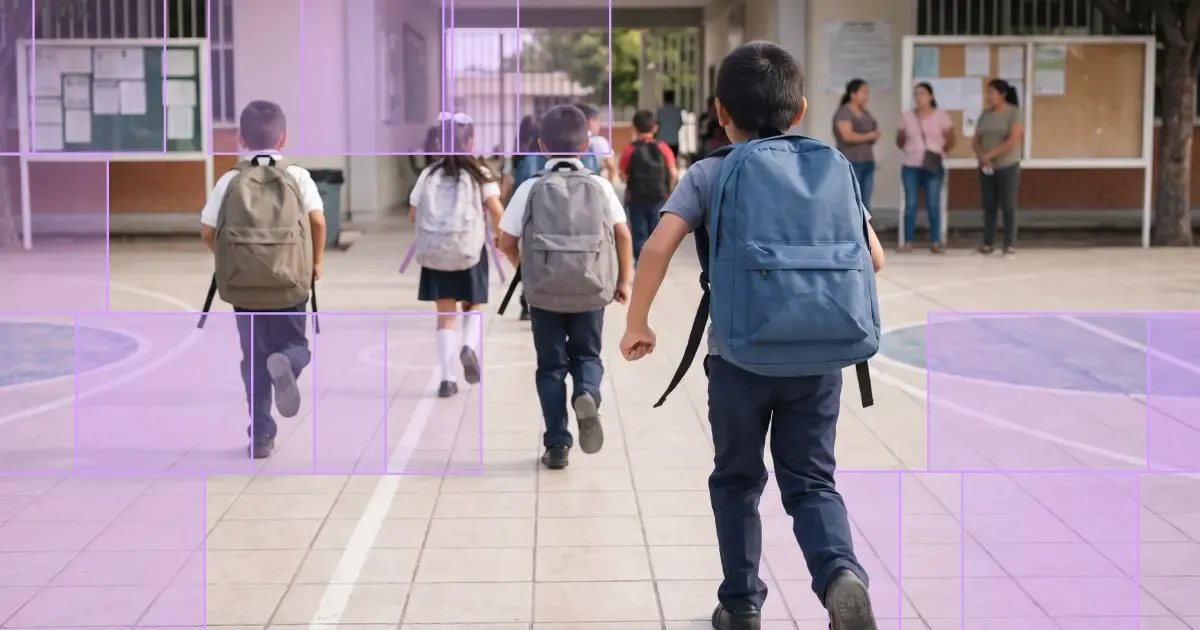
Початок навчального року — один із тих періодів, коли особливо гостро відчуваєш відстань від близьких. Це також один із найбільш витратних періодів року: шкільне приладдя, форма, навчання та повсякденні витрати — усе це потрібно оплачувати приблизно в один час. Багато людей допомагають рідним за кордоном покривати ці витрати, надсилаючи їм гроші. Щоб допомогти з такими витратами, нові клієнти Paysend можуть здійснити перший переказ без комісії та за вигіднішим курсом у період підготовки до нового навчального року.
Незалежно від того, чи допомагаєте ви оплачувати навчання, чи покриваєте повсякденні витрати, міжнародний переказ дає змогу підтримати близьких саме тоді, коли це особливо важливо. З Paysend можна надсилати гроші до понад 170 країн зручним способом — нижче розповідаємо, як безкоштовно зареєструватися та скористатися пропозицією.

Щомісяця тисячі людей, які працюють у Чехії, надсилають частину своєї зарплати додому. Багато з них — українці, які підтримують свої родини в Україні. А звичний спосіб переказувати гроші ускладнює те, що мало б бути простим: банківські перекази, для яких потрібні IBAN і SWIFT-код, комісії, про які стає відомо лише після відправлення грошей, і кілька днів очікування, поки рідні вдома розраховують на цей переказ.
Павел Штіх уже кілька років допомагає своїм читачам розв'язувати саме цю проблему. Він співзасновник і головний фінансовий редактор Moneyo.cz — незалежної чеської платформи, яка порівнює сервіси грошових переказів і брокерів та розповідає про альтернативні інвестиції, — а також амбассадор Paysend. Він особисто тестує все, що рекомендує, пояснює складні речі простою мовою та пропонує своїм читачам ексклюзивні бонуси. Ми запитали його, як з'явився Moneyo, хто його читає і чому він обрав Paysend.


