Transfer money from the US to Canada with Paysend

Since the pandemic began, many countries have closed their borders or have discouraged international travel in order to keep residents safe and minimize risk of COVID-19 exposure. Despite many not being able to travel to see loved ones living abroad, our team is on a mission to create a world without borders through digital money.
That’s why we launched our international money transfer services in the US in the midst of the pandemic, allowing millions of residents, immigrants and expats living in the states to remain connected with friends and family abroad.
Expanding on our launch, we’re now focusing efforts on a border a little closer to home for those in the US – Canada.
Paysend allows US consumers to send money to Canada
The US-Canadian border is the world’s longest international boundary between two countries, and Paysend is breaking down its barrier.
We’re excited to offer US consumers the ability to electronically send money to friends and family living in Canada and help commerce flow more freely across North America.
How to transfer money from the US to Canada
Here at Paysend, we make international money transfers easy. To get started, you’ll simply need to download the Paysend app* onto your smartphone device, create an account and enter the amount of money you wish to send to your recipient of choice.
After you click send, your recipient will receive an email verification from our partner Interac. Once the email is confirmed, you will then receive a security code, which will also be available on the Paysend app, to share with your recipient once the transfer is sent.
Once complete, your money will arrive in CAD to your recipient’s bank account with any of the major Canadian financial institutions via Interac in close to real-time.
Ready to start sending money to your Canadian loved ones? Download the Paysend mobile app from the App Store or Google Play today.
*Standard data rates from your wireless service provider may apply.
Останні дописи
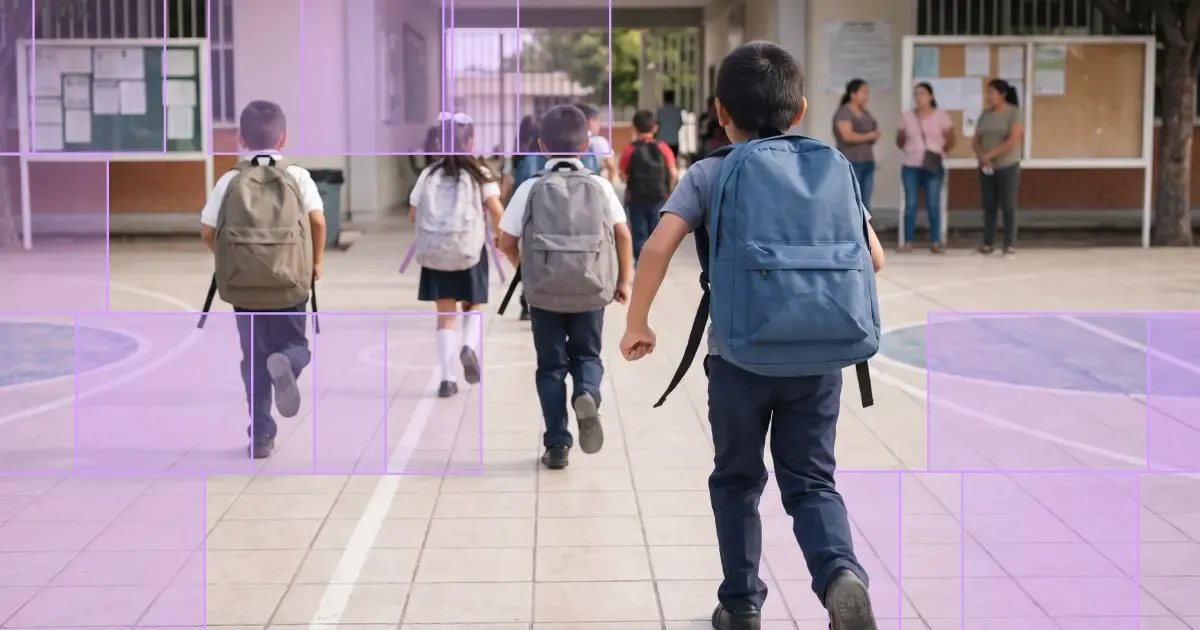
Початок навчального року — один із тих періодів, коли особливо гостро відчуваєш відстань від близьких. Це також один із найбільш витратних періодів року: шкільне приладдя, форма, навчання та повсякденні витрати — усе це потрібно оплачувати приблизно в один час. Багато людей допомагають рідним за кордоном покривати ці витрати, надсилаючи їм гроші. Щоб допомогти з такими витратами, нові клієнти Paysend можуть здійснити перший переказ без комісії та за вигіднішим курсом у період підготовки до нового навчального року.
Незалежно від того, чи допомагаєте ви оплачувати навчання, чи покриваєте повсякденні витрати, міжнародний переказ дає змогу підтримати близьких саме тоді, коли це особливо важливо. З Paysend можна надсилати гроші до понад 170 країн зручним способом — нижче розповідаємо, як безкоштовно зареєструватися та скористатися пропозицією.

Щомісяця тисячі людей, які працюють у Чехії, надсилають частину своєї зарплати додому. Багато з них — українці, які підтримують свої родини в Україні. А звичний спосіб переказувати гроші ускладнює те, що мало б бути простим: банківські перекази, для яких потрібні IBAN і SWIFT-код, комісії, про які стає відомо лише після відправлення грошей, і кілька днів очікування, поки рідні вдома розраховують на цей переказ.
Павел Штіх уже кілька років допомагає своїм читачам розв'язувати саме цю проблему. Він співзасновник і головний фінансовий редактор Moneyo.cz — незалежної чеської платформи, яка порівнює сервіси грошових переказів і брокерів та розповідає про альтернативні інвестиції, — а також амбассадор Paysend. Він особисто тестує все, що рекомендує, пояснює складні речі простою мовою та пропонує своїм читачам ексклюзивні бонуси. Ми запитали його, як з'явився Moneyo, хто його читає і чому він обрав Paysend.


