Inside the India & Nepal Corridors: What Our Users Are Telling Us - By Paysend’s South Asia Regional Lead
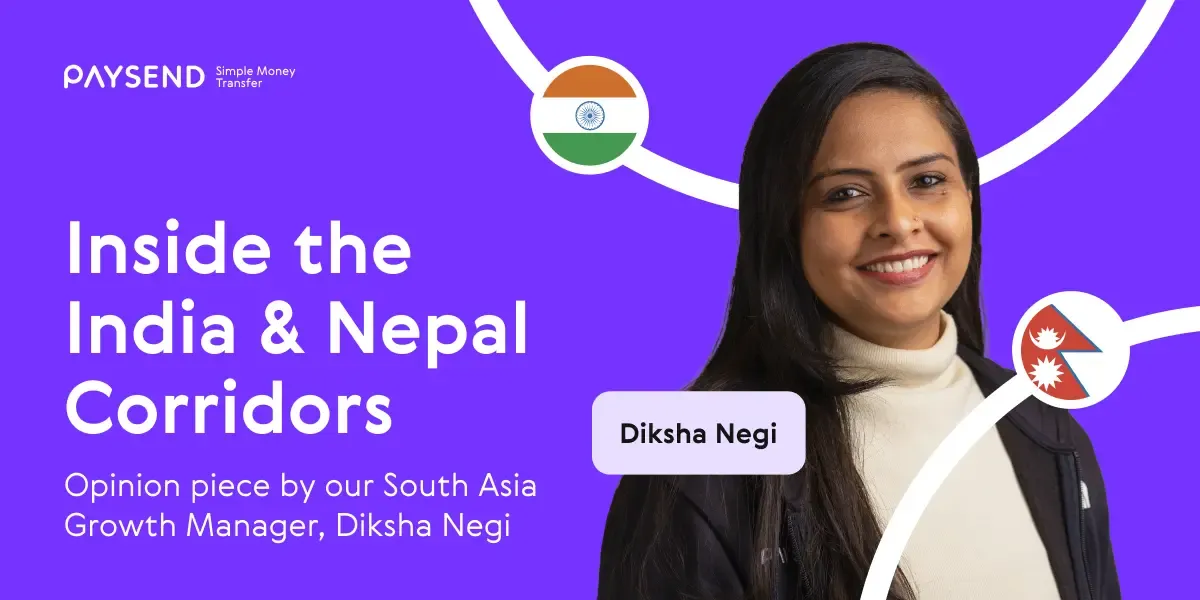
Few regions illustrate the power of remittances better than India and Nepal.
In India and Nepal corridors, remittances are not a discretionary financial activity — they are part of daily life. What we see consistently is that users arrive with high intent and very little patience for friction. It's critical to have a fast, clear, and trustworthy user experience.
And over the past year, we’ve seen clear patterns emerge from our growing user base.
What We’re Seeing on the Ground
First, usage is rising. Paysend is experiencing strong growth in monthly active users across India and Nepal — a sign that people are actively choosing digital, app-based transfers over slower or more expensive alternatives.
Second, seasonality matters:
- Transfers spike around school terms, festivals, and major holidays
- There’s consistent demand at the start of the year, when families plan budgets and expenses
- Speed becomes especially critical during festivals and emergencies
Third, mobile-first behaviour is the norm. Users expect transfers to work instantly, clearly, and without the need for branches or paperwork. If it’s not simple, they move on.
Why Paysend Fits These Corridors
What’s driving adoption isn’t just cost — it’s confidence:
- Confidence that money will arrive quickly
- Confidence in transparent exchange rates
- Confidence that the app will work when it’s most needed
For families in India and Nepal, remittances are about stability. Paysend’s role is to support that stability — quietly, reliably, and at scale.
Looking Ahead
As these corridors continue to grow, our focus remains the same: listen closely to user behaviour, remove friction where it matters most, and build experiences that people trust with something deeply personal — supporting their families.
And for those sending regularly, we make sure to give back — with offers, promotions, and giveaways throughout the year.
Follow @Paysend on Instagram to stay in the loop.
Because behind every transfer is a family — and that’s what drives everything we do.
The educational materials on this site are provided for informational purposes only and do not reflect the opinions of Central Bank of Kansas City, Member FDIC. Educational materials may contain links to content on third-party websites which are provided for your convenience; please note that linked sites may have a privacy and security policy different from our own, and we cannot attest to the accuracy of information. The Central Bank of Kansas City does not guarantee nor expressly endorse any particular business, product, service, or third-party content.
Останні дописи
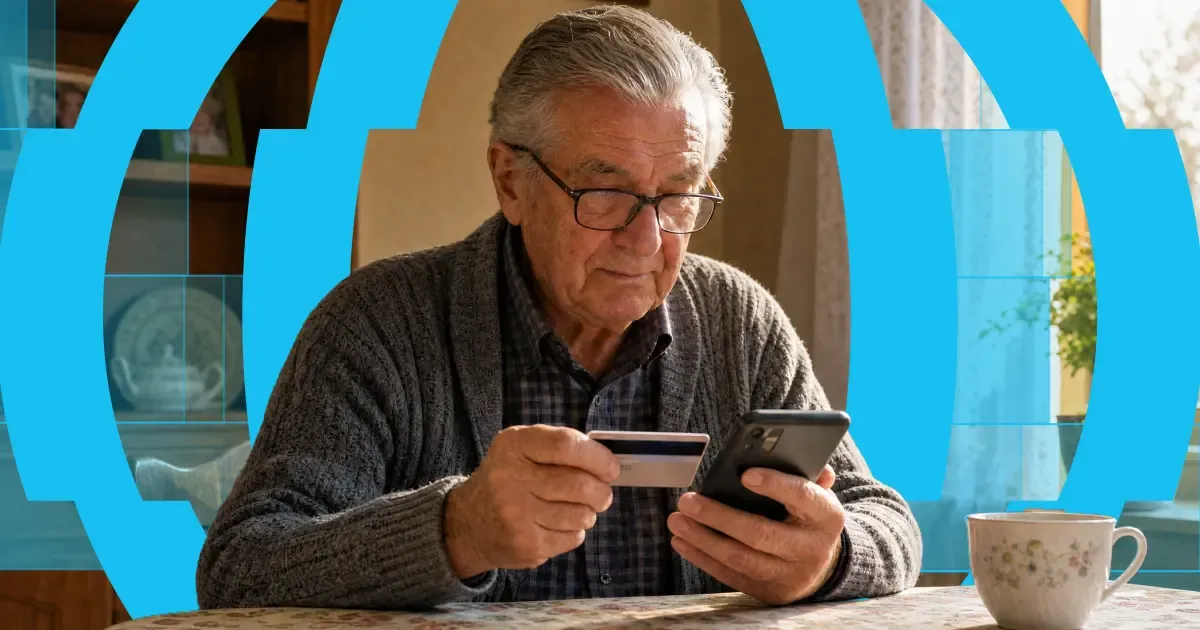
Here's the short answer: yes, you can use a credit card to get money into someone's bank account abroad. "Credit card to bank transfer" means exactly that — you fund the transfer with your credit card, and your recipient receives it in their bank account. Or on their card, in their wallet, or as cash to collect, depending on where they are.
The card and the bank account do different jobs. Your card pays for the transfer. A provider like Paysend then pays the money out through local systems on the other end. It's one flow, and it takes about a minute in the app.
One thing worth knowing before you start: a credit card is usually the most expensive way to fund a transfer. Some issuers treat it as a cash advance, and credit tends to carry higher payment fees than debit. You'll always see the full cost, exchange rate included, before you confirm anything. What follows is: the ways your money can arrive, what each one costs, how fast it gets there, and the cheaper routes worth checking first.

Щомісяця тисячі людей, які працюють у Чехії, надсилають частину своєї зарплати додому. Багато з них — українці, які підтримують свої родини в Україні. А звичний спосіб переказувати гроші ускладнює те, що мало б бути простим: банківські перекази, для яких потрібні IBAN і SWIFT-код, комісії, про які стає відомо лише після відправлення грошей, і кілька днів очікування, поки рідні вдома розраховують на цей переказ.
Павел Штіх уже кілька років допомагає своїм читачам розв'язувати саме цю проблему. Він співзасновник і головний фінансовий редактор Moneyo.cz — незалежної чеської платформи, яка порівнює сервіси грошових переказів і брокерів та розповідає про альтернативні інвестиції, — а також амбассадор Paysend. Він особисто тестує все, що рекомендує, пояснює складні речі простою мовою та пропонує своїм читачам ексклюзивні бонуси. Ми запитали його, як з'явився Moneyo, хто його читає і чому він обрав Paysend.


