How to Say “Start” in Spanish — And When to Use It

If you’re learning Spanish or preparing for a trip to a Spanish-speaking country, one word you’ll want to get to grips with early on is “start.”
So let’s begin there:
The most common translation for “start” in Spanish is empezar.
It’s a verb that means “to start” or “to begin.” For example:
Vamos a empezar la clase. “We’re going to start the class.”
You might also see comenzar, which is a near synonym and used in much the same way. Depending on the country or region, one may be more common than the other – empezar is generally more widely used in everyday speech, while comenzar can sound slightly more formal or poetic.
Empezar vs Comenzar — What’s the difference?
Both verbs are regular (except empezar is a stem-changer in the present tense: empiezo, empiezas…) and mean essentially the same thing. In most contexts, they’re interchangeable:
- ¿A qué hora empieza la película? – What time does the movie start?
- La conferencia comenzará a las nueve. – The conference will start at nine.
You can think of it like the English difference between “start” and “commence” — same meaning, slightly different tone.
Other ways to say “Start” in Spanish
Depending on what you’re starting – an object, a machine, or an event – Spanish gives you a few other words too:
- Arrancar – to start a machine, engine or car
Arranca el coche. – Start the car. - Iniciar – to initiate something (formal, tech-related or procedural)
Inicia sesión aquí. – Start the session / Log in here. - Poner en marcha – to set something in motion (can be used figuratively)
Vamos a poner en marcha el proyecto. — Let’s get the project started.
Everyday situations where you’ll use “Start”
Whether you're planning a holiday in Spain, moving to Mexico, or just brushing up for a conversation class, here are a few real-life uses of "start":
- At school or work
¿Cuándo empieza la reunión? – When does the meeting start? - At the gym
Empecé una nueva rutina de ejercicios. – I started a new workout routine. - While travelling
El tour comienza a las 10 de la mañana. – The tour starts at 10 a.m. - With friends or family
Vamos a empezar la cena. – Let’s start dinner.
Bonus: How to say “I’m starting to…” in Spanish
If you want to express something like “I’m starting to learn Spanish” — easy! Use “empezar a infinitive”:
- Estoy empezando a aprender español. – I’m starting to learn Spanish.
- Empecé a trabajar aquí el año pasado. – I started working here last year.
Whether you’re starting a journey, a new habit, or a new chapter abroad, empezar is one of the most useful verbs you can add to your Spanish toolkit.
To recap:
- The main word for “start” is empezar
- Comenzar is also common, and slightly more formal
- You can also use arrancar (for cars), iniciar (for digital or formal processes), and poner en marcha (to get something going)
Keep learning, and start your Spanish the right way – with the right words.
Sending money? Do it with Paysend, and download the app for free.
Related posts:
Останні дописи
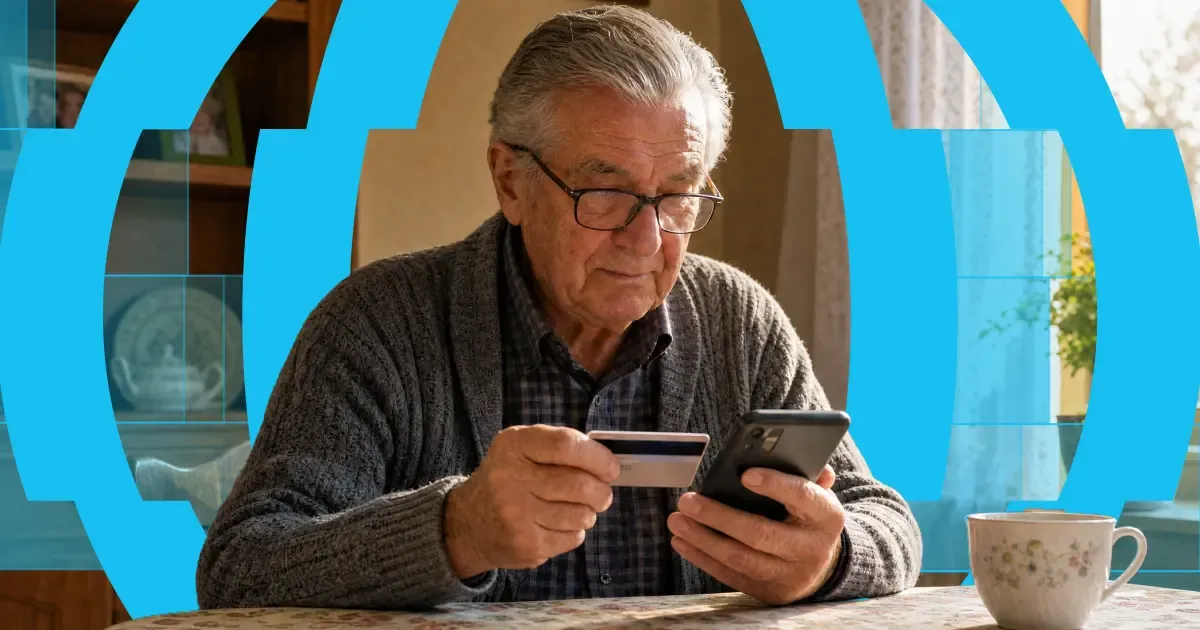
Here's the short answer: yes, you can use a credit card to get money into someone's bank account abroad. "Credit card to bank transfer" means exactly that — you fund the transfer with your credit card, and your recipient receives it in their bank account. Or on their card, in their wallet, or as cash to collect, depending on where they are.
The card and the bank account do different jobs. Your card pays for the transfer. A provider like Paysend then pays the money out through local systems on the other end. It's one flow, and it takes about a minute in the app.
One thing worth knowing before you start: a credit card is usually the most expensive way to fund a transfer. Some issuers treat it as a cash advance, and credit tends to carry higher payment fees than debit. You'll always see the full cost, exchange rate included, before you confirm anything. What follows is: the ways your money can arrive, what each one costs, how fast it gets there, and the cheaper routes worth checking first.

Щомісяця тисячі людей, які працюють у Чехії, надсилають частину своєї зарплати додому. Багато з них — українці, які підтримують свої родини в Україні. А звичний спосіб переказувати гроші ускладнює те, що мало б бути простим: банківські перекази, для яких потрібні IBAN і SWIFT-код, комісії, про які стає відомо лише після відправлення грошей, і кілька днів очікування, поки рідні вдома розраховують на цей переказ.
Павел Штіх уже кілька років допомагає своїм читачам розв'язувати саме цю проблему. Він співзасновник і головний фінансовий редактор Moneyo.cz — незалежної чеської платформи, яка порівнює сервіси грошових переказів і брокерів та розповідає про альтернативні інвестиції, — а також амбассадор Paysend. Він особисто тестує все, що рекомендує, пояснює складні речі простою мовою та пропонує своїм читачам ексклюзивні бонуси. Ми запитали його, як з'явився Moneyo, хто його читає і чому він обрав Paysend.


