The Gig Economy Is Here to Stay — But Can Payments Keep Up?
Hello, I’m Danny, and I head up EMEA for Paysend Enterprise’s Commercial Team.
If there’s one trend that’s reshaping work in our regions, it’s the gig economy. From food delivery riders in London, to freelance designers in Berlin, to taskers in Lagos, flexible, on-demand work is changing how millions earn a living.
The numbers tell the story.
Europe’s gig economy is growing at more than 15% a year. In Africa, mobile-first platforms are exploding as smartphone adoption rises. Millions of people are now relying on platform work, often across borders, as a primary income source.
But here’s the catch.
Getting paid is still a pain point. Workers want fast, flexible payouts, not waiting a week or more. They want options that fit their lives: some prefer money sent straight to their bank card, others use mobile wallets. And for the platforms themselves, handling this diversity across borders, currencies, and regulations is a constant challenge.
That’s where Paysend helps.
We specialise in instant, cross-border payouts. Through Visa Direct, Mastercard Send, and local schemes, we make it possible for platforms to pay workers directly to their card or wallet, often within minutes, 24/7. No need for multiple local bank accounts, no endless integrations. Just one partnership that scales with you.
Think about the impact:
A delivery rider in Madrid cashing out earnings instantly after a shift.
A gig worker in Nairobi receives wages directly to their mobile wallet, without delay.
A creative freelancer in Paris getting paid the same day by an international client.
When workers are paid quickly and reliably, they stay engaged. And when platforms can simplify their payout model, they scale faster and with fewer headaches.
The gig economy isn’t slowing down, and neither should your payments. Let’s re-think how payouts can power the future of work.
Останні дописи
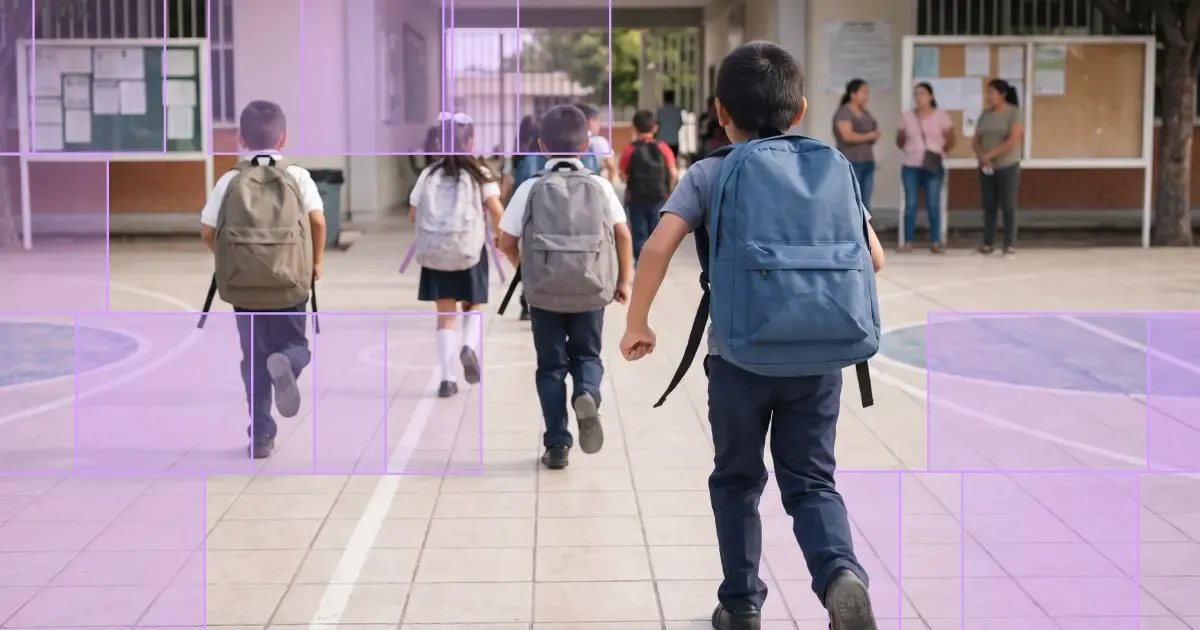
Початок навчального року — один із тих періодів, коли особливо гостро відчуваєш відстань від близьких. Це також один із найбільш витратних періодів року: шкільне приладдя, форма, навчання та повсякденні витрати — усе це потрібно оплачувати приблизно в один час. Багато людей допомагають рідним за кордоном покривати ці витрати, надсилаючи їм гроші. Щоб допомогти з такими витратами, нові клієнти Paysend можуть здійснити перший переказ без комісії та за вигіднішим курсом у період підготовки до нового навчального року.
Незалежно від того, чи допомагаєте ви оплачувати навчання, чи покриваєте повсякденні витрати, міжнародний переказ дає змогу підтримати близьких саме тоді, коли це особливо важливо. З Paysend можна надсилати гроші до понад 170 країн зручним способом — нижче розповідаємо, як безкоштовно зареєструватися та скористатися пропозицією.

Щомісяця тисячі людей, які працюють у Чехії, надсилають частину своєї зарплати додому. Багато з них — українці, які підтримують свої родини в Україні. А звичний спосіб переказувати гроші ускладнює те, що мало б бути простим: банківські перекази, для яких потрібні IBAN і SWIFT-код, комісії, про які стає відомо лише після відправлення грошей, і кілька днів очікування, поки рідні вдома розраховують на цей переказ.
Павел Штіх уже кілька років допомагає своїм читачам розв'язувати саме цю проблему. Він співзасновник і головний фінансовий редактор Moneyo.cz — незалежної чеської платформи, яка порівнює сервіси грошових переказів і брокерів та розповідає про альтернативні інвестиції, — а також амбассадор Paysend. Він особисто тестує все, що рекомендує, пояснює складні речі простою мовою та пропонує своїм читачам ексклюзивні бонуси. Ми запитали його, як з'явився Moneyo, хто його читає і чому він обрав Paysend.


