How to send money to over 170 countries worldwide

Paysend is transforming how people all over the globe manage their everyday finances. We help people stay connected and transfer money to their friends, family, and loved ones.
That’s why we’re hugely excited to have added 50 new countries to our payments network since the start of 2022. Our 7 million customers can now send money to over 170 countries and benefit from lower fixed fees, upfront exchange rates, and faster transfer speeds.
If you are looking for a fast and effective way to send money across borders then look no further than Paysend.
To get you started, here’s a step-by-step guide to setting up your Paysend account and making your first transfer:
How to sign up to Paysend
- Click the Sign-up button
- Type in your mobile phone number (Country code).
- Verify your account using the code sent straight to your mobile, or if on the Paysend App, create a four-digit passcode for additional security
- Fill out your personal information (First and last name, date of birth, email)
- Enter your residential address
How to make your first transfer with Paysend
- Select Send Money
- Choose the receiving country (In some countries, you can select from multiple receiving currencies)
- Enter the amount you wish to send
- Enter the recipient card, bank, or wallet details and press Continue
- If on the app, select how you want to transfer money (Choose from available options):
- To bank account
- To card account - Select how you want to pay (Choose from available options)
- Follow the further instructions on adding the chosen funding option
- Click Confirm & Send
Paysend continues to deliver more payment options for our customers, and with a new and improved onboarding service, you can make your first transaction in less than 5 minutes..
Below are notable new countries we’ve added to our payments network in 2022. Check our full payments network for your sending country here:
- Antigua and Barbuda
- The Bahamas
- Bahrain
- Barbados
- Belarus
- Bermuda
- Botswana
- Brunei
- The Cayman Islands
- Chad
- Comoros
- The Democratic Republic of the Congo
- The Cook Islands
- The Cote D’Ivoire
- Croatia, East Timor
- Ecuador
- Egypt
- Equatorial Guinea
- Ethiopia
- Federated States of Micronesia
- The Gambia
- Grenada
- Guam
- Guinea
- Guinea-Bissau
- Kiribati
- Lebanon
- Lesotho
- Liberia
- Liechtenstein
- Macao
- Macedonia
- The Maldives
- Montenegro
- Nigeria
- Oman
- Panama
- Papua New Guinea
- Puerto Rico
- Saint Kitts and Nevis
- Saint Lucia
- Saint Vincent and the Grenadines
- Samoa
- Saudi Arabia
- Serbia
- Seychelles
- Sierra Leone
- The Solomon Islands
- Somalia
- Taiwan Province
- Trinidad and Tobago
- Turks and Caicos Islands
- Venezuela and Zimbabwe
Latest Posts
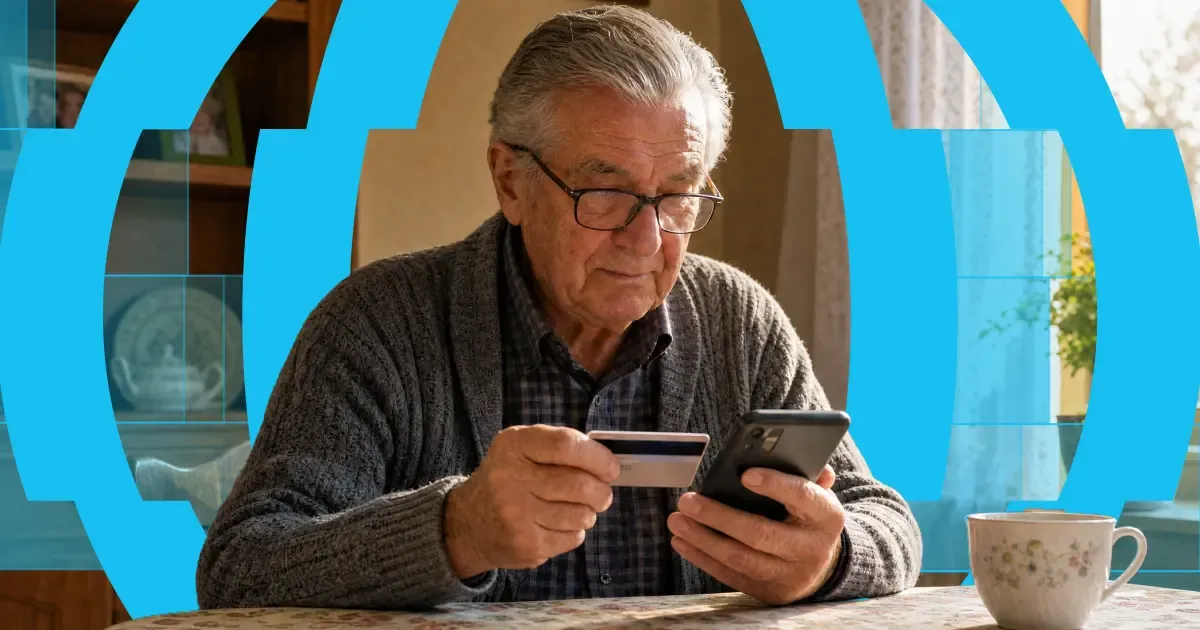
Here's the short answer: yes, you can use a credit card to get money into someone's bank account abroad. "Credit card to bank transfer" means exactly that — you fund the transfer with your credit card, and your recipient receives it in their bank account. Or on their card, in their wallet, or as cash to collect, depending on where they are.
The card and the bank account do different jobs. Your card pays for the transfer. A provider like Paysend then pays the money out through local systems on the other end. It's one flow, and it takes about a minute in the app.
One thing worth knowing before you start: a credit card is usually the most expensive way to fund a transfer. Some issuers treat it as a cash advance, and credit tends to carry higher payment fees than debit. You'll always see the full cost, exchange rate included, before you confirm anything. What follows is: the ways your money can arrive, what each one costs, how fast it gets there, and the cheaper routes worth checking first.

Every month, thousands of people working in the Czech Republic send part of their payday home — many of them Ukrainians supporting family across the border. And the traditional route makes it harder than it should be: bank wires that ask for IBANs and SWIFT codes, fees that only show up after the money's gone, and days of waiting while someone at home is counting on it.
Pavel Štich has spent years helping his readers solve exactly that. He's Co-Founder and Lead Financial Editor at Moneyo.cz, an independent Czech platform that compares money transfer services, stock brokers, and alternative investments — and a Paysend Ambassador, which means he tests what he recommends, explains it plainly, and brings his readers reader-only perks. We asked him how Moneyo started, who reads it, and why he chose Paysend.


