Why Paysend Verification Matters – and How It Keeps You Safe
When it comes to sending money across the world, trust and security come first. At Paysend, we’re proud to make global transfers quick and easy – but we also take your safety seriously. That’s why we have a few verification steps in place to make sure your money always gets where it needs to go, securely and without worry.
If you’ve ever wondered why we ask for a few extra details, this guide will explain what verification is, why it matters, and how it actually benefits you.
What Is Verification and Why Do We Need It?
Think of verification as your digital ID check. It’s how we confirm that every transaction really comes from you. This helps us keep your account safe, prevent fraud and ensure that every transfer meets international financial standards.
Depending on how much and how often you send money, or which countries you transfer to, we may ask you to confirm and verify some details. It’s a small step that goes a long way toward protecting your account and keeping the Paysend community secure.
Types of Verification You Might See
To make sure everything runs smoothly, we may ask for one or more of the following:
- Identity verification – confirming it’s really you
- Address verification – making sure we can reach you safely
- Purpose of sending money – understanding your transfers
- Source of funds – confirming your money comes from a legitimate source
- Payment method or recipient verification – adding an extra layer of safety
Each step helps us tailor your account experience. In fact, completing verification can increase your sending limits and unlock more destination countries, making it easier to send money where it matters most.
When We Might Ask for Verification Again
Sometimes, you might notice we ask for verification more than once. Don’t worry, it’s completely normal.
This can happen when you increase your sending limits, update your personal data or phone number, add or change your card, or simply when regulations require us to check again.
These extra checks help us keep your account compliant with international standards and maintain the highest levels of security without slowing down your transfers.
Our Promise to You
We understand that verification can sometimes feel like an extra step, but it’s one that truly matters. Behind every request is our commitment to keeping your information private, your money protected, and your experience simple.
At Paysend, your trust means everything to us. We’re constantly working to make verification smoother, faster, and more transparent because a secure service should also be a stress-free one.
The educational materials on this site are provided for informational purposes only and do not reflect the opinions of Central Bank of Kansas City, Member FDIC. Educational materials may contain links to content on third-party websites, which are provided for your convenience; please note that linked sites may have a privacy and security policy different from our own, and we cannot attest to the accuracy of information. The Central Bank of Kansas City does not guarantee nor expressly endorse any particular business, product, service, or third-party content.
Latest Posts
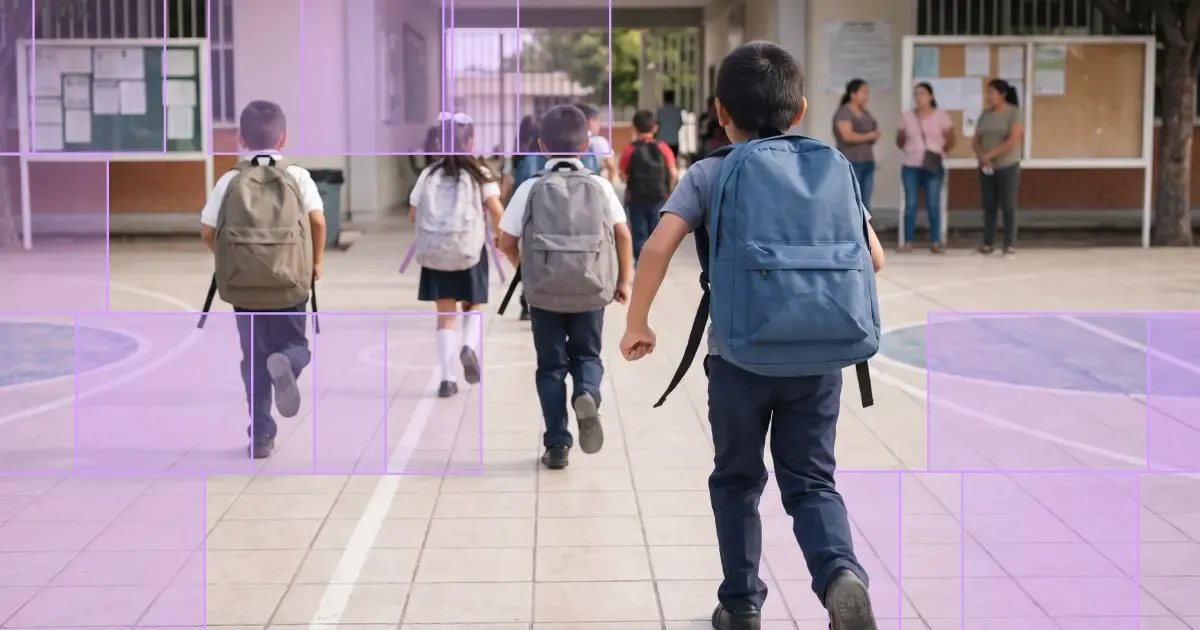
Back-to-school season can be one of the times of year you feel furthest from the people you love. It's also one of the most expensive – school supplies, uniforms, tuition, and everyday essentials all add up at once. Many people help cover these costs by sending money internationally to family abroad. To support that, new Paysend customers get a fee-free first transfer at a better exchange rate during the back-to-school period.
Whether you're helping pay for school or everyday expenses, an international transfer can get support to the people who need it, when they need it. Paysend lets customers send money to more than 170 countries through secure, straightforward payment methods — here's how to sign up for free and claim the offer.

Every month, thousands of people working in the Czech Republic send part of their payday home — many of them Ukrainians supporting family across the border. And the traditional route makes it harder than it should be: bank wires that ask for IBANs and SWIFT codes, fees that only show up after the money's gone, and days of waiting while someone at home is counting on it.
Pavel Štich has spent years helping his readers solve exactly that. He's Co-Founder and Lead Financial Editor at Moneyo.cz, an independent Czech platform that compares money transfer services, stock brokers, and alternative investments — and a Paysend Ambassador, which means he tests what he recommends, explains it plainly, and brings his readers reader-only perks. We asked him how Moneyo started, who reads it, and why he chose Paysend.


