How to Call an 800 Number from Mexico

S. Toll-free US numbers like 1-800 become charged calls when dialed from outside the US, and you’ll need to replace the 800 prefix with a Mexican access code – usually 001-880 or a variation depending on the number. Here's how it works.
1. How do I call a 1-800 number from Mexico?
If you’re trying to reach a US 1-800 number while in Mexico, here’s what to do:
- Replace the 1-800 with 001-880
- Then dial the rest of the number
For example, to call 1-800-123-4567, you would dial:
001-880-123-4567
This works for most toll-free numbers, but check with your phone provider first – some numbers may not be reachable or may be blocked from international access.
2. Alternate Toll-Free codes
If you're calling other US toll-free prefixes, here’s how to convert them from Mexico:
US Toll-Free Prefix | Dial From Mexico As |
| 800 | 001-880 |
| 888 | 001-881 |
| 877 | 001-882 |
| 866 | 001-883 |
| 855 | 001-884 |
| 844 | 001-885 |
| 833 | 001-886 |
So a number like 1-888-555-6789 would be dialled from Mexico as:
001-881-555-6789
Again, these aren’t toll-free from Mexico – they may incur long-distance charges, so check your phone plan or use an international calling service.
3. Low-cost ways to call Toll-Free numbers from Mexico
If you’re concerned about cost, you can try:
- Calling via VoIP apps like Skype or Google Voice (some support toll-free numbers)
- Contacting the business via online chat or app
- Checking if there’s a local Mexican number listed on the company’s website
Some toll-free numbers have international versions, so it’s worth checking the brand’s “Contact Us” page for options specifically for callers from Mexico.
4. Staying connected and sending money to the US
If you’re in Mexico and also need to send money back to the US, there are simple, reliable ways to do it. With services like Paysend, you can transfer money to US bank cards or accounts quickly and securely, often with no hidden fees. It’s a great way to stay connected — whether you're supporting family, paying bills, or splitting costs from abroad.
Just like calling, sending money is easier when you use the right tools — look for trusted digital options with clear pricing and fast delivery.
Quick recap
To call a US 1-800 number from Mexico, replace the 800 with 001-880 — and remember, it won’t be toll-free.Consider using calling apps or looking for alternative contact numbers to save costs. And if you're also looking to send money back home, go with a provider that’s fast, transparent, and designed for international support.
Eng soʻnggi xabarlar
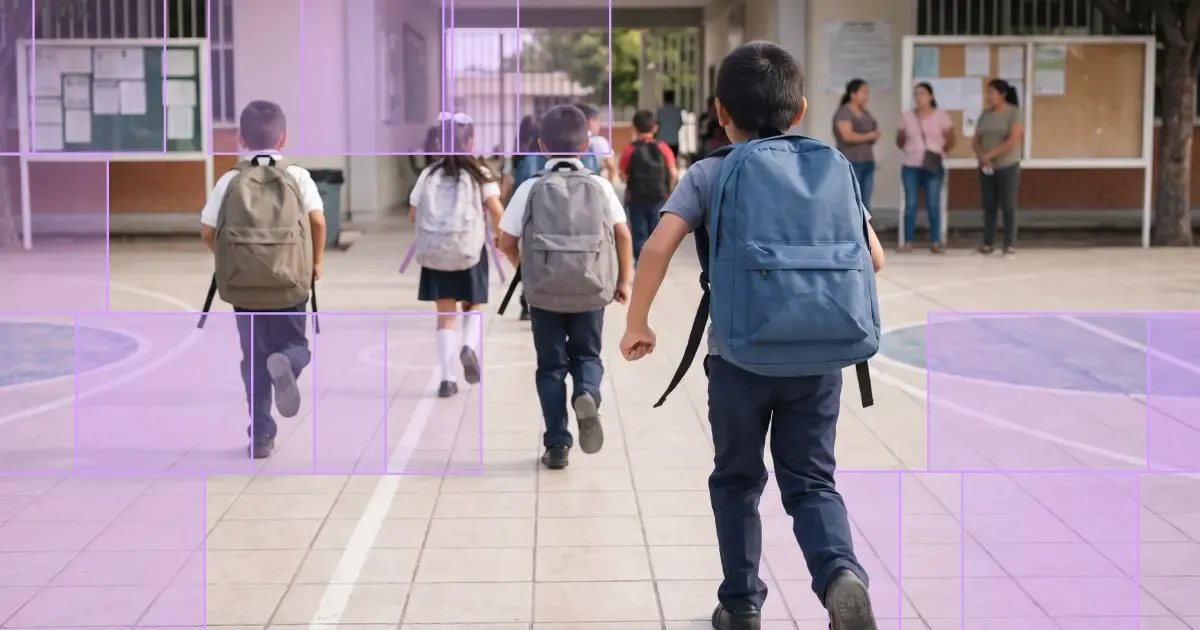
Back-to-school season can be one of the times of year you feel furthest from the people you love. It's also one of the most expensive – school supplies, uniforms, tuition, and everyday essentials all add up at once. Many people help cover these costs by sending money internationally to family abroad. To support that, new Paysend customers get a fee-free first transfer at a better exchange rate during the back-to-school period.
Whether you're helping pay for school or everyday expenses, an international transfer can get support to the people who need it, when they need it. Paysend lets customers send money to more than 170 countries through secure, straightforward payment methods — here's how to sign up for free and claim the offer.

Har oy Chexiyada ishlaydigan minglab odamlar maoshining bir qismini uyiga yuboradi — ularning ko‘pchiligi chegaraning narigi tomonidagi oilasini qo‘llab-quvvatlayotgan ukrainaliklardir. An’anaviy usullar esa oddiy bo‘lishi kerak bo‘lgan jarayonni murakkablashtiradi: IBAN va SWIFT kodlarini talab qiladigan bank o‘tkazmalari, pul yuborilgandan keyingina ko‘rinadigan komissiyalar va uyda kimdir bu mablag‘ni kutib turgan paytda bir necha kunlab kutish.
Pavel Štich yillar davomida o‘quvchilariga aynan shu muammoni hal qilishda yordam berib kelmoqda. U Moneyo.cz — pul o‘tkazmalari xizmatlari, birja brokerlari va muqobil investitsiyalarni taqqoslaydigan mustaqil Chexiya platformasi — hamasoschisi va bosh moliya muharriri. Shuningdek, u Paysend Elchisi bo‘lib, tavsiya qiladigan xizmatlarini shaxsan sinab ko‘radi, ularni sodda tilda tushuntiradi va o‘quvchilariga eksklyuziv imtiyozlar taqdim etadi. Biz undan Moneyo qanday tashkil etilgani, uni kimlar o‘qishi va nima uchun Paysendni tanlagani haqida so‘radik.