Paysend white paper - Digital money transfers and the empowerment of women

All over the world, gender inequality makes it difficult for women to enjoy the same level of financial independence and inclusion as their male counterparts.
This is most evident in low-income countries, where financial infrastructure, socio-economic situations and prejudiced behavioural attitudes prevent women from taking control of their own financial destiny. Digital money services - particularly digital money transfers - are a way to change this.
Our white paper, entitled Digital money for inclusion. How FinTech is supporting the empowerment of women, explores the importance of digitisation of money transfers in creating a more inclusive financial world for women. By extensively using data from the World Bank and a number of other sources, the white paper aims to connect the dots between financial exclusion, digital money and gender equality.
You can download the white paper below:
Eng soʻnggi xabarlar
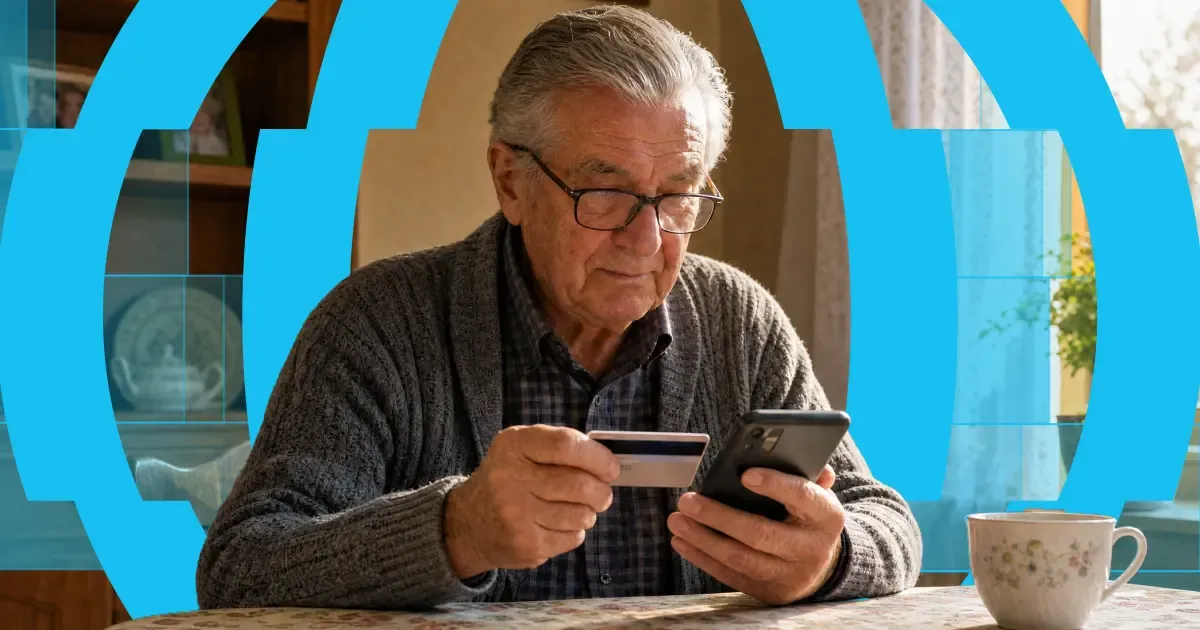
Here's the short answer: yes, you can use a credit card to get money into someone's bank account abroad. "Credit card to bank transfer" means exactly that — you fund the transfer with your credit card, and your recipient receives it in their bank account. Or on their card, in their wallet, or as cash to collect, depending on where they are.
The card and the bank account do different jobs. Your card pays for the transfer. A provider like Paysend then pays the money out through local systems on the other end. It's one flow, and it takes about a minute in the app.
One thing worth knowing before you start: a credit card is usually the most expensive way to fund a transfer. Some issuers treat it as a cash advance, and credit tends to carry higher payment fees than debit. You'll always see the full cost, exchange rate included, before you confirm anything. What follows is: the ways your money can arrive, what each one costs, how fast it gets there, and the cheaper routes worth checking first.

Har oy Chexiyada ishlaydigan minglab odamlar maoshining bir qismini uyiga yuboradi — ularning ko‘pchiligi chegaraning narigi tomonidagi oilasini qo‘llab-quvvatlayotgan ukrainaliklardir. An’anaviy usullar esa oddiy bo‘lishi kerak bo‘lgan jarayonni murakkablashtiradi: IBAN va SWIFT kodlarini talab qiladigan bank o‘tkazmalari, pul yuborilgandan keyingina ko‘rinadigan komissiyalar va uyda kimdir bu mablag‘ni kutib turgan paytda bir necha kunlab kutish.
Pavel Štich yillar davomida o‘quvchilariga aynan shu muammoni hal qilishda yordam berib kelmoqda. U Moneyo.cz — pul o‘tkazmalari xizmatlari, birja brokerlari va muqobil investitsiyalarni taqqoslaydigan mustaqil Chexiya platformasi — hamasoschisi va bosh moliya muharriri. Shuningdek, u Paysend Elchisi bo‘lib, tavsiya qiladigan xizmatlarini shaxsan sinab ko‘radi, ularni sodda tilda tushuntiradi va o‘quvchilariga eksklyuziv imtiyozlar taqdim etadi. Biz undan Moneyo qanday tashkil etilgani, uni kimlar o‘qishi va nima uchun Paysendni tanlagani haqida so‘radik.


