From Ballads to Bank Transfers: Why Eurovision and International Connections Still Steal the Show

While you dust off your Eurovision 2024 scorecard to check how the countries ranked, one thing’s for sure: Eurovision continues to bring people together like no other event. Whether you're comparing the wildest outfits or rewatching your favorites on YouTube, the Eurovision Song Contest is a yearly celebration of unity, sequins, and sometimes… surprisingly catchy tunes.
Every May, Europe turns up the volume, grabs the glitter, and settles in for one of the continent’s most iconic traditions: Eurovision. Since 1956, the contest has been bringing together countries from across Europe – and beyond – to celebrate music, culture, and a little friendly competition.
But Eurovision is about more than just key changes and pyrotechnics. It’s about connection. Families and friends cheering for their home country from opposite sides of the globe. Expats tuning in from afar. A shared moment that brings people closer, wherever they live.
Sound familiar? We think so too.
A quick look back at Eurovision
It all started in Switzerland, when just seven countries took part in the first Eurovision Song Contest. Fast-forward nearly 70 years, and the show now draws in over 40 nations and millions of viewers around the world.
Over the years, we’ve had the highs (Sweden’s many wins, Ukraine’s powerful entries) and the lows (yes, the infamous nul points). From Eurovision favourites like Loreen and Måneskin to offbeat acts that become viral legends, the contest never fails to surprise.
Still wondering who won Eurovision 2024? Spoiler alert: it’s never just about the winner. It's about the chaos, the camaraderie, and the joy of everyone shouting “12 points!” at their screen.
Eurovision 2025: what’s next?
So, when is Eurovision 2025? And what time does Eurovision start? It’s a bit early for the full Eurovision running order, but fans are already eyeing up the Eurovision Big 5 and making guesses about the next breakout act.
And with Eurovision tickets in high demand year after year, now’s the time to start planning for your next glitter-fuelled viewing party.
Wherever you're tuning in from, one thing’s guaranteed: Eurovision makes the continent feel a little more connected — even if half the audience is arguing about key changes and staging.
Making connections that matter (and money that moves)
Just like Eurovision builds bridges through music, Paysend helps people stay connected across borders – especially when you need to send money internationally.
Whether you’re supporting family, paying rent abroad, or just sending a birthday gift, our international money transfer services are designed to make your life easier.
- Transfer money internationally in just a few taps
- No hidden fees, just great rates
- Real-time delivery to bank accounts, cards and wallets
- Available in 170+ countries
Still asking how to transfer money internationally or how long does international money transfer take? With Paysend, it’s faster than the average Eurovision performance—and a lot more secure.
Eurovision and Paysend: a love song for Europe
Whether you're watching from Warsaw, Madrid or Manchester, Eurovision is a celebration of difference, drama, and delight. It’s weird, it’s wonderful, and it makes you feel connected—no matter where you are.
And if you're sending money while belting out ballads or marking off your Eurovision bingo card? Paysend makes it simple.
Bài viết mới nhất
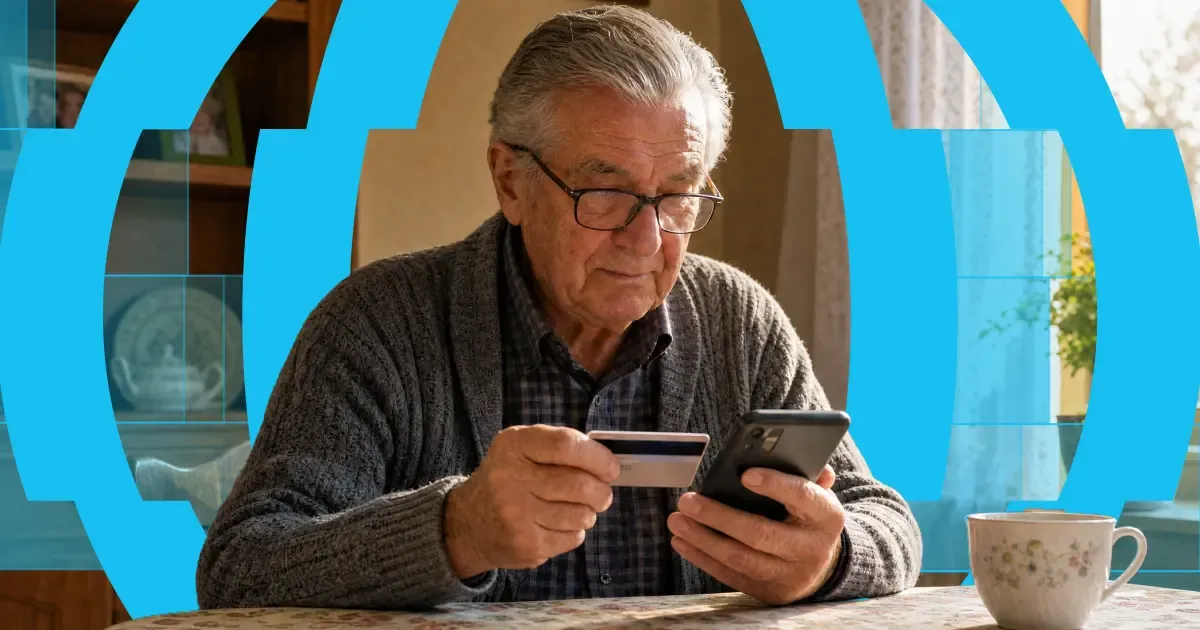
Here's the short answer: yes, you can use a credit card to get money into someone's bank account abroad. "Credit card to bank transfer" means exactly that — you fund the transfer with your credit card, and your recipient receives it in their bank account. Or on their card, in their wallet, or as cash to collect, depending on where they are.
The card and the bank account do different jobs. Your card pays for the transfer. A provider like Paysend then pays the money out through local systems on the other end. It's one flow, and it takes about a minute in the app.
One thing worth knowing before you start: a credit card is usually the most expensive way to fund a transfer. Some issuers treat it as a cash advance, and credit tends to carry higher payment fees than debit. You'll always see the full cost, exchange rate included, before you confirm anything. What follows is: the ways your money can arrive, what each one costs, how fast it gets there, and the cheaper routes worth checking first.

Mỗi tháng, hàng nghìn người làm việc tại Séc gửi một phần lương về nhà — nhiều người trong số đó là người Ukraine đang hỗ trợ gia đình ở bên kia biên giới. Và cách làm truyền thống lại khiến việc vốn đơn giản trở nên phức tạp hơn: chuyển khoản ngân hàng yêu cầu mã IBAN và SWIFT, phí chỉ hiện ra sau khi tiền đã được gửi đi, và nhiều ngày chờ đợi trong khi ai đó ở nhà đang trông chờ vào khoản tiền ấy.
Pavel Štich đã nhiều năm giúp độc giả của mình giải quyết đúng vấn đề này. Anh là Đồng sáng lập kiêm Tổng biên tập mảng tài chính tại Moneyo.cz — nền tảng độc lập của Séc chuyên so sánh các dịch vụ chuyển tiền, các công ty môi giới chứng khoán và các kênh đầu tư thay thế — đồng thời là Đại sứ Paysend, nghĩa là anh đích thân trải nghiệm mọi thứ mình giới thiệu, giải thích rõ ràng và mang đến cho độc giả những ưu đãi độc quyền. Chúng tôi đã hỏi anh về sự ra đời của Moneyo, ai là độc giả của trang, và vì sao anh chọn Paysend.


