How to Say 11 in Spanish (And Other Number Essentials for Your Next Trip)

If you’re learning Spanish or getting ready for a holiday, knowing how to count is one of the most useful skills to pick up. To answer the question right away:
11 in Spanish is “once” (pronounced: on-seh).
It’s part of a group of unique number names from 11 to 15 that don’t follow the standard pattern, so they’re worth memorising early on. Whether you're booking a table, buying something, or ordering drinks on the beach, numbers come up a lot – and getting them right helps you feel more confident and understood.
Spanish Numbers 1–15: Quick Reference
Here’s a list of the Spanish numbers from 1 to 15 to help you get familiar:
| Number | Spanish | Pronunciation |
1 | uno | oo-noh |
2 | dos | dos |
3 | tres | tres |
4 | cuatro | kwah-troh |
5 | cinco | seen-koh |
6 | seis | says |
7 | siete | syet-eh |
8 | ocho | oh-choh |
9 | nueve | nweh-veh |
10 | diez | dyeth (Spain) or dyess (LatAm) |
11 | once | on-seh |
12 | doce | doh-seh |
13 | trece | treh-seh |
14 | catorce | kah-tor-seh |
15 | quince | keen-seh |
Useful Phrases with Numbers in Spanish
Here’s where the fun starts — actually using numbers when you travel or speak to someone in Spanish. Below are a few real-life examples:
- ¿Puedo tener dos cervezas, por favor?
Can I have two beers, please? - Somos cuatro personas.
There are four of us. - Tengo once euros.
I have eleven euros. - La habitación es para tres noches.
The room is for three nights. - El autobús sale a las ocho.
The bus leaves at eight.
As you can see, knowing numbers like once (11) is helpful when you're counting money, ordering food, or just getting around.
How to Say Bigger Numbers in Spanish
After 15, numbers start to follow more regular patterns:
- 16 – dieciséis
- 17 – diecisiete
- 20 – veinte
- 21 – veintiuno
- 30 – treinta
- 40 – cuarenta
- 50 – cincuenta
So, if you want to say “twenty-one euros,” it’s veintiún euros. If you’re ordering “eleven tickets,” it’s once entradas.
Travelling? This Comes in Handy
Whether you’re paying a bill, buying a SIM card, or asking how much something costs, knowing your numbers in Spanish is just as essential as saying “hello” or “thank you.” It’s especially useful in countries like Spain, Mexico, Argentina, and across Central and South America, where numbers are a key part of every interaction.
If you’re sending money abroad – for example, to family or friends – you might also want to be able to read or say numbers out loud when confirming amounts.
Final Tip: Practise With Real-Life Questions
To help you remember numbers like once, try practising with questions you might actually use:
- ¿Cuánto cuesta? – How much does it cost?
- ¿Tiene cambio de veinte? – Do you have change for twenty?
- ¿Puedes transferir cincuenta euros? – Can you transfer fifty euros?
The more you practise, the more natural it becomes — and the easier your next trip will be.
Sending money? Do it with Paysend, and download the app for free.
Don’t miss our other related blogs:
Bài viết mới nhất
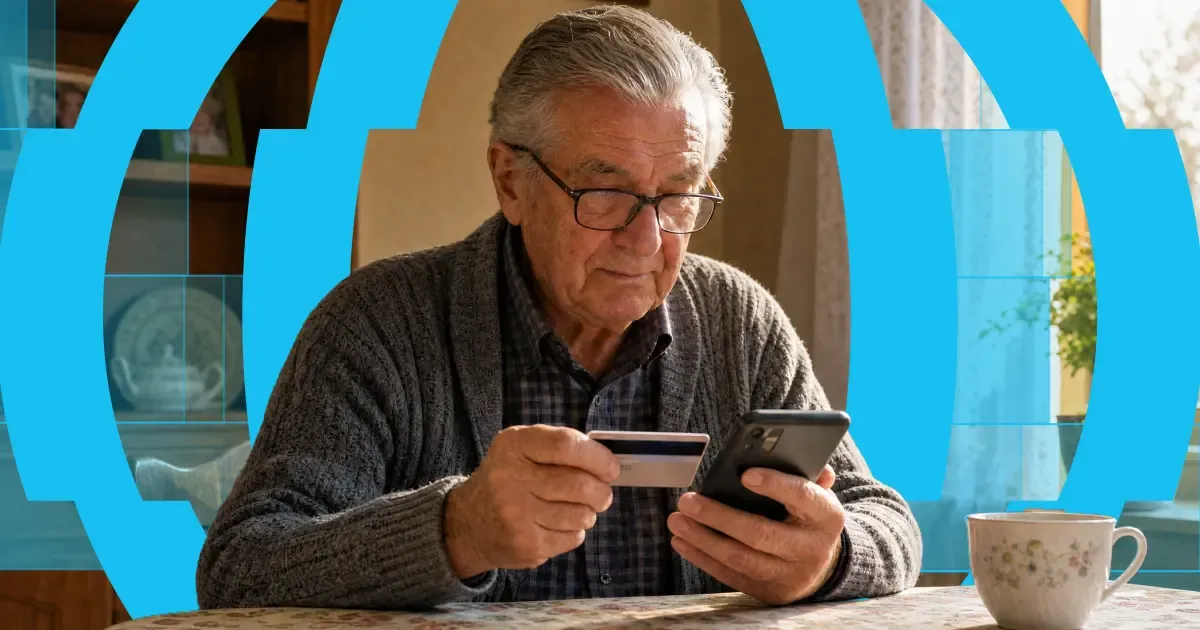
Here's the short answer: yes, you can use a credit card to get money into someone's bank account abroad. "Credit card to bank transfer" means exactly that — you fund the transfer with your credit card, and your recipient receives it in their bank account. Or on their card, in their wallet, or as cash to collect, depending on where they are.
The card and the bank account do different jobs. Your card pays for the transfer. A provider like Paysend then pays the money out through local systems on the other end. It's one flow, and it takes about a minute in the app.
One thing worth knowing before you start: a credit card is usually the most expensive way to fund a transfer. Some issuers treat it as a cash advance, and credit tends to carry higher payment fees than debit. You'll always see the full cost, exchange rate included, before you confirm anything. What follows is: the ways your money can arrive, what each one costs, how fast it gets there, and the cheaper routes worth checking first.

Mỗi tháng, hàng nghìn người làm việc tại Séc gửi một phần lương về nhà — nhiều người trong số đó là người Ukraine đang hỗ trợ gia đình ở bên kia biên giới. Và cách làm truyền thống lại khiến việc vốn đơn giản trở nên phức tạp hơn: chuyển khoản ngân hàng yêu cầu mã IBAN và SWIFT, phí chỉ hiện ra sau khi tiền đã được gửi đi, và nhiều ngày chờ đợi trong khi ai đó ở nhà đang trông chờ vào khoản tiền ấy.
Pavel Štich đã nhiều năm giúp độc giả của mình giải quyết đúng vấn đề này. Anh là Đồng sáng lập kiêm Tổng biên tập mảng tài chính tại Moneyo.cz — nền tảng độc lập của Séc chuyên so sánh các dịch vụ chuyển tiền, các công ty môi giới chứng khoán và các kênh đầu tư thay thế — đồng thời là Đại sứ Paysend, nghĩa là anh đích thân trải nghiệm mọi thứ mình giới thiệu, giải thích rõ ràng và mang đến cho độc giả những ưu đãi độc quyền. Chúng tôi đã hỏi anh về sự ra đời của Moneyo, ai là độc giả của trang, và vì sao anh chọn Paysend.


