How to Say Mexico City in Spanish – And Sound Like a Local

If you’ve ever wondered how to say Mexico City in Spanish, the most direct translation is Ciudad de México – but that’s just the start of the story.
Because if you ask someone who actually lives in Mexico, you’ll quickly realise that the way locals refer to their capital is highly contextual, often playful, and sometimes deliberately ambiguous. So if you want to sound more like a local – and less like a textbook – here’s what you need to know.
The simple answer: “México”
Yes, really.
For most people in Mexico, Mexico City is just “México.”
If you’re from another part of the country, like Querétaro or Puebla, and you’re heading to the capital, you don’t usually say “Voy a Ciudad de México.” You say:
“Voy a México.”
I’m going to Mexico.
And nobody bats an eye. Everyone understands you mean the city, not the country.
Why? Because Mexicans rely on context. If you’re inside the country, it’s already clear you’re not talking about the nation as a whole — so there’s no need to add “Ciudad de.”
That’s why you’ll see road signs inside Mexico simply say “México” — meaning the city. No confusion. No need for extra words.
Officially? It’s “Ciudad de México” or “CDMX”
When clarity matters — in the news, formal documents, or when talking to someone from outside the country — the full name Ciudad de México is used. Abbreviated, you’ll often see:
- CDMX (pronounced “say-day-em-equis” in Spanish)
- DF or D.F., short for Distrito Federal — a term still used by many, even though it’s technically outdated
So if you’re filling in a form or explaining where you’re from abroad, “Ciudad de México” is the safest and most widely recognised answer.
Want to sound local? Try these alternatives
Mexicans have no shortage of creative nicknames for their capital — and using one of them in the right context can earn you instant respect (or at least a laugh).
Here are some you might hear:
- La Capital – The capital. Simple and polite.
- El Chilango – A light-hearted reference to the city’s nickname for locals (chilangos).
- Chilanguilandia – A humorous twist. Chilango + Disneyland.
- El DeFectuoso – A play on DF and “defective.” Sarcastic but beloved.
- La Ciudad de la Corrupción – Not always flattering, but very much in jest.
- La Estrella de la Muerte – The Death Star. Dark humour, Mexico-style.
- Chairotitlán – You’ll need a full blog just to unpack this one.
Each one carries cultural nuance, irony, or affection — and knowing when to use them (and when not to) is part of what makes Mexican Spanish so rich and layered.
What does CDMX mean?
CDMX stands for Ciudad de México, introduced as part of a rebranding when the city transitioned away from being known as Distrito Federal. It gave Mexico City a more defined political identity and helped modernise its image internationally.
You’ll see CDMX on number plates, government buildings and in the media — but in everyday speech, DF (de-eh-feh) is still alive and well.
How do locals really talk about Mexico City?
If you’re travelling from nearby states — like Morelos, Puebla, or Hidalgo — you might hear:
- “Voy a México”
- “Voy al Chilango”
- “Voy a Chilanguilandia”
- “Voy a la Capital”
- "Voy al Defectuoso”
All of them mean “I’m heading to Mexico City,” and each brings its own tone — from affectionate to ironic.
Want to blend in? Stick with “México” or “la capital”
Unless you’re writing an official document, just saying “México” is perfectly natural if you're within the country. If you’re outside of Mexico and want to be clear, “Ciudad de México” is best.
Trying to sound playful? Try “el Chilango” or “el Defectuoso” with a smile — and be ready to explain the joke if your audience isn’t local.
Final word: it’s all about context
Whether you're booking a trip, sending money home, or just learning Spanish for fun — knowing how people really speak is just as important as formal rules.
So the next time someone asks how to say Mexico City in Spanish, now you know: it’s Ciudad de México, CDMX, DF, or just plain México — and it all depends on where you are and who you’re talking to.
Related posts:
Bài viết mới nhất
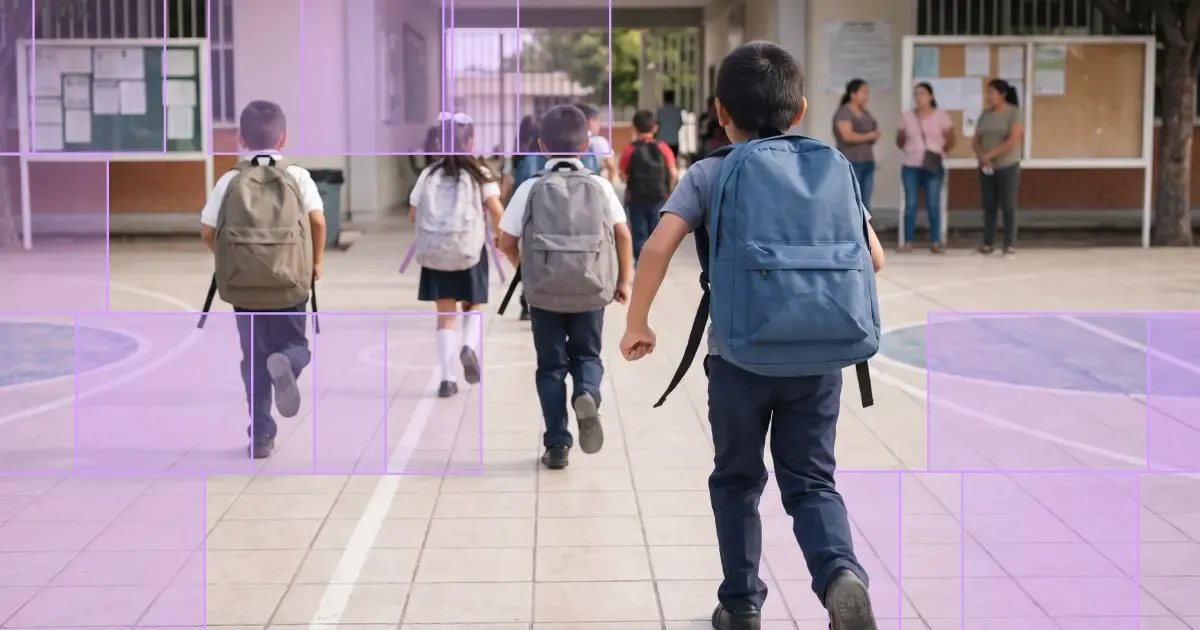
Back-to-school season can be one of the times of year you feel furthest from the people you love. It's also one of the most expensive – school supplies, uniforms, tuition, and everyday essentials all add up at once. Many people help cover these costs by sending money internationally to family abroad. To support that, new Paysend customers get a fee-free first transfer at a better exchange rate during the back-to-school period.
Whether you're helping pay for school or everyday expenses, an international transfer can get support to the people who need it, when they need it. Paysend lets customers send money to more than 170 countries through secure, straightforward payment methods — here's how to sign up for free and claim the offer.

Mỗi tháng, hàng nghìn người làm việc tại Séc gửi một phần lương về nhà — nhiều người trong số đó là người Ukraine đang hỗ trợ gia đình ở bên kia biên giới. Và cách làm truyền thống lại khiến việc vốn đơn giản trở nên phức tạp hơn: chuyển khoản ngân hàng yêu cầu mã IBAN và SWIFT, phí chỉ hiện ra sau khi tiền đã được gửi đi, và nhiều ngày chờ đợi trong khi ai đó ở nhà đang trông chờ vào khoản tiền ấy.
Pavel Štich đã nhiều năm giúp độc giả của mình giải quyết đúng vấn đề này. Anh là Đồng sáng lập kiêm Tổng biên tập mảng tài chính tại Moneyo.cz — nền tảng độc lập của Séc chuyên so sánh các dịch vụ chuyển tiền, các công ty môi giới chứng khoán và các kênh đầu tư thay thế — đồng thời là Đại sứ Paysend, nghĩa là anh đích thân trải nghiệm mọi thứ mình giới thiệu, giải thích rõ ràng và mang đến cho độc giả những ưu đãi độc quyền. Chúng tôi đã hỏi anh về sự ra đời của Moneyo, ai là độc giả của trang, và vì sao anh chọn Paysend.


