Suy nghĩ cho tương lai.
Đọc các bài viết mới nhất về Paysend

Trong suốt tháng 8, Paysend nhân đôi phần thưởng giới thiệu. Mời một người bạn và bạn sẽ nhận được $6 cho mỗi lượt giới thiệu thành công — lên tới $72 tổng cộng. Chương trình diễn ra từ ngày 1 đến ngày 31 tháng 8 và tự động áp dụng cho mọi lượt giới thiệu đủ điều kiện trong khoảng thời gian đó.
Ngay cả trong những tháng bình thường, bạn vẫn nhận được thưởng khi giới thiệu bạn bè đến Paysend. Nhưng trong tháng 8 này, phần thưởng được nhân đôi. Mỗi người bạn đăng ký qua liên kết của bạn và hoàn tất một giao dịch chuyển tiền đủ điều kiện sẽ mang về cho bạn $6 thay vì $3 như thường lệ, và tổng số tiền bạn có thể nhận được trong tháng tăng từ $36 lên $72. Mời bạn bè rất đơn giản — chỉ cần chia sẻ liên kết «Mời bạn bè» trong ứng dụng.

Sending money digitally is quick and convenient, but it also involves important security, verification, and fraud prevention checks. In most cases these checks happen automatically in the background.
If you’ve ever wondered why Paysend asks you to verify your identity, why a transfer might be reviewed, or how your money is protected, the answer is simple: these processes are designed to keep you, your money, and your recipient safe.
Every digital money transfer relies on trust, regulation, and security systems working together. While these checks can sometimes feel like an extra step, they are a standard and essential part of how modern money transfers stay secure.
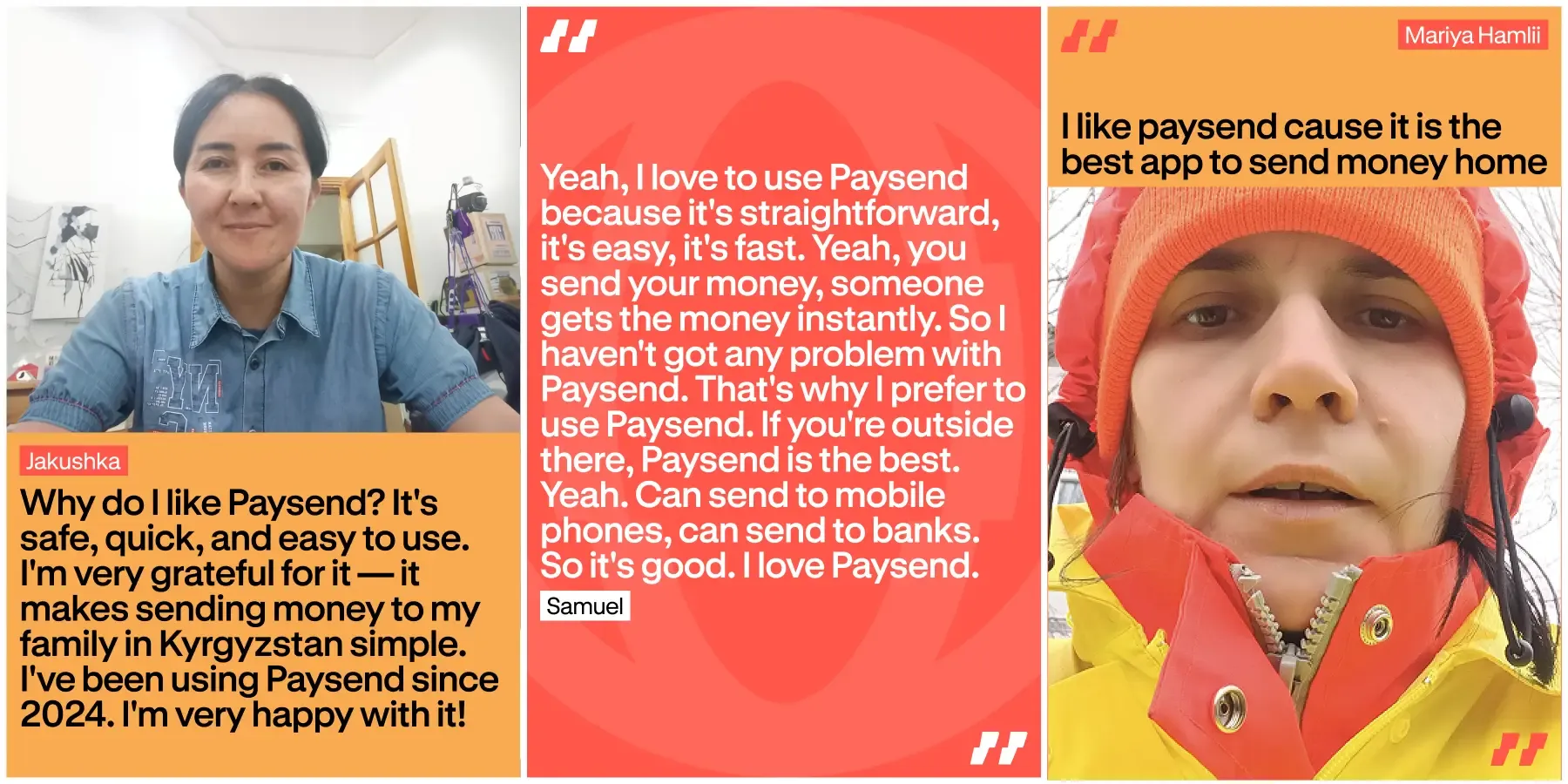
Sending money abroad should feel easy and safe. With Paysend, people know their money will arrive quickly and without stress. It’s not just about speed – it’s about trust, security, and knowing it works every time.
This article shares real customer experiences and why reliability matters in everyday life. It shows how people describe Paysend, and how the network helps move money safely across the world, every day.

Sending money abroad should feel simple, but if your international transfer is delayed or not received, it’s natural to wonder what went wrong.
International money transfers can be delayed, held, or returned for several reasons, most commonly due to compliance checks, missing information, processing cut-off times, or intermediary bank reviews. Industry reporting suggests that while the majority of transfers complete successfully, a small but meaningful share requires manual handling or additional processing, which can cause delays.
It’s important to understand that international money transfers involve multiple institutions, compliance checks, and settlement systems. Because of this, delays or exceptions are not unusual and are typically linked to process or regulatory requirements rather than technical failures or user mistakes.
With that in mind, this guide explains why international transfers may not be received as expected, how often this happens and what you can realistically do next.


