Harvest Festivals Around the World: How Cultures Celebrate Food and Family

As autumn arrives, communities around the globe celebrate the harvest season — a time to give thanks for food, family, and abundance. From Asia to Europe to the Americas, harvest festivals highlight the universal importance of gratitude and togetherness.
What are harvest festivals?
Rooted in ancient agricultural traditions, harvest festivals mark the end of the growing season. They’re an opportunity to share meals, honor ancestors, and celebrate community.
A brief history of harvest celebrations
Across cultures, harvest festivals have always combined food, faith, and family:
- China & Vietnam: The Mid-Autumn Festival celebrates the full moon with mooncakes, lanterns, and family reunions.
- South Korea: Chuseok, or Korean Thanksgiving, honors ancestors with feasts and rituals.
- India: Navratri and Durga Puja combine worship, dance, and communal feasts.
- Germany: Oktoberfest started as a wedding celebration and grew into the world’s biggest folk festival.
- Canada & U.S.: Thanksgiving focuses on gratitude, food, and family gatherings.
How global communities celebrate abroad
Diaspora communities recreate harvest traditions wherever they live — from hosting feasts and dances to sharing foods like mooncakes, tamales, or pumpkin pie. Many also send money back home to help families prepare for celebrations.
Staying connected: Send money worldwide, simply and securely
Wherever your family calls home, Paysend makes it easy to send money directly to bank accounts, cards, or wallets across 100+ countries. With low fees and fast delivery, you can be part of harvest celebrations anywhere in the world.
Celebrating gratitude across borders
Harvest festivals remind us that no matter where we are, food and family connect us all. This season, if you’re sharing support across borders, do it the easy way — with Paysend.
Bài viết mới nhất
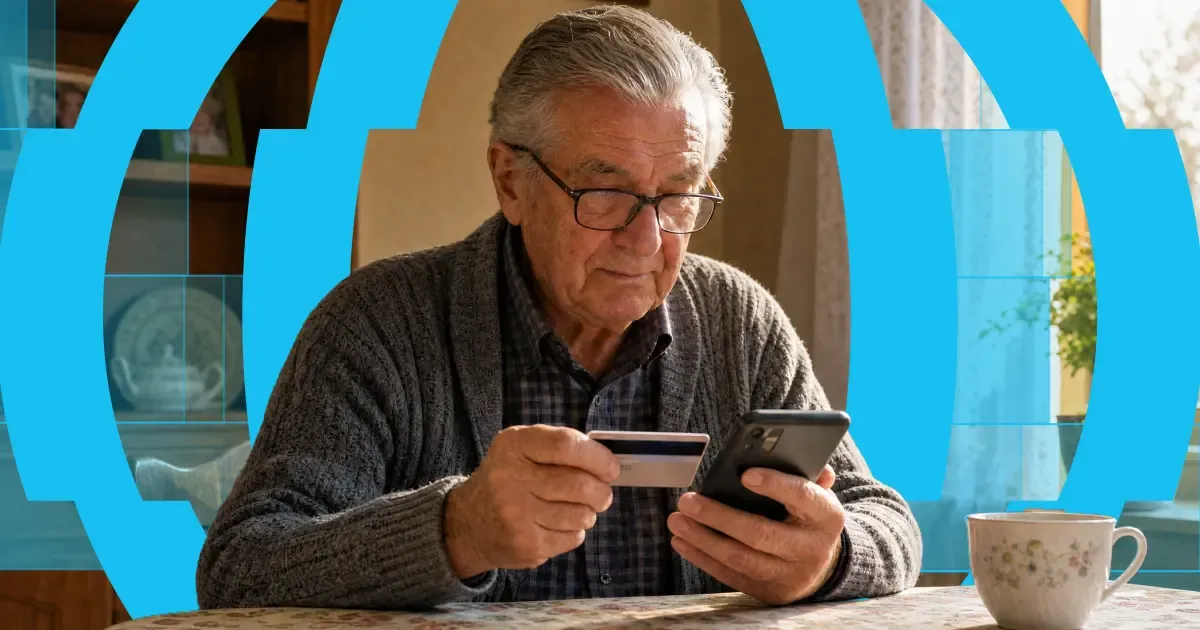
Here's the short answer: yes, you can use a credit card to get money into someone's bank account abroad. "Credit card to bank transfer" means exactly that — you fund the transfer with your credit card, and your recipient receives it in their bank account. Or on their card, in their wallet, or as cash to collect, depending on where they are.
The card and the bank account do different jobs. Your card pays for the transfer. A provider like Paysend then pays the money out through local systems on the other end. It's one flow, and it takes about a minute in the app.
One thing worth knowing before you start: a credit card is usually the most expensive way to fund a transfer. Some issuers treat it as a cash advance, and credit tends to carry higher payment fees than debit. You'll always see the full cost, exchange rate included, before you confirm anything. What follows is: the ways your money can arrive, what each one costs, how fast it gets there, and the cheaper routes worth checking first.
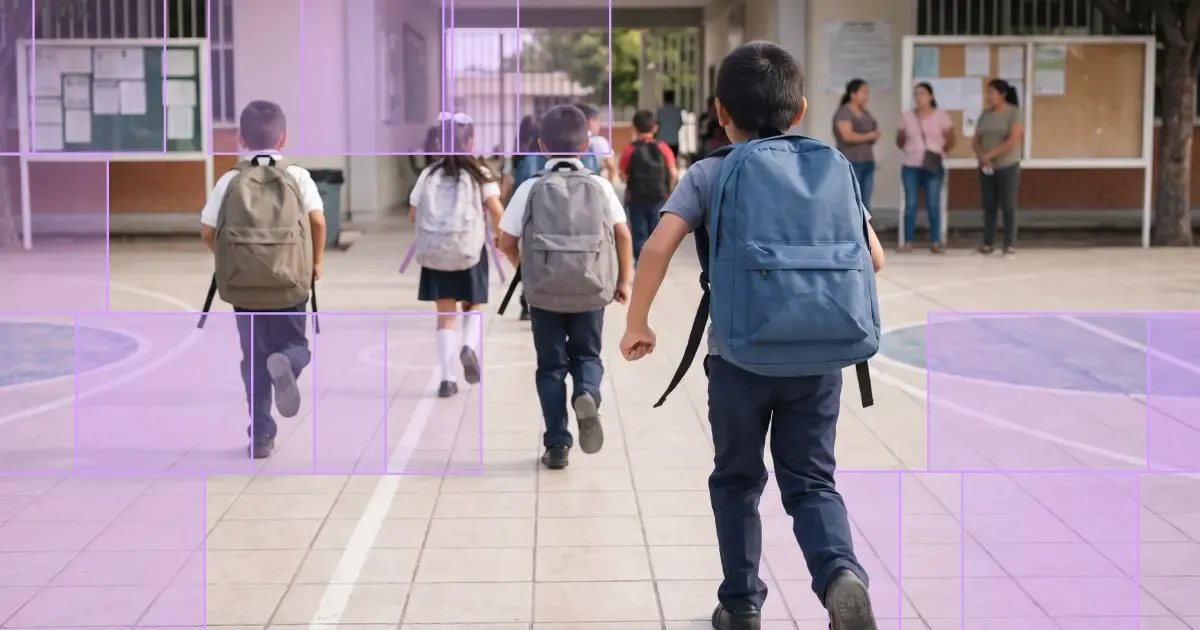
Back-to-school season can be one of the times of year you feel furthest from the people you love. It's also one of the most expensive – school supplies, uniforms, tuition, and everyday essentials all add up at once. Many people help cover these costs by sending money internationally to family abroad. To support that, new Paysend customers get a fee-free first transfer at a better exchange rate during the back-to-school period.
Whether you're helping pay for school or everyday expenses, an international transfer can get support to the people who need it, when they need it. Paysend lets customers send money to more than 170 countries through secure, straightforward payment methods — here's how to sign up for free and claim the offer.


