How Paysend is already meeting worldwide remittance affordability goals

Over the past few years, digital remittances served as a lifeline to stay financially connected with loved ones living abroad during the COVID-19 pandemic. Now, despite moving into an era where people are more likely to travel and get together with friends and family, remittances are still expected to rise.
Digital transfer options are continuing to grow in popularity as they offer a convenient way to send money to loved ones living internationally. In fact, the remittance market is expected to grow nearly 5% this year.
In addition to convenience, cost is also a factor that people often consider when choosing between different services. So, why has the price of sending a remittance risen and what can be done to mitigate cost for you and your loved ones?
Remittances are growing, but cost and fees don’t have to
The global average cost of a remittance in recent years was a shocking 6.5%. Despite many digital remittance companies touting low transaction prices, people are still subject to spending more on money transfer costs due to hidden fees. Historically, there has been a lack of cost transparency within our industry that has resulted in people paying high fees for remittances.
There are several factors that hike up remittance prices – exchange rates that fluctuate, transfer fees, receival fees and more. These charges, often not accounted for at the beginning of a transfer setup, have caused billions of people to spend more money to make international transfers and payments than initially intended.
That’s why the United Nations set a worldwide mobility goal to make digital money transfers fees less than 3% by 2030. Experts believe that with greater price transparency throughout the entire transfer process, we can achieve lower remittances costs globally.
Paysend promises to make money transfers affordable for all
Here at Paysend, we understand the needs of our customers and aim to make digital money transfers accessible (and affordable) for all. Despite having several years left, we’ve already pushed to achieve the UN’s goal as we charge a flat $2 per transfer with no hidden fees.
We also make it easier for customers to view how much money will be spent on exchange rates using our Exchange Calculator.
“Paysend helped me and my family a lot by offering a low transfer fee and great service - very simple and convenient,” said a customer that transfers money to Uzbekistan.
Looking for a way to send money abroad without the confusion of hidden fees and unnecessary upcharges? Download the Paysend Global Transfers app* from the App Store or Google Play today.
*Standard data rates from your wireless service provider may apply.
Bài viết mới nhất
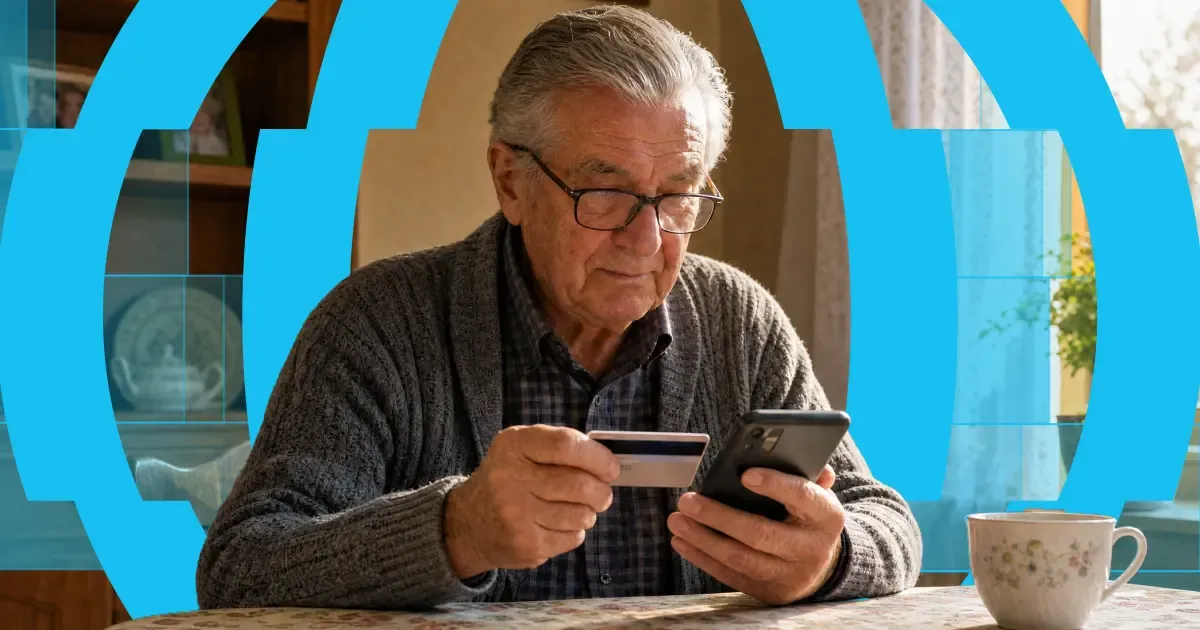
Here's the short answer: yes, you can use a credit card to get money into someone's bank account abroad. "Credit card to bank transfer" means exactly that — you fund the transfer with your credit card, and your recipient receives it in their bank account. Or on their card, in their wallet, or as cash to collect, depending on where they are.
The card and the bank account do different jobs. Your card pays for the transfer. A provider like Paysend then pays the money out through local systems on the other end. It's one flow, and it takes about a minute in the app.
One thing worth knowing before you start: a credit card is usually the most expensive way to fund a transfer. Some issuers treat it as a cash advance, and credit tends to carry higher payment fees than debit. You'll always see the full cost, exchange rate included, before you confirm anything. What follows is: the ways your money can arrive, what each one costs, how fast it gets there, and the cheaper routes worth checking first.
Mỗi tháng, hàng nghìn người làm việc tại Séc gửi một phần lương về nhà — nhiều người trong số đó là người Ukraine đang hỗ trợ gia đình ở bên kia biên giới. Và cách làm truyền thống lại khiến việc vốn đơn giản trở nên phức tạp hơn: chuyển khoản ngân hàng yêu cầu mã IBAN và SWIFT, phí chỉ hiện ra sau khi tiền đã được gửi đi, và nhiều ngày chờ đợi trong khi ai đó ở nhà đang trông chờ vào khoản tiền ấy.
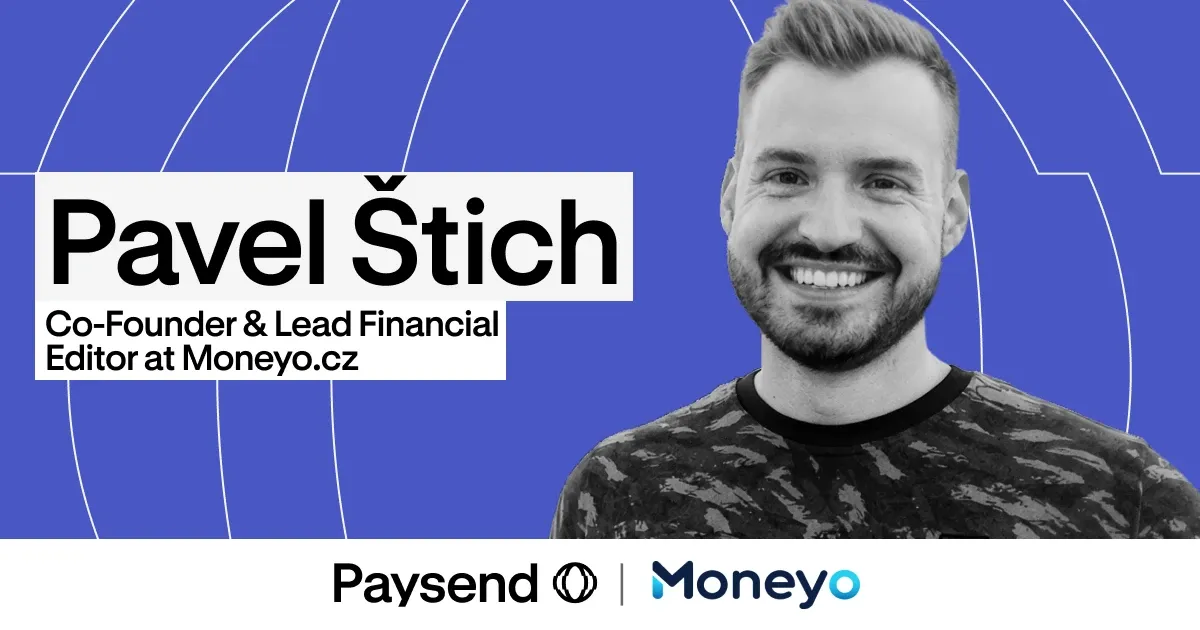
Pavel Štich đã nhiều năm giúp độc giả của mình giải quyết đúng vấn đề này. Anh là Đồng sáng lập kiêm Tổng biên tập mảng tài chính tại Moneyo.cz — nền tảng độc lập của Séc chuyên so sánh các dịch vụ chuyển tiền, các công ty môi giới chứng khoán và các kênh đầu tư thay thế — đồng thời là Đại sứ Paysend, nghĩa là anh đích thân trải nghiệm mọi thứ mình giới thiệu, giải thích rõ ràng và mang đến cho độc giả những ưu đãi độc quyền. Chúng tôi đã hỏi anh về sự ra đời của Moneyo, ai là độc giả của trang, và vì sao anh chọn Paysend.


