How Mexicans Abroad Keep Day of the Dead Traditions Alive
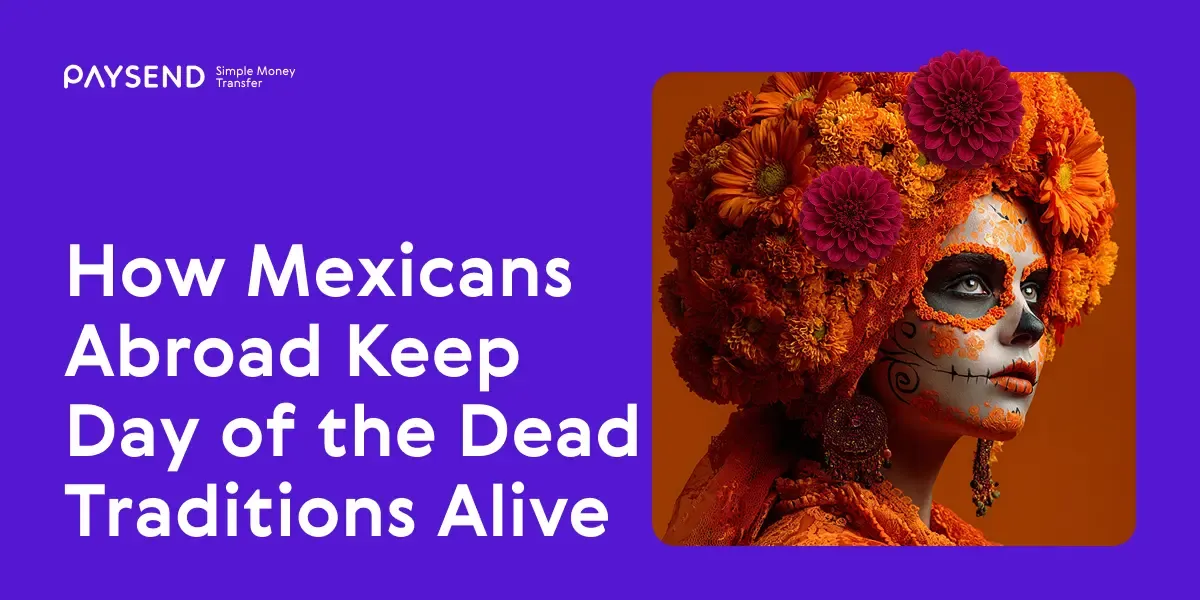
Every year from October 31 to November 2, families in Mexico and around the world celebrate Día de los Muertos (Day of the Dead) — a colorful tradition that honors loved ones who have passed away. For Mexicans abroad, keeping this tradition alive is a way to stay close to family and heritage, no matter the distance.
What is Day of the Dead?
Unlike Halloween, which focuses on spookiness and fright, Day of the Dead is a joyful celebration of life and memory. Families welcome the spirits of loved ones with food, music, and colorful displays.
A brief history of Día de los Muertos
The holiday blends Aztec rituals with Catholic traditions from All Saints’ and All Souls’ Days. Over time, it has become one of Mexico’s most cherished cultural celebrations, recognized by UNESCO as part of humanity’s intangible cultural heritage.
How is Day of the Dead celebrated?
- Ofrendas (altars) — Families build altars decorated with photos, candles, marigolds, and food.
- Traditional foods — Pan de muerto (bread of the dead), sugar skulls, and tamales.
- Parades and music — Streets come alive with costumes, music, and dancing.
- Family gatherings — Sharing meals, stories, and time together.
How Mexicans abroad celebrate
From Los Angeles to Madrid, Mexicans abroad build ofrendas in their homes, host community events, and attend cultural festivals. Many also send money home to help families prepare for the festivities, buy food, and decorate altars.
Staying connected: Send money to Mexico, simply and securely
Whether you’re supporting family celebrations, contributing to an altar, or just sending a gift of love, Paysend makes it fast and easy to transfer money directly to bank accounts, cards, or wallets in Mexico. With no hidden fees, you can be sure your support goes further this Día de los Muertos.
Celebrating life, honoring memory
Day of the Dead is proof that love lives on across generations and borders. This year, if you’re sending support home, make it simple and secure with Paysend.
Bài viết mới nhất
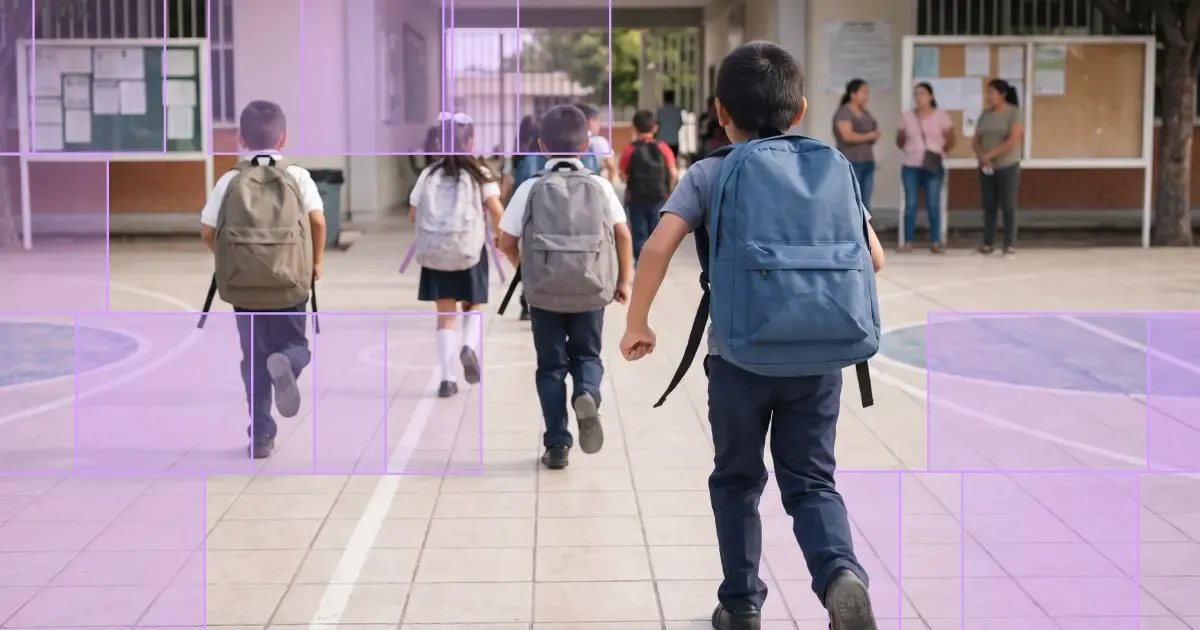
Back-to-school season can be one of the times of year you feel furthest from the people you love. It's also one of the most expensive – school supplies, uniforms, tuition, and everyday essentials all add up at once. Many people help cover these costs by sending money internationally to family abroad. To support that, new Paysend customers get a fee-free first transfer at a better exchange rate during the back-to-school period.
Whether you're helping pay for school or everyday expenses, an international transfer can get support to the people who need it, when they need it. Paysend lets customers send money to more than 170 countries through secure, straightforward payment methods — here's how to sign up for free and claim the offer.

Mỗi tháng, hàng nghìn người làm việc tại Séc gửi một phần lương về nhà — nhiều người trong số đó là người Ukraine đang hỗ trợ gia đình ở bên kia biên giới. Và cách làm truyền thống lại khiến việc vốn đơn giản trở nên phức tạp hơn: chuyển khoản ngân hàng yêu cầu mã IBAN và SWIFT, phí chỉ hiện ra sau khi tiền đã được gửi đi, và nhiều ngày chờ đợi trong khi ai đó ở nhà đang trông chờ vào khoản tiền ấy.
Pavel Štich đã nhiều năm giúp độc giả của mình giải quyết đúng vấn đề này. Anh là Đồng sáng lập kiêm Tổng biên tập mảng tài chính tại Moneyo.cz — nền tảng độc lập của Séc chuyên so sánh các dịch vụ chuyển tiền, các công ty môi giới chứng khoán và các kênh đầu tư thay thế — đồng thời là Đại sứ Paysend, nghĩa là anh đích thân trải nghiệm mọi thứ mình giới thiệu, giải thích rõ ràng và mang đến cho độc giả những ưu đãi độc quyền. Chúng tôi đã hỏi anh về sự ra đời của Moneyo, ai là độc giả của trang, và vì sao anh chọn Paysend.


