How to Say Good Luck in French

Whether you’re moving abroad, going on holiday, or sending encouragement to someone from afar, knowing how to say “good luck” in another language is a thoughtful way to connect.
So let’s get right to it; French for good luck is “Bonne chance”. But it isn’t pronounced as you’d think…
How do you say good luck in French?
The most common phrase is:
“Bonne chance” (pronounced: bun shahnss)
Literally translates to: “Good luck”
It’s versatile and widely used – whether someone’s sitting an exam, going to a job interview, or simply facing a big day ahead. It’s polite, friendly, and shows you’re rooting for them.
Another phrase you might hear is:
“Je croise les doigts” (zhuh krwahz lay dwah) – “I’m crossing my fingers.”
It’s a more casual, expressive way to wish someone luck, and can be used on its own or after bonne chance for extra flair.
Why phrases like this matter
Small phrases can make a big difference — especially if you’re moving to a new country or supporting loved ones who have. If you're visiting France or helping someone start a new chapter there, even a short sentence like bonne chance can help build a real connection.
It’s not about mastering a whole language — it’s about showing you care. And when you're sending money across borders, those moments of thoughtfulness go hand in hand with support.
How to say good luck in Spanish
Spanish is one of the most spoken languages globally, and knowing a few key phrases is helpful whether you’re in Spain, Latin America or the US.
The phrase you’re looking for is:
“Buena suerte” (pronounced: BWEH-nah SWER-teh)
Translation: “Good luck”
It’s simple and widely understood. You might also hear:
“¡Te deseo mucha suerte!” — “I wish you lots of luck.”
Perfect for big milestones, important days, or just to let someone know you’re cheering them on from afar.
How to say good luck in Irish
Irish Gaelic isn’t used in everyday conversation by most people in Ireland, but it still holds cultural weight — especially when it comes to heartfelt messages.
To wish someone good luck in Irish, say:
“Go n-éirí an t-ádh leat” (pronounced: guh ny-ree on taw lat)
Meaning: “May luck rise with you”
It’s often heard before school exams, weddings or new jobs — and adds a personal, meaningful touch to your well-wishes.
And wherever you are in the world, you’re never far from an Irish bar or community — a reminder of how widely the Irish diaspora spreads. A phrase like this is a nod to culture, community, and shared roots.
A few words go a long way
When you’re abroad or connecting across borders, simple phrases like “good luck” help build bridges. Whether you're travelling, learning a few basics for your next trip, or sending support through a money transfer, a familiar word in the right language adds warmth to the moment.
So next time someone needs a boost — from Paris to Barcelona to Cork — you’ll be ready.
Bonne chance. Buena suerte. Go n-éirí an t-ádh leat.
And if you're sending more than words? We’ve got you covered too.
Don’t miss our related blogs:
Bài viết mới nhất
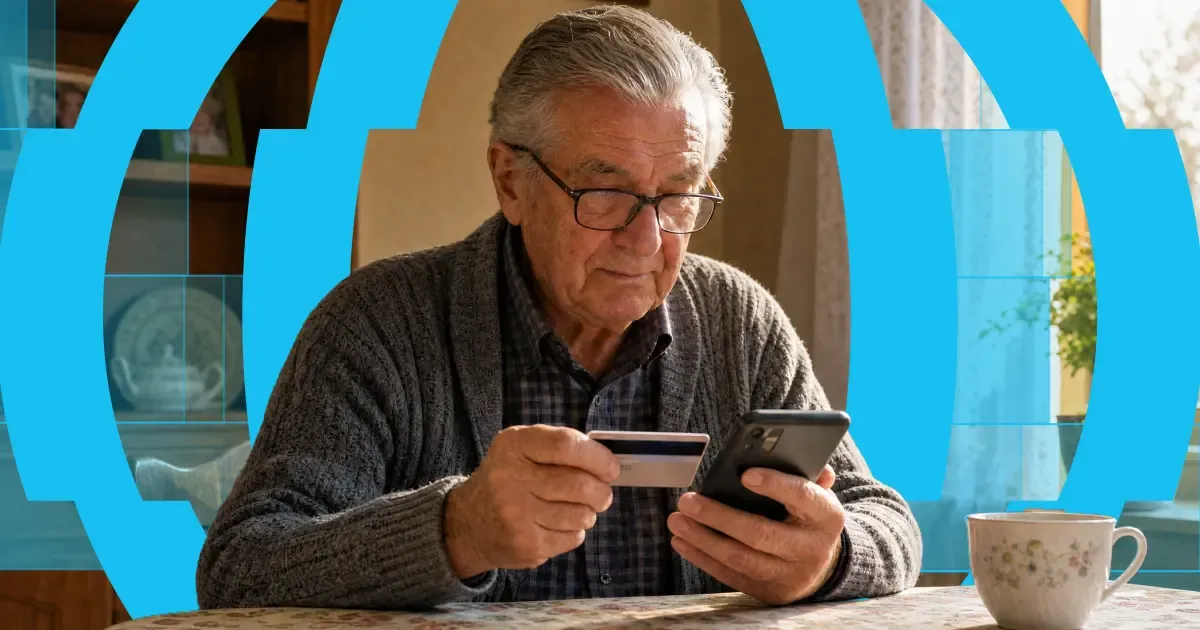
Here's the short answer: yes, you can use a credit card to get money into someone's bank account abroad. "Credit card to bank transfer" means exactly that — you fund the transfer with your credit card, and your recipient receives it in their bank account. Or on their card, in their wallet, or as cash to collect, depending on where they are.
The card and the bank account do different jobs. Your card pays for the transfer. A provider like Paysend then pays the money out through local systems on the other end. It's one flow, and it takes about a minute in the app.
One thing worth knowing before you start: a credit card is usually the most expensive way to fund a transfer. Some issuers treat it as a cash advance, and credit tends to carry higher payment fees than debit. You'll always see the full cost, exchange rate included, before you confirm anything. What follows is: the ways your money can arrive, what each one costs, how fast it gets there, and the cheaper routes worth checking first.

Mỗi tháng, hàng nghìn người làm việc tại Séc gửi một phần lương về nhà — nhiều người trong số đó là người Ukraine đang hỗ trợ gia đình ở bên kia biên giới. Và cách làm truyền thống lại khiến việc vốn đơn giản trở nên phức tạp hơn: chuyển khoản ngân hàng yêu cầu mã IBAN và SWIFT, phí chỉ hiện ra sau khi tiền đã được gửi đi, và nhiều ngày chờ đợi trong khi ai đó ở nhà đang trông chờ vào khoản tiền ấy.
Pavel Štich đã nhiều năm giúp độc giả của mình giải quyết đúng vấn đề này. Anh là Đồng sáng lập kiêm Tổng biên tập mảng tài chính tại Moneyo.cz — nền tảng độc lập của Séc chuyên so sánh các dịch vụ chuyển tiền, các công ty môi giới chứng khoán và các kênh đầu tư thay thế — đồng thời là Đại sứ Paysend, nghĩa là anh đích thân trải nghiệm mọi thứ mình giới thiệu, giải thích rõ ràng và mang đến cho độc giả những ưu đãi độc quyền. Chúng tôi đã hỏi anh về sự ra đời của Moneyo, ai là độc giả của trang, và vì sao anh chọn Paysend.


