Can You Use US Money in Aruba?

Travelling to Aruba and wondering if you need to exchange your dollars before you land? Here’s the simple answer: yes, you can use US money in Aruba almost everywhere.
Why are US dollars accepted in Aruba?
Although the island’s official currency is the Aruban Florin (AWG), the US dollar plays such a big role in everyday life that it’s practically a second currency. That’s because:
- Aruba’s economy is heavily linked to tourism from the United States.
- The florin is pegged to the dollar at a fixed rate (about Afl. 1.79 = USD 1.00).
- Many businesses price goods in both florins and dollars to keep things simple for visitors.
So whether you’re paying for a taxi, buying groceries, or settling your hotel bill, USD is almost always accepted.
Will you ever need Aruban Florins?
In short, sometimes. For most tourist-focused purchases, dollars are fine. But:
- Small local shops and food stalls might prefer florins.
- You could receive change back in florins even if you paid in dollars.
- Public buses and smaller services are easier to pay in local currency.
Tip: ATMs in Aruba dispense both US dollars and florins, so you can decide which works best for you.
Everyday money tips for Aruba
- Bring smaller bills: Large USD notes aren’t always easy to break.
- Check the price label: Many restaurants and stores show prices in both USD and AWG.
- Card-friendly island: Credit and debit cards are widely accepted, so cash isn’t always necessary.
- Exchange isn’t urgent: No need to hunt for exchange desks before your trip — your dollars will be fine.
Enjoy your holiday
You don’t need to worry about converting all your cash before visiting Aruba. US dollars are widely accepted, and the fixed exchange rate makes it straightforward to switch between dollars and florins when needed.
If you’re supporting family in Aruba, Paysend makes it easy to send money straight to cards and bank accounts – so your loved ones can spend in dollars or florins without extra hassle.
The educational materials on this site are provided for informational purposes only and do not reflect the opinions of Central Bank of Kansas City, Member FDIC. Educational materials may contain links to content on third-party websites, which are provided for your convenience; please note that linked sites may have a privacy and security policy different from our own, and we cannot attest to the accuracy of information.
The Central Bank of Kansas City does not guarantee nor expressly endorse any particular business, product, service, or third-party content.
Bài viết mới nhất
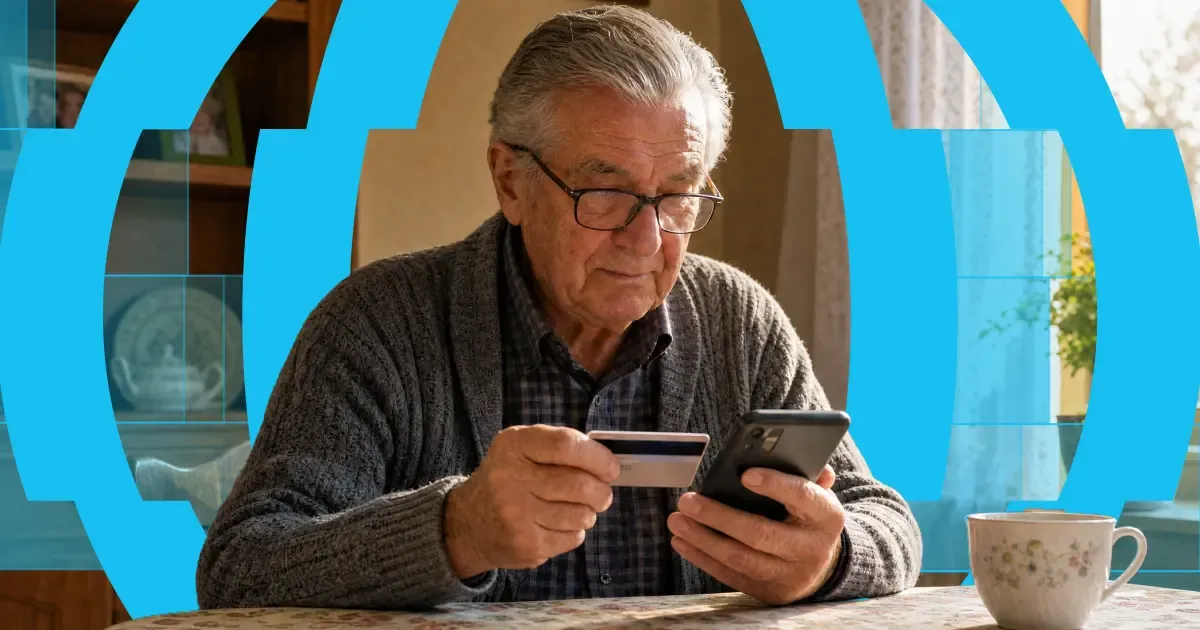
Here's the short answer: yes, you can use a credit card to get money into someone's bank account abroad. "Credit card to bank transfer" means exactly that — you fund the transfer with your credit card, and your recipient receives it in their bank account. Or on their card, in their wallet, or as cash to collect, depending on where they are.
The card and the bank account do different jobs. Your card pays for the transfer. A provider like Paysend then pays the money out through local systems on the other end. It's one flow, and it takes about a minute in the app.
One thing worth knowing before you start: a credit card is usually the most expensive way to fund a transfer. Some issuers treat it as a cash advance, and credit tends to carry higher payment fees than debit. You'll always see the full cost, exchange rate included, before you confirm anything. What follows is: the ways your money can arrive, what each one costs, how fast it gets there, and the cheaper routes worth checking first.

Mỗi tháng, hàng nghìn người làm việc tại Séc gửi một phần lương về nhà — nhiều người trong số đó là người Ukraine đang hỗ trợ gia đình ở bên kia biên giới. Và cách làm truyền thống lại khiến việc vốn đơn giản trở nên phức tạp hơn: chuyển khoản ngân hàng yêu cầu mã IBAN và SWIFT, phí chỉ hiện ra sau khi tiền đã được gửi đi, và nhiều ngày chờ đợi trong khi ai đó ở nhà đang trông chờ vào khoản tiền ấy.
Pavel Štich đã nhiều năm giúp độc giả của mình giải quyết đúng vấn đề này. Anh là Đồng sáng lập kiêm Tổng biên tập mảng tài chính tại Moneyo.cz — nền tảng độc lập của Séc chuyên so sánh các dịch vụ chuyển tiền, các công ty môi giới chứng khoán và các kênh đầu tư thay thế — đồng thời là Đại sứ Paysend, nghĩa là anh đích thân trải nghiệm mọi thứ mình giới thiệu, giải thích rõ ràng và mang đến cho độc giả những ưu đãi độc quyền. Chúng tôi đã hỏi anh về sự ra đời của Moneyo, ai là độc giả của trang, và vì sao anh chọn Paysend.


