Inside the India & Nepal Corridors: What Our Users Are Telling Us - By Paysend’s South Asia Regional Lead
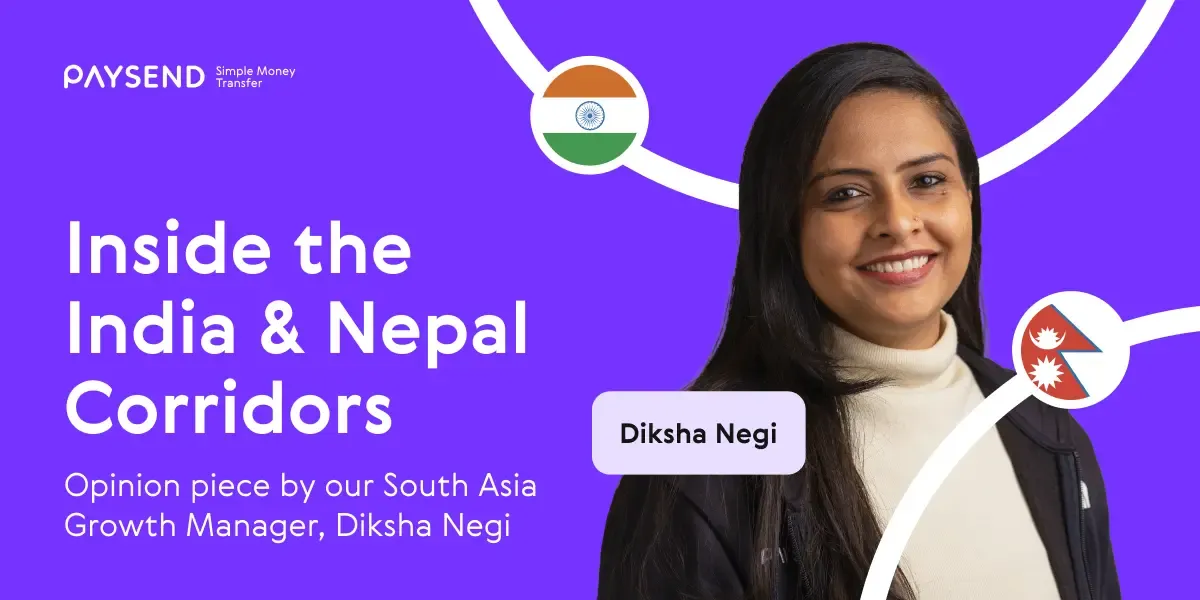
Few regions illustrate the power of remittances better than India and Nepal.
In India and Nepal corridors, remittances are not a discretionary financial activity — they are part of daily life. What we see consistently is that users arrive with high intent and very little patience for friction. It's critical to have a fast, clear, and trustworthy user experience.
And over the past year, we’ve seen clear patterns emerge from our growing user base.
What We’re Seeing on the Ground
First, usage is rising. Paysend is experiencing strong growth in monthly active users across India and Nepal — a sign that people are actively choosing digital, app-based transfers over slower or more expensive alternatives.
Second, seasonality matters:
- Transfers spike around school terms, festivals, and major holidays
- There’s consistent demand at the start of the year, when families plan budgets and expenses
- Speed becomes especially critical during festivals and emergencies
Third, mobile-first behaviour is the norm. Users expect transfers to work instantly, clearly, and without the need for branches or paperwork. If it’s not simple, they move on.
Why Paysend Fits These Corridors
What’s driving adoption isn’t just cost — it’s confidence:
- Confidence that money will arrive quickly
- Confidence in transparent exchange rates
- Confidence that the app will work when it’s most needed
For families in India and Nepal, remittances are about stability. Paysend’s role is to support that stability — quietly, reliably, and at scale.
Looking Ahead
As these corridors continue to grow, our focus remains the same: listen closely to user behaviour, remove friction where it matters most, and build experiences that people trust with something deeply personal — supporting their families.
And for those sending regularly, we make sure to give back — with offers, promotions, and giveaways throughout the year.
Follow @Paysend on Instagram to stay in the loop.
Because behind every transfer is a family — and that’s what drives everything we do.
The educational materials on this site are provided for informational purposes only and do not reflect the opinions of Central Bank of Kansas City, Member FDIC. Educational materials may contain links to content on third-party websites which are provided for your convenience; please note that linked sites may have a privacy and security policy different from our own, and we cannot attest to the accuracy of information. The Central Bank of Kansas City does not guarantee nor expressly endorse any particular business, product, service, or third-party content.
Bài viết mới nhất
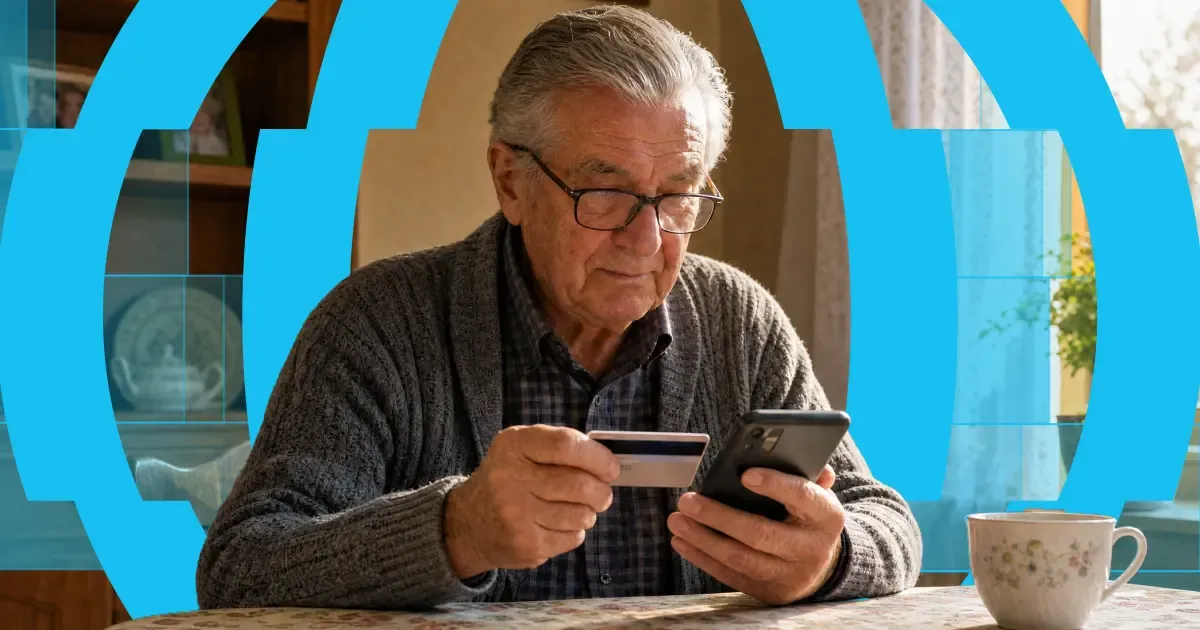
Here's the short answer: yes, you can use a credit card to get money into someone's bank account abroad. "Credit card to bank transfer" means exactly that — you fund the transfer with your credit card, and your recipient receives it in their bank account. Or on their card, in their wallet, or as cash to collect, depending on where they are.
The card and the bank account do different jobs. Your card pays for the transfer. A provider like Paysend then pays the money out through local systems on the other end. It's one flow, and it takes about a minute in the app.
One thing worth knowing before you start: a credit card is usually the most expensive way to fund a transfer. Some issuers treat it as a cash advance, and credit tends to carry higher payment fees than debit. You'll always see the full cost, exchange rate included, before you confirm anything. What follows is: the ways your money can arrive, what each one costs, how fast it gets there, and the cheaper routes worth checking first.
Mỗi tháng, hàng nghìn người làm việc tại Séc gửi một phần lương về nhà — nhiều người trong số đó là người Ukraine đang hỗ trợ gia đình ở bên kia biên giới. Và cách làm truyền thống lại khiến việc vốn đơn giản trở nên phức tạp hơn: chuyển khoản ngân hàng yêu cầu mã IBAN và SWIFT, phí chỉ hiện ra sau khi tiền đã được gửi đi, và nhiều ngày chờ đợi trong khi ai đó ở nhà đang trông chờ vào khoản tiền ấy.
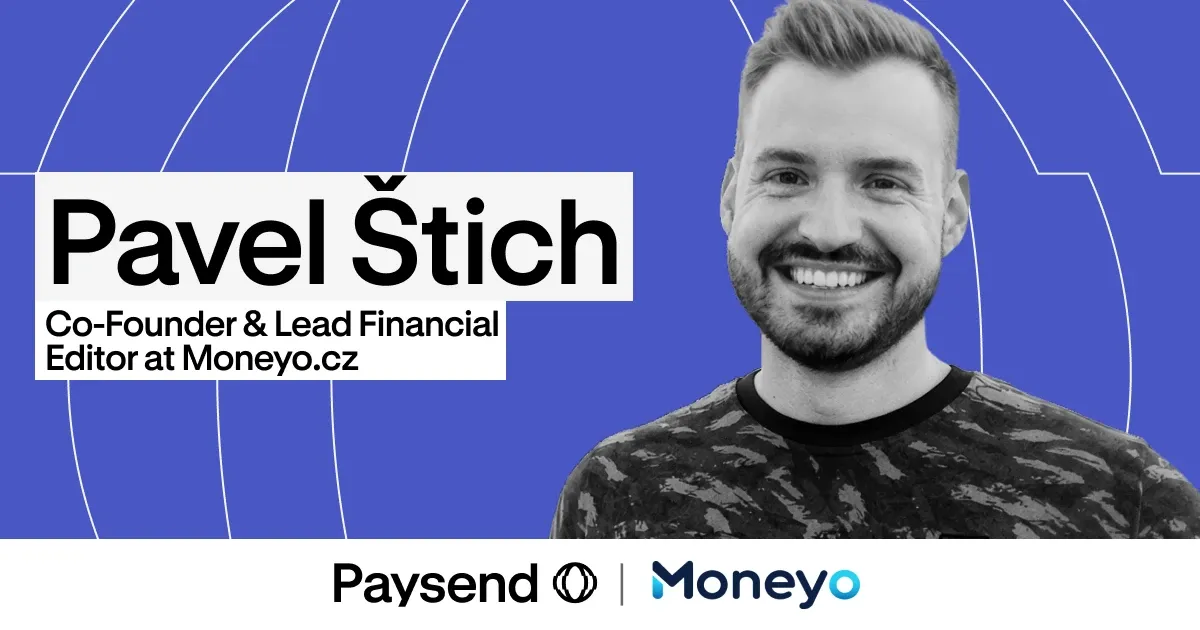
Pavel Štich đã nhiều năm giúp độc giả của mình giải quyết đúng vấn đề này. Anh là Đồng sáng lập kiêm Tổng biên tập mảng tài chính tại Moneyo.cz — nền tảng độc lập của Séc chuyên so sánh các dịch vụ chuyển tiền, các công ty môi giới chứng khoán và các kênh đầu tư thay thế — đồng thời là Đại sứ Paysend, nghĩa là anh đích thân trải nghiệm mọi thứ mình giới thiệu, giải thích rõ ràng và mang đến cho độc giả những ưu đãi độc quyền. Chúng tôi đã hỏi anh về sự ra đời của Moneyo, ai là độc giả của trang, và vì sao anh chọn Paysend.


