Planned purchases vs. impulse buying. How to give in wisely to the temptation of immediate gratification

Imagine walking by a nicely decorated storefront. Say, it's a sports shop. And you wouldn't mind updating your footwear.
Curious, you go inside and chat with the salesman. Why not try on these shoes? They're soft and ideal for those long runs. And, they seem to be just the thing. Would you buy them right away or search for a better offer?
Planned purchases
They make up part of the budget. We consider our planned purchases upfront and can easily track their cost at the end of the month. What’s more, when planning a purchase, we have time to find a better offer.
Impulsive spending
Irresistible. Charming. Immediately satisfying and hard to keep track of. Ever so often — unnecessary. That is impulsive buying. We know full well that once in a while, we may give in to the temptation of immediate gratification. As such, we can predict and plan impulse buying, too.
Why plan impulse buying — 3 steps to take spontaneous spending under control
It’s a challenge to keep track of spontaneous spending. So, ultimately, we do not know where the money goes. It leads to the inability to control and correct our spending habits when and if necessary. What’s worse, we may end up in debt at the end of the month.
When included in the monthly budget, impulse buys become a bit more controlled and no less spontaneous. Let’s see how to take impulse buying under control.
1. Keep track of your spending
Know where the money goes and be able to change your spending habits when necessary. Take the habit of writing down each expense. It is challenging in the beginning, but it quickly becomes a healthy habit.
2. Set a limit and don't overspend
Determine which impulse buys you make most often, exclude the ones you can do without, and compare the amount left with the budget. Limit the amount you spend on spontaneous purchases to no more than 30% of your monthly budget.
3. Set aside the money you save
Invest the money saved in long term financial goals to avoid borrowings in the future.
Instead of fighting the temptation, you may give in to it wisely while improving your financial habits.
Planned or spontaneous: how online money transfers with Paysend can save you time and money
International money transfers help support our families and loved ones back home. Money transfers are also best taken into account upfront when planning the monthly budget.
Regular or recurring, online money transfers are quicker and more cost-efficient than offline transfers. Paysend is an online money transfer service that helps its customers make transfers to over 150 countries.
Paysend offers a user-friendly app and transparent terms and conditions for money transfers:
- Flat fees on international money transfers
- Service transparency — you see all the information about your transfer
- Instant processing and fast delivery — 95% of transfers with Paysend reach the recipient within seconds
- Guaranteed security of transactions and personal details
- 24x7 online support
- More than 150 countries to send money to, various methods of sending and receiving money
Getting started with Paysend is easy. Register on our website or via our mobile app for iOS, Android, and Huawei. Registration takes only a few minutes.
最新帖子
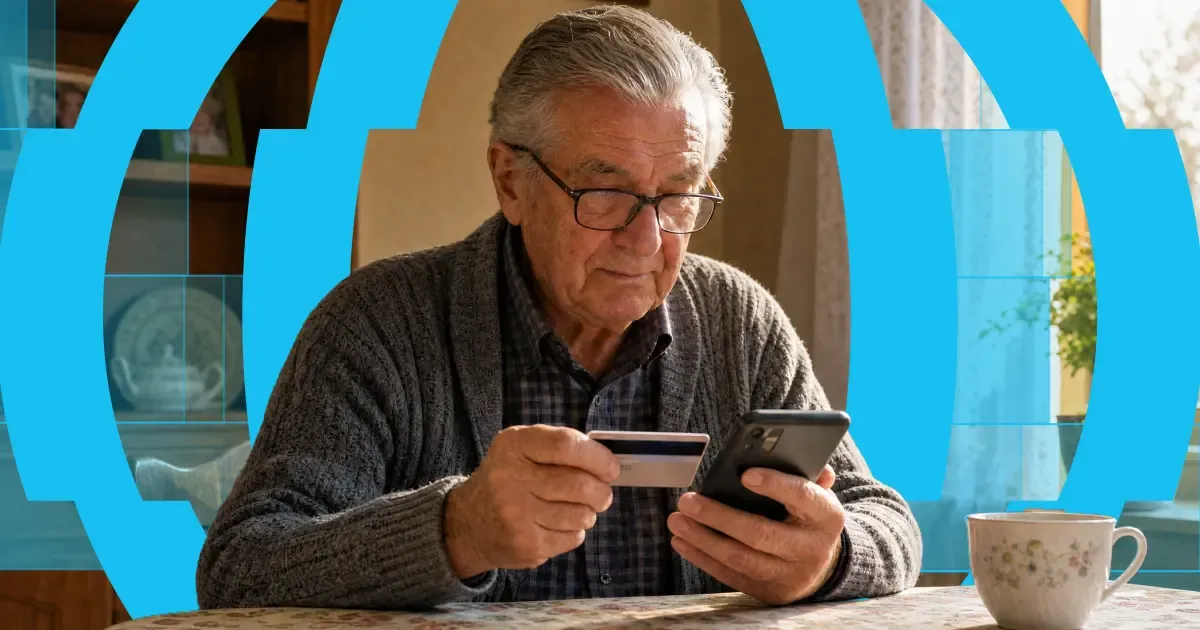
Here's the short answer: yes, you can use a credit card to get money into someone's bank account abroad. "Credit card to bank transfer" means exactly that — you fund the transfer with your credit card, and your recipient receives it in their bank account. Or on their card, in their wallet, or as cash to collect, depending on where they are.
The card and the bank account do different jobs. Your card pays for the transfer. A provider like Paysend then pays the money out through local systems on the other end. It's one flow, and it takes about a minute in the app.
One thing worth knowing before you start: a credit card is usually the most expensive way to fund a transfer. Some issuers treat it as a cash advance, and credit tends to carry higher payment fees than debit. You'll always see the full cost, exchange rate included, before you confirm anything. What follows is: the ways your money can arrive, what each one costs, how fast it gets there, and the cheaper routes worth checking first.

每个月,数以千计在捷克工作的人都会把部分工资寄回家——其中许多是支持着边境另一边家人的乌克兰人。而传统方式让本应简单的事情变得更复杂:银行汇款需要 IBAN 和 SWIFT 代码,手续费往往在钱汇出后才显现,还要等上好几天,而家里的人正等着这笔钱应急。
多年来,Pavel Štich 一直在帮助他的读者解决这个问题。他是 Moneyo.cz 的联合创始人兼财经主编——这是一个独立的捷克平台,专门比较汇款服务、股票经纪商和另类投资;同时他也是 Paysend 大使,这意味着他会亲自试用自己推荐的一切,用通俗易懂的方式讲解,并为读者带来专属福利。我们请他谈了谈 Moneyo 是如何诞生的、谁在阅读它,以及他为什么选择了 Paysend。


