How to Say Cheers in Polish

Whether you're travelling abroad, moving to a new country, or simply brushing up on cultural basics, learning how to say cheers in the local language is a simple but meaningful way to connect.
From raising a glass with friends on holiday to making a toast at a family dinner, this small gesture can leave a lasting impression. And if you're moving abroad or supporting loved ones who have, knowing how to blend in – even at the bar – can go a long way.
Let’s start with how to say cheers in Polish – it’s ‘Na zdrowie’ – but let’s take a look at how that’s pronounced…
How to Say Cheers in Polish
In Polish, the most common way to say cheers is:
“Na zdrowie” (pronounced: nah ZDROH-vyeh)
It literally translates to: “To your health”
You’ll hear this phrase in social settings, especially when clinking glasses over a shot of vodka, a beer or even during a festive family meal. It’s also used when someone sneezes – similar to “bless you” in English – so context is key.
Quick Tip:
Make eye contact when saying Na zdrowie – it's considered respectful and adds to the sincerity of the toast.
Why it matters
Poland is home to a large, welcoming diaspora – and many people living abroad keep traditions like this alive wherever they are. Whether you're travelling to Kraków, visiting family, or raising a glass with Polish friends overseas, knowing this one phrase shows thoughtfulness and cultural awareness.
And if you’re sending money to Poland to support loved ones back home, it’s these little connections — a word, a gesture, a shared tradition — that help keep you close.
Bonus: Cheers in Irish
You might be surprised how often this one comes in handy – because let’s face it, you can find an Irish bar in almost any corner of the world.
In Irish Gaelic, the word for cheers is:
“Sláinte” (pronounced: SLAWN-cha)
Translation: “Health”
You might also hear “Sláinte mhaith” (SLAWN-cha wah) which means “Good health.”
Whether you're toasting with new friends in Dublin or raising a glass in Sydney, Boston or Berlin, Sláinte is a word that follows the Irish diaspora everywhere. It’s a universal way to show respect and camaraderie — perfect for pub nights, St. Patrick’s Day, or any lively gathering.
Bonus: Cheers in Spanish
Spanish is one of the most widely spoken languages in the world, making this a must-know for travellers and expats alike.
In Spanish, you say:
“¡Salud!” (pronounced: sah-LOOD)
Translation: “Health”
It’s used just like in English – for toasts, and also when someone sneezes. Whether you're in Madrid, Mexico City or Miami, ¡Salud! is your go-to phrase for shared moments over wine, beer or even a cafecito.
Final sip: Why learn local toasts?
Learning a few phrases like Na zdrowie, Sláinte or ¡Salud! is more than just fun – it’s a sign of respect and openness. Whether you're on holiday, starting a new life abroad, or simply connecting with friends and family across borders, language creates bridges. And that matters.
Because it’s not just about what you say – it’s about how you say it. And sometimes, saying “cheers” in the local language is the easiest way to say, I’m with you.
Looking to transfer money to Poland? Do it with Paysend
Check out our related posts:
最新帖子
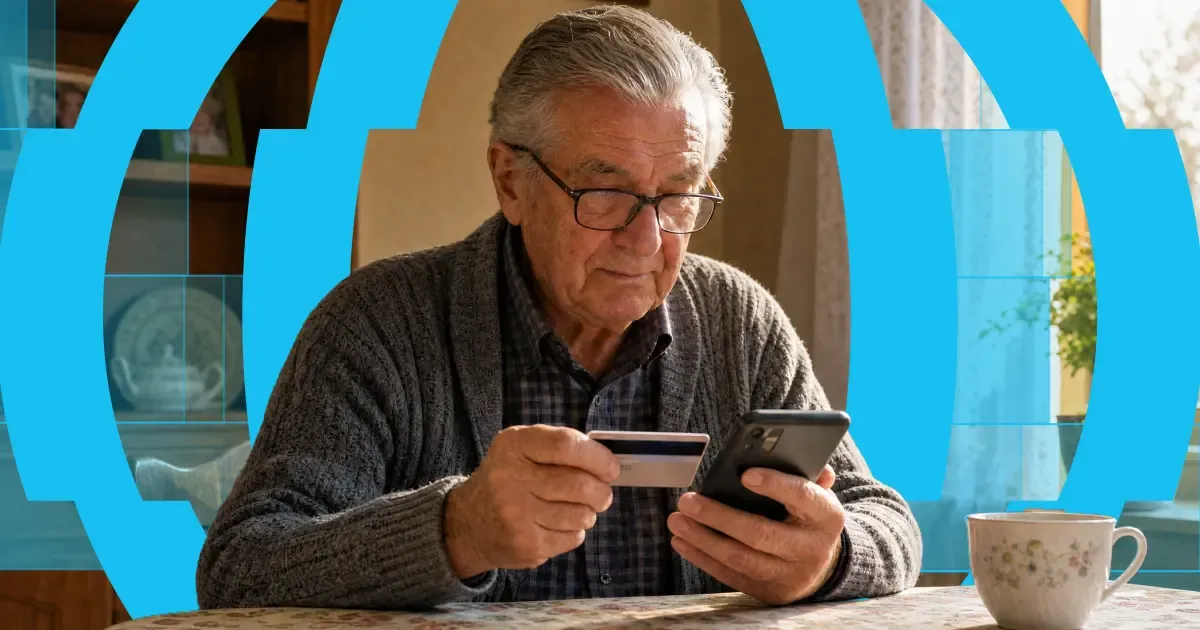
Here's the short answer: yes, you can use a credit card to get money into someone's bank account abroad. "Credit card to bank transfer" means exactly that — you fund the transfer with your credit card, and your recipient receives it in their bank account. Or on their card, in their wallet, or as cash to collect, depending on where they are.
The card and the bank account do different jobs. Your card pays for the transfer. A provider like Paysend then pays the money out through local systems on the other end. It's one flow, and it takes about a minute in the app.
One thing worth knowing before you start: a credit card is usually the most expensive way to fund a transfer. Some issuers treat it as a cash advance, and credit tends to carry higher payment fees than debit. You'll always see the full cost, exchange rate included, before you confirm anything. What follows is: the ways your money can arrive, what each one costs, how fast it gets there, and the cheaper routes worth checking first.

每个月,数以千计在捷克工作的人都会把部分工资寄回家——其中许多是支持着边境另一边家人的乌克兰人。而传统方式让本应简单的事情变得更复杂:银行汇款需要 IBAN 和 SWIFT 代码,手续费往往在钱汇出后才显现,还要等上好几天,而家里的人正等着这笔钱应急。
多年来,Pavel Štich 一直在帮助他的读者解决这个问题。他是 Moneyo.cz 的联合创始人兼财经主编——这是一个独立的捷克平台,专门比较汇款服务、股票经纪商和另类投资;同时他也是 Paysend 大使,这意味着他会亲自试用自己推荐的一切,用通俗易懂的方式讲解,并为读者带来专属福利。我们请他谈了谈 Moneyo 是如何诞生的、谁在阅读它,以及他为什么选择了 Paysend。


