构想未来。
阅读最新的 Paysend 文章
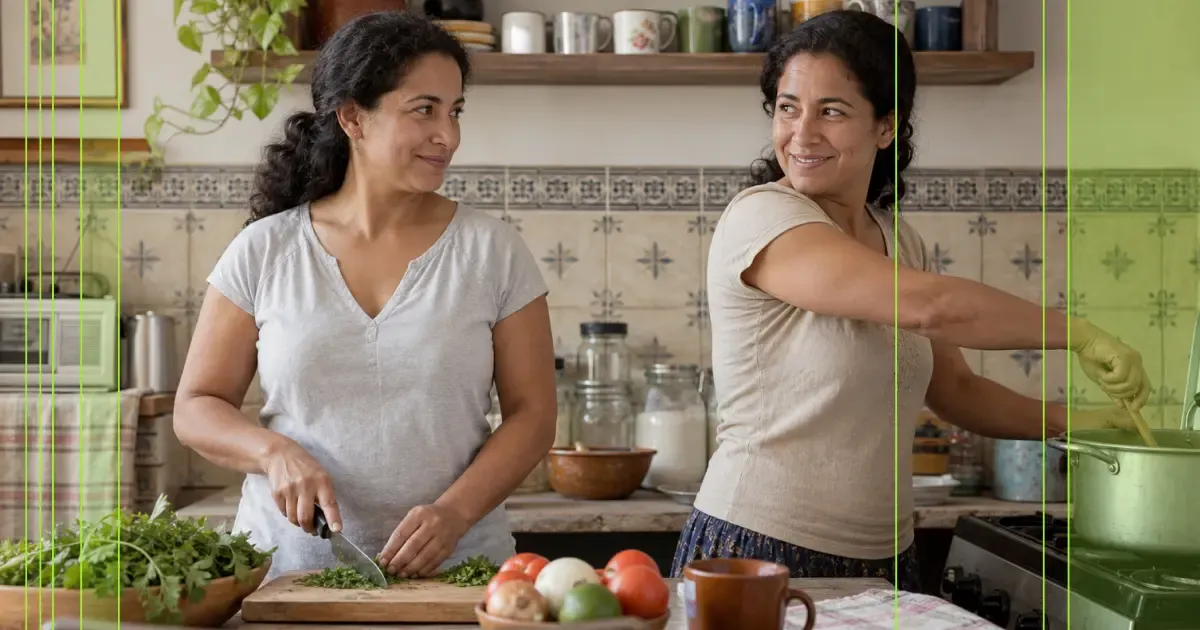
整个8月,Paysend 推荐奖励翻倍。邀请一位好友,每成功推荐一位即可获得 6 美元奖励,累计最高可获得 72 美元。活动时间为 8月1日至8月31日,活动期间所有符合条件的推荐都将自动享受双倍奖励。
平时,邀请好友加入 Paysend 就可以获得推荐奖励。今年8月,奖励直接翻倍。每位通过您的邀请链接注册并完成符合条件转账的好友,都将为您带来 6 美元奖励,而不是平时的 3 美元。您本月可获得的最高奖励也将从 36 美元提升至 72 美元。邀请好友非常简单,只需分享应用中的**「邀请好友」**链接即可。

Sending money digitally is quick and convenient, but it also involves important security, verification, and fraud prevention checks. In most cases these checks happen automatically in the background.
If you’ve ever wondered why Paysend asks you to verify your identity, why a transfer might be reviewed, or how your money is protected, the answer is simple: these processes are designed to keep you, your money, and your recipient safe.
Every digital money transfer relies on trust, regulation, and security systems working together. While these checks can sometimes feel like an extra step, they are a standard and essential part of how modern money transfers stay secure.
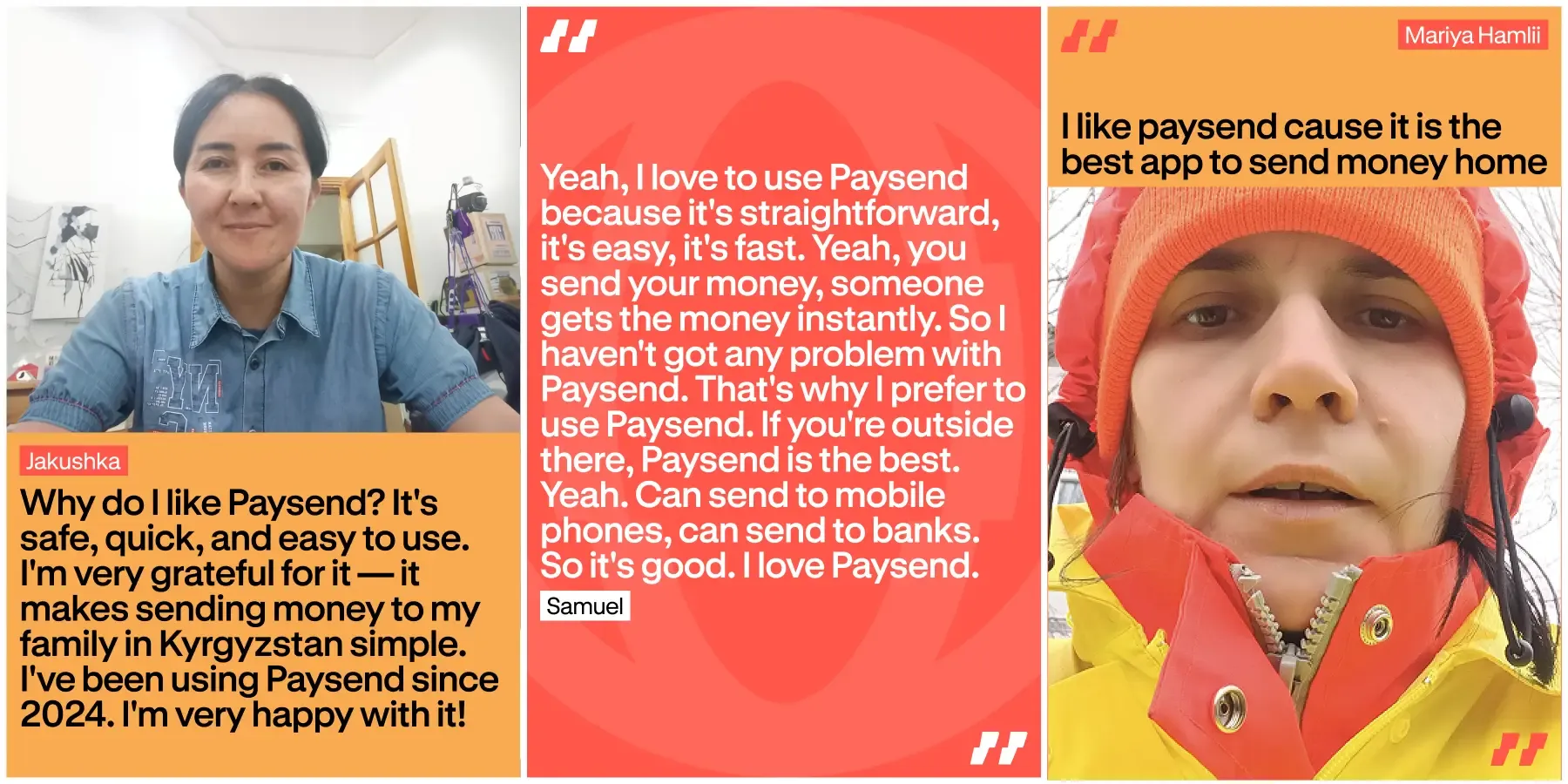
向海外汇款应该是轻松且安全的体验。使用 Paysend,人们知道他们的资金会快速到账且无压力。这不仅关乎速度——更关乎信任、安全,以及每一次都能顺利完成的确定性。
本文分享了真实客户的使用体验,以及可靠性为何在日常生活中如此重要。文章展示了用户如何评价 Paysend,以及该网络如何每天在全球范围内安全地转移资金。

Sending money abroad should feel simple, but if your international transfer is delayed or not received, it’s natural to wonder what went wrong.
International money transfers can be delayed, held, or returned for several reasons, most commonly due to compliance checks, missing information, processing cut-off times, or intermediary bank reviews. Industry reporting suggests that while the majority of transfers complete successfully, a small but meaningful share requires manual handling or additional processing, which can cause delays.
It’s important to understand that international money transfers involve multiple institutions, compliance checks, and settlement systems. Because of this, delays or exceptions are not unusual and are typically linked to process or regulatory requirements rather than technical failures or user mistakes.
With that in mind, this guide explains why international transfers may not be received as expected, how often this happens and what you can realistically do next.


