Excellence in Onboarding: Why Cross-Team Collaboration Matters

By Lisa Navarro, Head of Enterprise Operations at Paysend
In the world of cross-border payments, onboarding isn’t just a procedural step — it’s the foundation of a successful partnership. At Paysend Enterprise, our clients trust us with their most valuable asset: their ability to move money globally, securely, and efficiently. For me, that trust starts with how I bring them into our ecosystem.
As Head of Enterprise Operations, I see every onboarding journey — which we’re proud to typically complete in an impressive 2 weeks — as an opportunity to set the tone for the relationship, where operational excellence and true collaboration come together. I take this part of the process personally, because it’s where operational excellence and true collaboration first come together.
Beyond Compliance — Towards Partnership
Our onboarding process goes beyond ticking boxes - it’s designed to ensure every partner is fully verified, compliant, and ready to scale with us.
That means our Onboarding team works together with Sales and Compliance from the very start. While Sales focuses on understanding the client’s needs and structuring the right solution — whether it’s our cross-border API, Instant Settlement Account, or Embed solution — the Onboarding team ensures that all Know Your Business (KYB) requirements are met in full, while maintaining a smooth and transparent journey.
Excellence Through Communication
In B2B, information flow is everything. At Paysend Enterprise, we’ve built cross-functional routines and feedback loops that keep Operations, Compliance, and Sales aligned — ensuring we anticipate issues before they arise, align on expectations, and keep clients informed at every step. It’s something I champion every day.
Continuous Improvement as a Mindset
Our goal is not only to meet best practice but to define it. Every client we onboard adds to our collective experience — helping us refine our processes, expand our due diligence playbooks, introduce smarter automation, and raise the bar for what “excellent onboarding” looks like in global payments.
The Result: A Trusted Foundation for Growth
The result is more than an onboarding process — we create a foundation for growth. That foundation allows our clients to access over 100 corridors and 80+ currencies, knowing their operations are underpinned by the same standards of trust and diligence that define Paysend Enterprise.
Because for me and my team, onboarding isn’t about paperwork. It’s about setting the stage for success — together.
The materials on this blog are provided for informational purposes only and do not reflect the opinions of Central Bank of Kansas City, Member FDIC. Blog posts may contain links to content on third-party websites, which are provided for your convenience; please note that linked sites may have a privacy and security policy different from our own, and we cannot attest to the accuracy of information. The Central Bank of Kansas City does not guarantee nor expressly endorse any particular business, product, service, or third-party content.
最新帖子
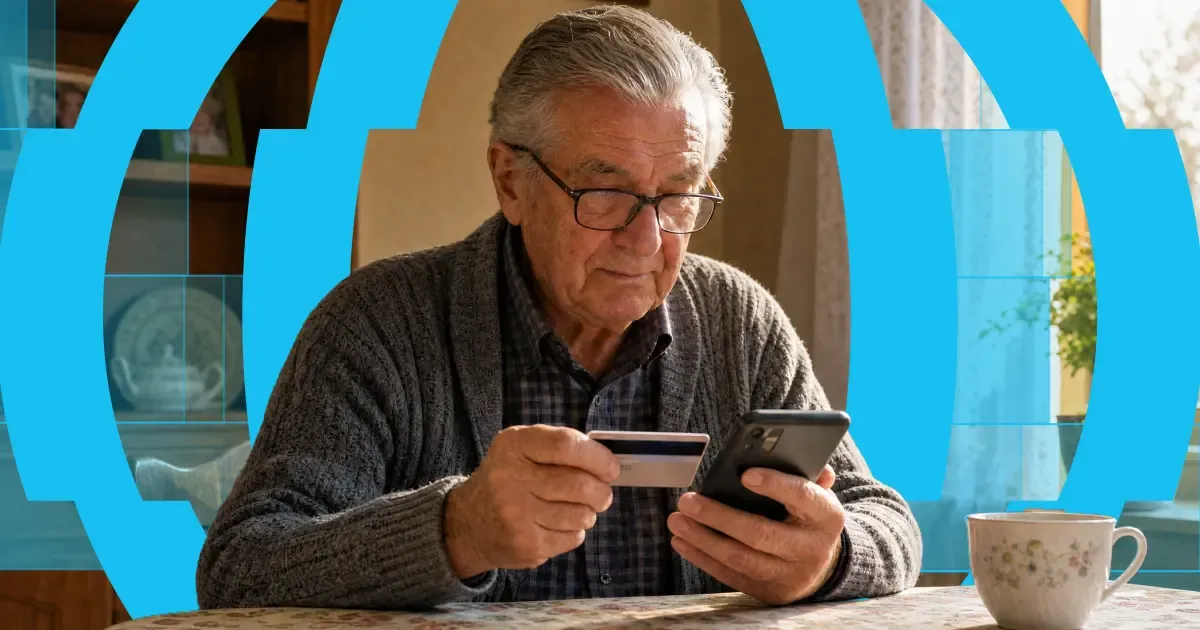
Here's the short answer: yes, you can use a credit card to get money into someone's bank account abroad. "Credit card to bank transfer" means exactly that — you fund the transfer with your credit card, and your recipient receives it in their bank account. Or on their card, in their wallet, or as cash to collect, depending on where they are.
The card and the bank account do different jobs. Your card pays for the transfer. A provider like Paysend then pays the money out through local systems on the other end. It's one flow, and it takes about a minute in the app.
One thing worth knowing before you start: a credit card is usually the most expensive way to fund a transfer. Some issuers treat it as a cash advance, and credit tends to carry higher payment fees than debit. You'll always see the full cost, exchange rate included, before you confirm anything. What follows is: the ways your money can arrive, what each one costs, how fast it gets there, and the cheaper routes worth checking first.

每个月,数以千计在捷克工作的人都会把部分工资寄回家——其中许多是支持着边境另一边家人的乌克兰人。而传统方式让本应简单的事情变得更复杂:银行汇款需要 IBAN 和 SWIFT 代码,手续费往往在钱汇出后才显现,还要等上好几天,而家里的人正等着这笔钱应急。
多年来,Pavel Štich 一直在帮助他的读者解决这个问题。他是 Moneyo.cz 的联合创始人兼财经主编——这是一个独立的捷克平台,专门比较汇款服务、股票经纪商和另类投资;同时他也是 Paysend 大使,这意味着他会亲自试用自己推荐的一切,用通俗易懂的方式讲解,并为读者带来专属福利。我们请他谈了谈 Moneyo 是如何诞生的、谁在阅读它,以及他为什么选择了 Paysend。


