From Ballads to Bank Transfers: Why Eurovision and International Connections Still Steal the Show

While you dust off your Eurovision 2024 scorecard to check how the countries ranked, one thing’s for sure: Eurovision continues to bring people together like no other event. Whether you're comparing the wildest outfits or rewatching your favorites on YouTube, the Eurovision Song Contest is a yearly celebration of unity, sequins, and sometimes… surprisingly catchy tunes.
Every May, Europe turns up the volume, grabs the glitter, and settles in for one of the continent’s most iconic traditions: Eurovision. Since 1956, the contest has been bringing together countries from across Europe – and beyond – to celebrate music, culture, and a little friendly competition.
But Eurovision is about more than just key changes and pyrotechnics. It’s about connection. Families and friends cheering for their home country from opposite sides of the globe. Expats tuning in from afar. A shared moment that brings people closer, wherever they live.
Sound familiar? We think so too.
A quick look back at Eurovision
It all started in Switzerland, when just seven countries took part in the first Eurovision Song Contest. Fast-forward nearly 70 years, and the show now draws in over 40 nations and millions of viewers around the world.
Over the years, we’ve had the highs (Sweden’s many wins, Ukraine’s powerful entries) and the lows (yes, the infamous nul points). From Eurovision favourites like Loreen and Måneskin to offbeat acts that become viral legends, the contest never fails to surprise.
Still wondering who won Eurovision 2024? Spoiler alert: it’s never just about the winner. It's about the chaos, the camaraderie, and the joy of everyone shouting “12 points!” at their screen.
Eurovision 2025: what’s next?
So, when is Eurovision 2025? And what time does Eurovision start? It’s a bit early for the full Eurovision running order, but fans are already eyeing up the Eurovision Big 5 and making guesses about the next breakout act.
And with Eurovision tickets in high demand year after year, now’s the time to start planning for your next glitter-fuelled viewing party.
Wherever you're tuning in from, one thing’s guaranteed: Eurovision makes the continent feel a little more connected — even if half the audience is arguing about key changes and staging.
Making connections that matter (and money that moves)
Just like Eurovision builds bridges through music, Paysend helps people stay connected across borders – especially when you need to send money internationally.
Whether you’re supporting family, paying rent abroad, or just sending a birthday gift, our international money transfer services are designed to make your life easier.
- Transfer money internationally in just a few taps
- No hidden fees, just great rates
- Real-time delivery to bank accounts, cards and wallets
- Available in 170+ countries
Still asking how to transfer money internationally or how long does international money transfer take? With Paysend, it’s faster than the average Eurovision performance—and a lot more secure.
Eurovision and Paysend: a love song for Europe
Whether you're watching from Warsaw, Madrid or Manchester, Eurovision is a celebration of difference, drama, and delight. It’s weird, it’s wonderful, and it makes you feel connected—no matter where you are.
And if you're sending money while belting out ballads or marking off your Eurovision bingo card? Paysend makes it simple.
最新帖子

Sending money digitally is quick and convenient, but it also involves important security, verification, and fraud prevention checks. In most cases these checks happen automatically in the background.
If you’ve ever wondered why Paysend asks you to verify your identity, why a transfer might be reviewed, or how your money is protected, the answer is simple: these processes are designed to keep you, your money, and your recipient safe.
Every digital money transfer relies on trust, regulation, and security systems working together. While these checks can sometimes feel like an extra step, they are a standard and essential part of how modern money transfers stay secure.
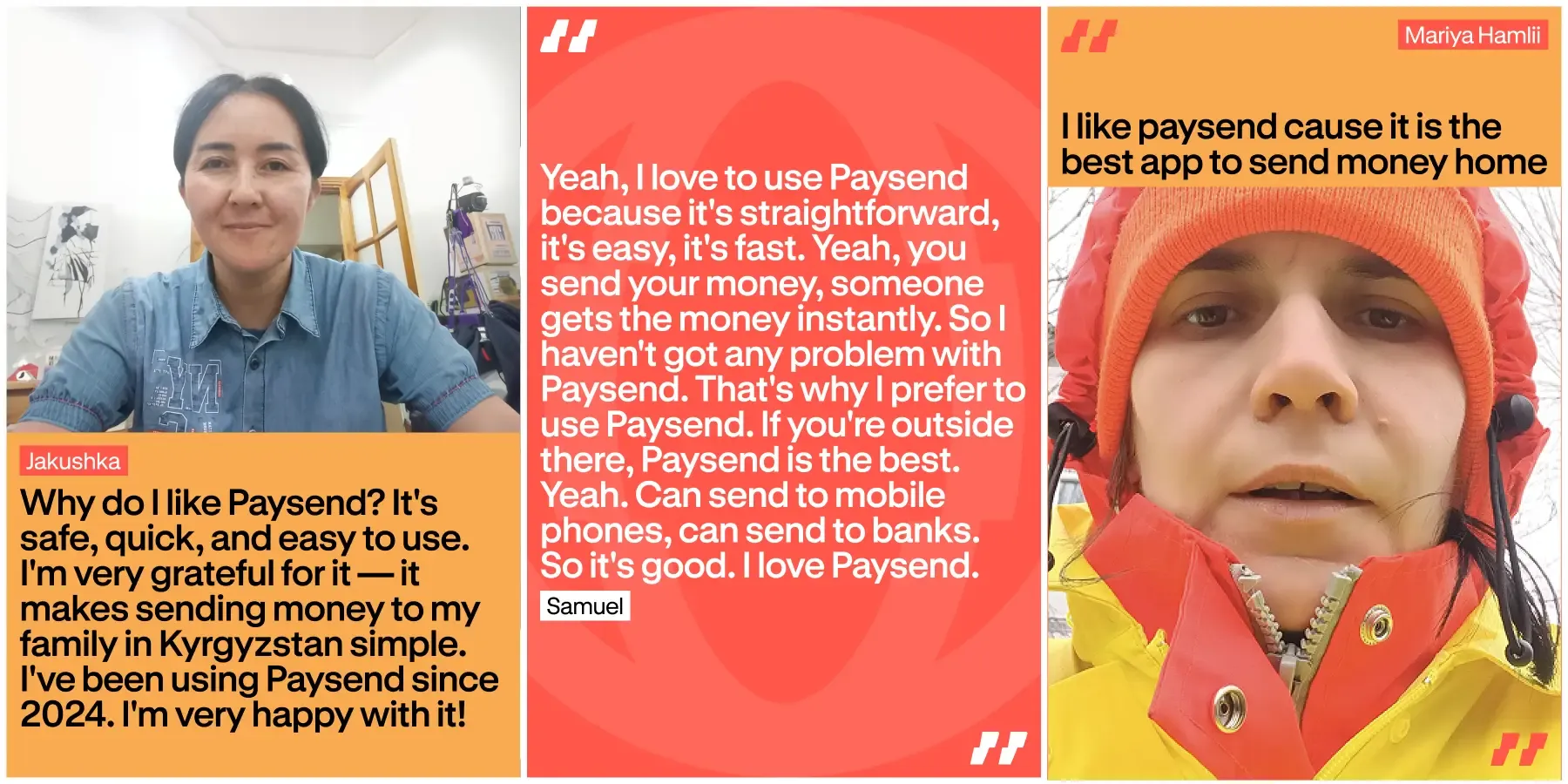
向海外汇款应该是轻松且安全的体验。使用 Paysend,人们知道他们的资金会快速到账且无压力。这不仅关乎速度——更关乎信任、安全,以及每一次都能顺利完成的确定性。
本文分享了真实客户的使用体验,以及可靠性为何在日常生活中如此重要。文章展示了用户如何评价 Paysend,以及该网络如何每天在全球范围内安全地转移资金。


