Improved FX rates to Brazil: How to Send Money to Brazil from the UK and Europe

At Paysend, we’re committed to making international money transfers fast, secure and low-cost – and now, sending money to Brazil just got even better. We’ve introduced improved FX rates for transfers in GBP and EUR, helping you get more Brazilian reais (BRL) every time you send. Whether you're supporting family or just keeping in touch across borders, it's now even more affordable to transfer money to Brazil from Portugal, the UK or anywhere in Europe.
Not only that, you can now send to Brazil via Pix and all major banks, increasing your sending options, and helping your recipients receive their transfers in a way that’s convenient to them.
New FX rates for transfers to Brazil
From 17 March 2025, you’ll benefit from better exchange rates when you send money to Brazil from the UK or Europe. That means more BRL for every pound or euro sent – ideal if you're looking for the best way to transfer money internationally.
Here’s an example of what your recipient might receive using our improved FX rate (in GBP):
| Send amount | Recipient gets |
|---|---|
| 100 GBP | 718.93 BRL |
| 250 GBP | 1808.22 BRL |
| 500 GBP | 3623.71 BRL |
| 1,000 GBP | 7254.69 BRL |
Exchange rates vary, so check the Paysend app for real-time figures.
How to send money to Brazil with Paysend
Whether you're sending money from Portugal, the UK or another country in Europe, the process is fast, secure and easy:
- Log in or create a Paysend account (it only takes a minute)
- Select Brazil as your recipient country
- Choose how you want to send: via Pix, bank account or bank card
- Enter the recipient’s details and transfer purpose
- Select the amount you want to send
- Select your funding method
- Review the exchange rate and fee before confirming
- Confirm and Send – and your transfer is on its way
Migration from Brazil to Europe
Over the past decade, thousands of Brazilians have moved to Europe seeking work, education and new opportunities. Portugal has become a key destination due to its shared language and strong cultural ties, while Spain, Germany and Italy have also welcomed growing Brazilian communities.
Many Brazilians living in Europe regularly send money home to help their family or cover essential expenses. That’s why choosing a great money transfer service is key.
Why choose Paysend?
If you’re comparing remittance services from Portugal to Brazil or looking for the cheapest way to transfer money to Brazil, here’s why Paysend stands out:
- Improved FX rates – so you get more BRL for your money
- Low-cost money transfer – just £1 or €1.50 per transaction
- Speed and simplicity – most transfers arrive in minutes
- Secure and regulated – with bank-level security and certifications from Visa and Mastercard
- No hidden fees – you’ll always see the full cost upfront
All of these factors make Paysend one of the best apps to send money from Portugal to Brazil. Whether you’re sending money to Brazil from Portugal, the UK or another part of Europe, Paysend is the smarter choice for fast, secure, low-cost and easy transfers.
最新帖子

Sending money abroad shouldn't mean queuing in a bank branch and filling out forms with codes you may never have heard of. An international money transfer moves your money from your account, card, or wallet in the US to someone else's account, card, or wallet in another country, and, above all, it should be simple, transparent, and reliable enough that you don't have to think twice about it.
Whether you're supporting family back home, paying for something abroad, or sending a gift for a birthday you can't be there for in person, the reason you're sending matters more than the mechanics. If you're new to Paysend, your first transfer comes with zero fee and a special exchange rate, so more of what you send actually arrives, and we'll show you how to claim it.
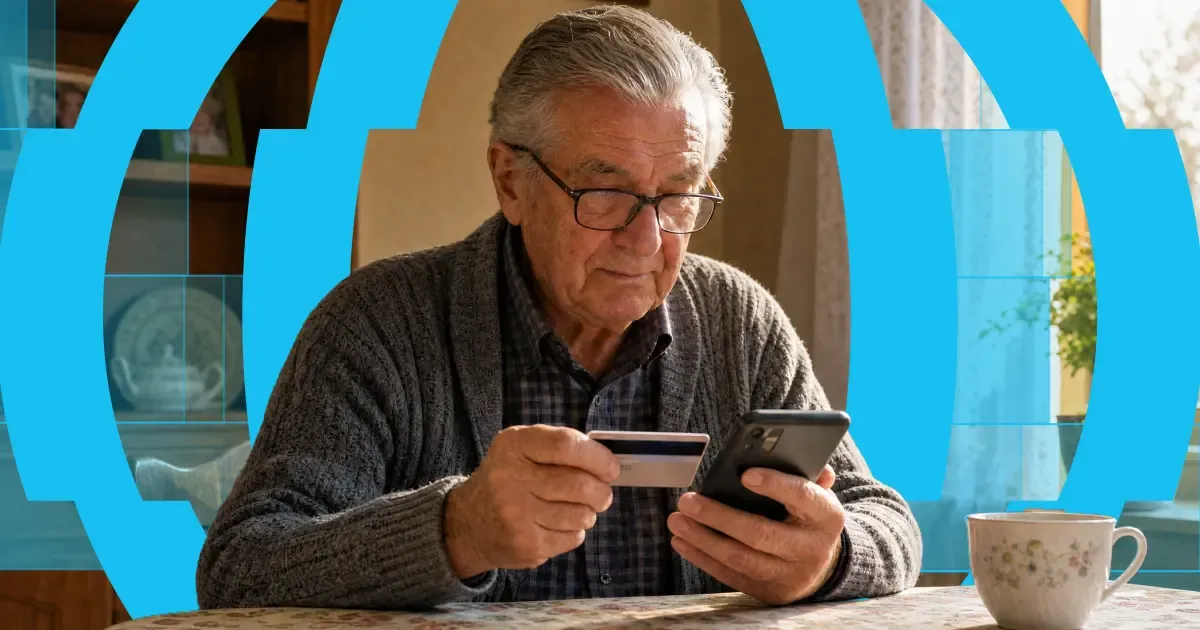
Here's the short answer: yes, you can use a credit card to get money into someone's bank account abroad. "Credit card to bank transfer" means exactly that — you fund the transfer with your credit card, and your recipient receives it in their bank account. Or on their card, in their wallet, or as cash to collect, depending on where they are.
The card and the bank account do different jobs. Your card pays for the transfer. A provider like Paysend then pays the money out through local systems on the other end. It's one flow, and it takes about a minute in the app.
One thing worth knowing before you start: a credit card is usually the most expensive way to fund a transfer. Some issuers treat it as a cash advance, and credit tends to carry higher payment fees than debit. You'll always see the full cost, exchange rate included, before you confirm anything. What follows is: the ways your money can arrive, what each one costs, how fast it gets there, and the cheaper routes worth checking first.


