The global Thanksgiving table: how different cultures add flavor to the holiday
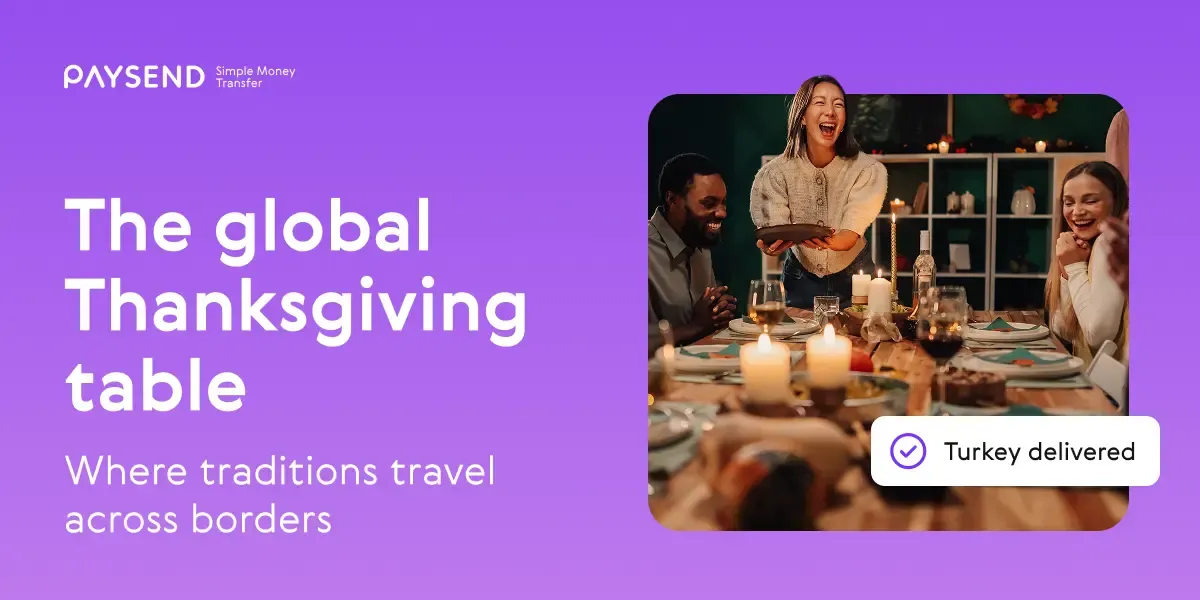
Thanksgiving may be rooted in North American tradition, but today it has grown into something much bigger. It has become a celebration of gratitude, togetherness, and shared meals for families around the world, especially for people who now live far from home. For many immigrants and international families in the United States and Canada, Thanksgiving is not just a holiday. It is a chance to blend cultures, preserve family traditions, and create new ones around the table.
This blog explores how families across the world adapt Thanksgiving in their own way, adding familiar flavors to a universal moment of appreciation.
A celebration shaped by migration
Millions of people who now celebrate Thanksgiving combine it with food and customs from their home countries. The result is something uniquely personal: a fusion of past and present. It is common to see rice next to mashed potatoes, tortillas alongside turkey, and plantains sharing a plate with pumpkin pie. For families who have made a home abroad, Thanksgiving becomes a way to keep cultural identity alive through food.
Mexican American kitchens: tamales meet turkey
In Mexican American households, Thanksgiving often comes with spice and nostalgia. Traditional dishes such as tamales, mole, and pozole regularly appear alongside the turkey. Some families even turn leftovers into turkey tamales the next day, wrapped in corn husks and filled with chilli. Salsa replaces gravy for many, and pumpkin pie might share the table with tres leches cake or flan. It is Thanksgiving with a Mexican soul.
Filipino-style Thanksgiving: flavor and family first
For many Filipino families living abroad, Thanksgiving is another chance to gather and share food. Lumpia, pancit and lechon often accompany the turkey. Filipino-style stuffing may include longganisa sausage, and rice is always part of the feast. Community is central to Filipino culture, so extended family and friends are usually invited too, making the celebration feel even more meaningful.
Caribbean warmth on a cold autumn day
From Jamaica to Trinidad, Caribbean families bring bold island flavors to Thanksgiving. Jerk turkey, curry goat, rice and peas, fried plantains and callaloo regularly appear at the table. Many Caribbean families include music as part of the day, moving easily from cooking to dancing. Thanksgiving becomes more than a meal. It becomes a joyful reminder of home.
South Asian twists: spice, color, and heritage
For Indian, Pakistani and Bangladeshi families, Thanksgiving takes on a vibrant identity. Roast turkey is often marinated in yoghurt and spices, creating a tandoori-style flavor. Instead of traditional stuffing, you might find biryani or keema naan. Daal, samosas and chutneys add color and warmth to the table. Dessert might include gulab jamun or kheer alongside pumpkin pie.
A universal message: gratitude travels across borders
No matter where people come from or what language they speak, Thanksgiving carries a simple message: gratitude. For millions of people living abroad, it is also a reminder of family back home. Even when loved ones cannot be at the same table, people stay connected by sharing recipes, video calling during dinner or sending support home so their families can celebrate too.
Together, wherever you are
Thanksgiving has become a global celebration of love that crosses borders. It is not defined by one country or one menu. Instead, it reflects the people who gather around the table. Whether your meal includes turkey, tamales, rice or roti, the heart of Thanksgiving remains the same: giving thanks for the people who matter.
If you are celebrating far from home this year, there are still many ways to stay close to family. A call, a shared memory or a message of support can go a long way in keeping traditions alive, no matter the distance.
Stay close this season. If you want to support family abroad, Paysend makes it simple to send money internationally with low fees and fast delivery.
The educational materials on this site are provided for informational purposes only and do not reflect the opinions of Central Bank of Kansas City, Member FDIC. Educational materials may contain links to content on third-party websites which are provided for your convenience; please note that linked sites may have a privacy and security policy different from our own, and we cannot attest to the accuracy of information. The Central Bank of Kansas City does not guarantee nor expressly endorse any particular business, product, service, or third-party content.
最新帖子

Here's the short answer: yes, you can use a credit card to get money into someone's bank account abroad. "Credit card to bank transfer" means exactly that — you fund the transfer with your credit card, and your recipient receives it in their bank account. Or on their card, in their wallet, or as cash to collect, depending on where they are.
The card and the bank account do different jobs. Your card pays for the transfer. A provider like Paysend then pays the money out through local systems on the other end. It's one flow, and it takes about a minute in the app.
One thing worth knowing before you start: a credit card is usually the most expensive way to fund a transfer. Some issuers treat it as a cash advance, and credit tends to carry higher payment fees than debit. You'll always see the full cost, exchange rate included, before you confirm anything. What follows is: the ways your money can arrive, what each one costs, how fast it gets there, and the cheaper routes worth checking first.

每个月,数以千计在捷克工作的人都会把部分工资寄回家——其中许多是支持着边境另一边家人的乌克兰人。而传统方式让本应简单的事情变得更复杂:银行汇款需要 IBAN 和 SWIFT 代码,手续费往往在钱汇出后才显现,还要等上好几天,而家里的人正等着这笔钱应急。
多年来,Pavel Štich 一直在帮助他的读者解决这个问题。他是 Moneyo.cz 的联合创始人兼财经主编——这是一个独立的捷克平台,专门比较汇款服务、股票经纪商和另类投资;同时他也是 Paysend 大使,这意味着他会亲自试用自己推荐的一切,用通俗易懂的方式讲解,并为读者带来专属福利。我们请他谈了谈 Moneyo 是如何诞生的、谁在阅读它,以及他为什么选择了 Paysend。


