Paysend 邀请二维码:分享邀请的新方式

Paysend 邀请二维码是根据您的邀请链接生成的专属二维码。好友扫描后即可打开您的邀请链接并加入 Paysend。您可以在应用中的**“邀请好友”**页面快速找到二维码,并可立即分享或保存为图片。
什么是邀请二维码?
邀请二维码可将您的邀请链接转换为二维码,方便您随时随地分享。每个二维码都与您的专属邀请链接绑定,因此所有通过扫描二维码注册的用户都会自动计入您的邀请。
您的二维码图片包含:
- 您的姓名
- 您的专属二维码
- 简单的扫码说明
- 您的邀请链接
如何查找并分享您的二维码
- 打开 Paysend 应用中的**“邀请好友”**页面。
- 点击右上角的二维码图标。
- 立即分享二维码,或将其保存为图片,以便稍后发送。
- 好友扫描二维码后,将打开您的邀请链接,并可加入 Paysend。
您的邀请链接也会以文本形式显示在图片中,因此大多数智能手机都可以直接识别并打开该链接,即使是保存的图片或截图也可以。
在哪里使用您的邀请二维码?
当分享链接不方便时,二维码会非常实用。
- 面对面分享 —— 让好友直接扫描您手机上的二维码。
- 群聊中 —— 分享二维码图片,方便好友快速扫码并打开邀请。
- 社交平台或聊天应用 —— 发布或发送二维码图片,让更多人轻松扫码。
常见问题
通过扫描我的二维码注册的用户会计入我的邀请吗?
会。您的二维码与您的专属邀请链接绑定,因此任何通过扫描二维码加入 Paysend 的用户,都会自动计入您的邀请,与直接分享邀请链接的效果相同。
我可以保存二维码,以后再分享吗?
可以。您可以将二维码保存为图片,并在任何时候分享。
如果好友无法扫描二维码怎么办?
您的邀请链接也会以文本形式显示在图片中。大多数智能手机都可以识别图片或截图中的链接并直接打开,因此即使无法扫描二维码,好友仍然可以打开您的邀请链接并加入 Paysend。
最新帖子
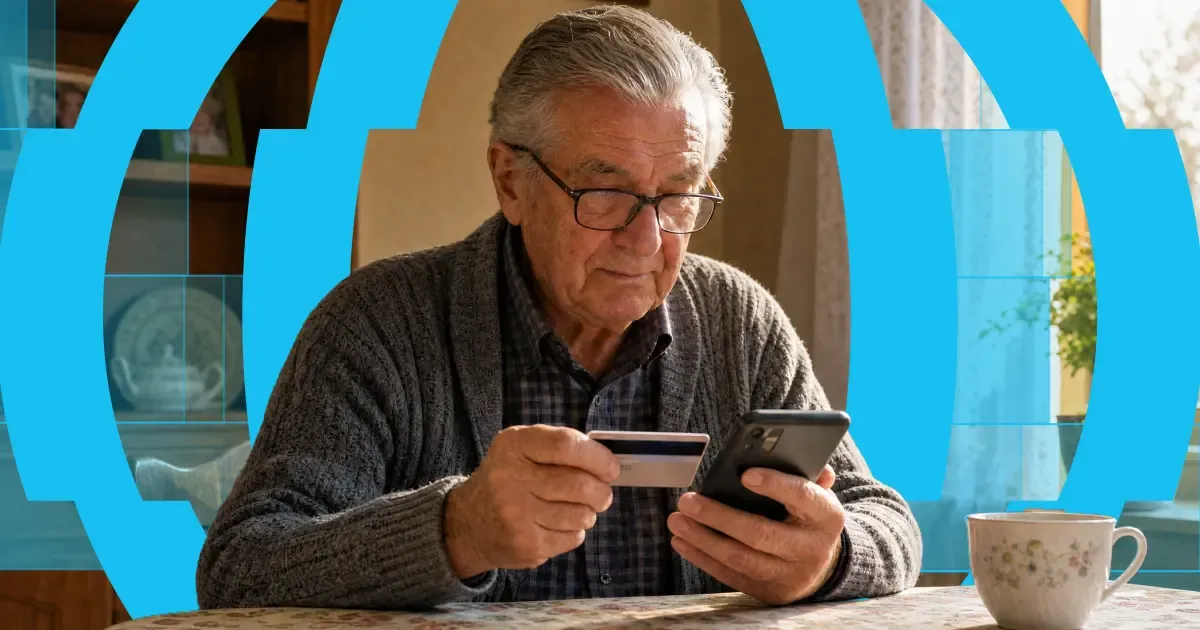
Here's the short answer: yes, you can use a credit card to get money into someone's bank account abroad. "Credit card to bank transfer" means exactly that — you fund the transfer with your credit card, and your recipient receives it in their bank account. Or on their card, in their wallet, or as cash to collect, depending on where they are.
The card and the bank account do different jobs. Your card pays for the transfer. A provider like Paysend then pays the money out through local systems on the other end. It's one flow, and it takes about a minute in the app.
One thing worth knowing before you start: a credit card is usually the most expensive way to fund a transfer. Some issuers treat it as a cash advance, and credit tends to carry higher payment fees than debit. You'll always see the full cost, exchange rate included, before you confirm anything. What follows is: the ways your money can arrive, what each one costs, how fast it gets there, and the cheaper routes worth checking first.
每个月,数以千计在捷克工作的人都会把部分工资寄回家——其中许多是支持着边境另一边家人的乌克兰人。而传统方式让本应简单的事情变得更复杂:银行汇款需要 IBAN 和 SWIFT 代码,手续费往往在钱汇出后才显现,还要等上好几天,而家里的人正等着这笔钱应急。
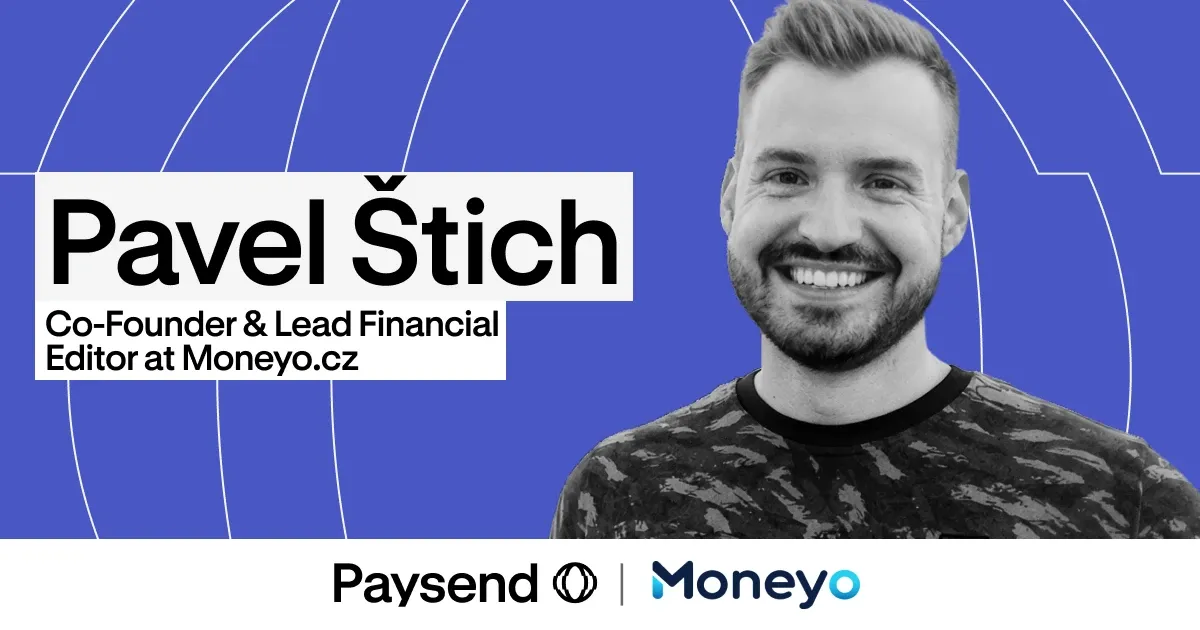
多年来,Pavel Štich 一直在帮助他的读者解决这个问题。他是 Moneyo.cz 的联合创始人兼财经主编——这是一个独立的捷克平台,专门比较汇款服务、股票经纪商和另类投资;同时他也是 Paysend 大使,这意味着他会亲自试用自己推荐的一切,用通俗易懂的方式讲解,并为读者带来专属福利。我们请他谈了谈 Moneyo 是如何诞生的、谁在阅读它,以及他为什么选择了 Paysend。


