How to Say Thankful in Spanish (and Other Ways to Say Thank You)

If you’ve ever found yourself in a Spanish-speaking country or chatting with Spanish-speaking friends, one word you’ll definitely want to know is “thankful.” So, let’s get straight to it:
The word for “thankful” in Spanish is agradecido (for men) or agradecida (for women). Estoy muy agradecido/a means “I’m very thankful.”
Gratitude is one of the most powerful human emotions — and learning how to express it in another language is a great way to connect with people on a deeper level. Whether you're a traveller, an expat or someone sending support across borders, knowing how to say “thankful” and “thank you” in Spanish adds a personal and respectful touch to your conversations.
In this blog, we’ll cover:
- How to say “thank you” in Spanish (plus a few useful variations)
- When to use each phrase
- Related expressions to show appreciation like a native speaker
How Do You Say “Thank You” in Spanish?
Let’s start with the basics. You probably already know:
- Gracias – Thank you
It’s the go-to word for almost every situation. But Spanish offers plenty of ways to expand on your gratitude, depending on how formal or enthusiastic you want to be:
- Muchas gracias – Thank you very much
- Mil gracias – A thousand thanks
- Muchísimas gracias – Thanks a million
- Gracias de todo corazón – Thank you from the bottom of my heart
- Estoy muy agradecido/a – I’m very thankful
- Te lo agradezco mucho – I really appreciate it
Travel Tip: Gratitude Goes a Long Way
If you’re travelling to countries like Spain, Mexico, Colombia or Argentina, speaking even a little Spanish shows appreciation and respect for local culture. Thanking your Airbnb host, a helpful taxi driver, or a local shop owner in their language creates a more authentic and meaningful connection.
Even if your Spanish isn’t perfect, saying gracias or agradecido/a can brighten someone’s day.
Other Helpful Gratitude Phrases in Spanish
Here are a few more ways to express and respond to gratitude:
To express appreciation:
- Lo aprecio – I appreciate it
- Estoy agradecido/a por… – I’m thankful for…
To respond when someone thanks you:
- De nada – You’re welcome
- Con gusto – With pleasure
- No hay de qué – Don’t mention it
- Es un placer – It’s a pleasure
Whether you’re on holiday, living abroad, or simply learning the language, expressing gratitude in Spanish is simple, heartfelt, and always appreciated. Start with agradecido/agradecida, then build up your vocabulary with the phrases we’ve covered here.
Sending money? Do it with Paysend, and download the app for free.
Want to go further? Check out our other helpful guides:
最新帖子

Sending money digitally is quick and convenient, but it also involves important security, verification, and fraud prevention checks. In most cases these checks happen automatically in the background.
If you’ve ever wondered why Paysend asks you to verify your identity, why a transfer might be reviewed, or how your money is protected, the answer is simple: these processes are designed to keep you, your money, and your recipient safe.
Every digital money transfer relies on trust, regulation, and security systems working together. While these checks can sometimes feel like an extra step, they are a standard and essential part of how modern money transfers stay secure.
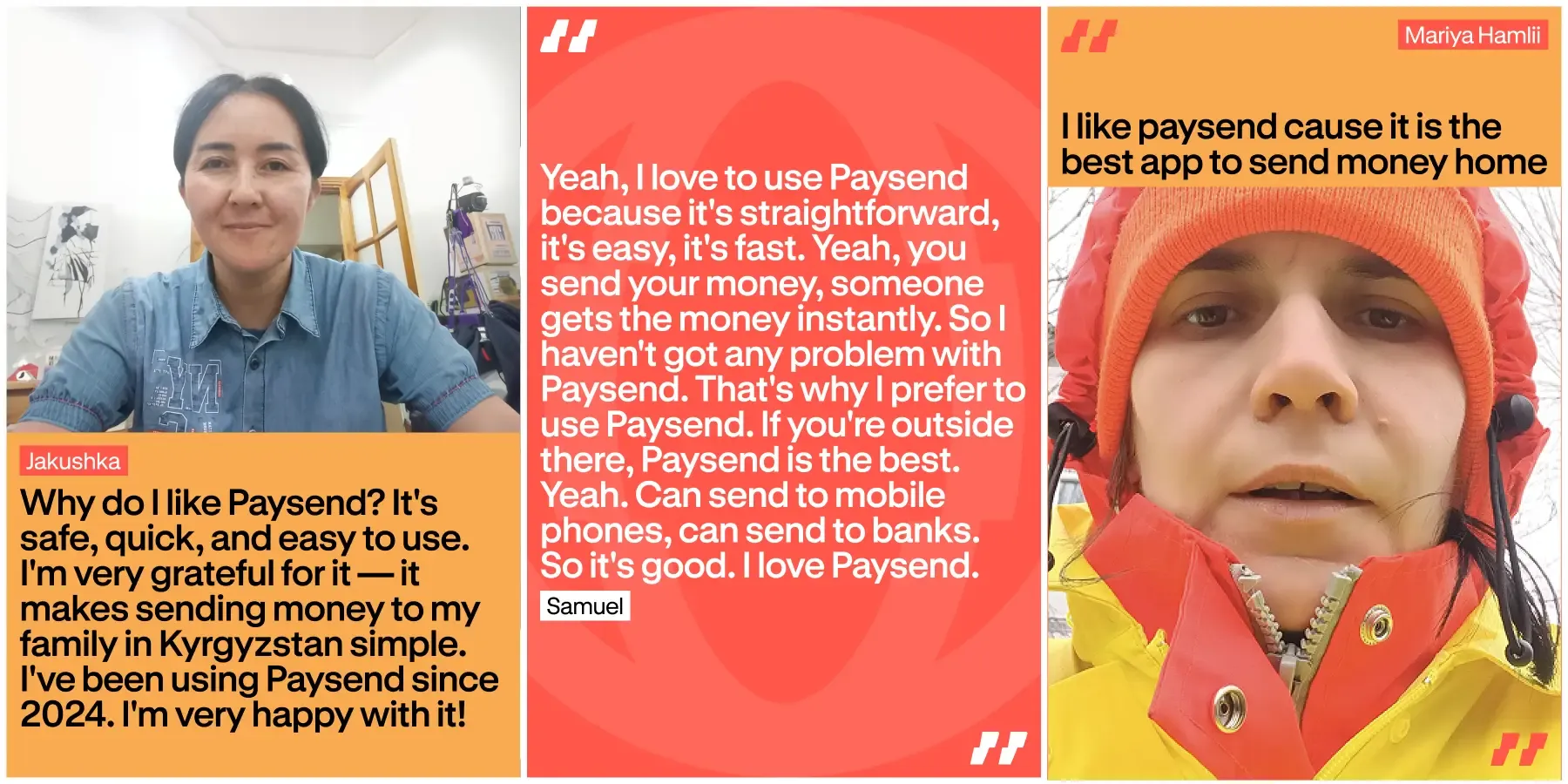
向海外汇款应该是轻松且安全的体验。使用 Paysend,人们知道他们的资金会快速到账且无压力。这不仅关乎速度——更关乎信任、安全,以及每一次都能顺利完成的确定性。
本文分享了真实客户的使用体验,以及可靠性为何在日常生活中如此重要。文章展示了用户如何评价 Paysend,以及该网络如何每天在全球范围内安全地转移资金。


