How to Say Good Luck in French

Whether you’re moving abroad, going on holiday, or sending encouragement to someone from afar, knowing how to say “good luck” in another language is a thoughtful way to connect.
So let’s get right to it; French for good luck is “Bonne chance”. But it isn’t pronounced as you’d think…
How do you say good luck in French?
The most common phrase is:
“Bonne chance” (pronounced: bun shahnss)
Literally translates to: “Good luck”
It’s versatile and widely used – whether someone’s sitting an exam, going to a job interview, or simply facing a big day ahead. It’s polite, friendly, and shows you’re rooting for them.
Another phrase you might hear is:
“Je croise les doigts” (zhuh krwahz lay dwah) – “I’m crossing my fingers.”
It’s a more casual, expressive way to wish someone luck, and can be used on its own or after bonne chance for extra flair.
Why phrases like this matter
Small phrases can make a big difference — especially if you’re moving to a new country or supporting loved ones who have. If you're visiting France or helping someone start a new chapter there, even a short sentence like bonne chance can help build a real connection.
It’s not about mastering a whole language — it’s about showing you care. And when you're sending money across borders, those moments of thoughtfulness go hand in hand with support.
How to say good luck in Spanish
Spanish is one of the most spoken languages globally, and knowing a few key phrases is helpful whether you’re in Spain, Latin America or the US.
The phrase you’re looking for is:
“Buena suerte” (pronounced: BWEH-nah SWER-teh)
Translation: “Good luck”
It’s simple and widely understood. You might also hear:
“¡Te deseo mucha suerte!” — “I wish you lots of luck.”
Perfect for big milestones, important days, or just to let someone know you’re cheering them on from afar.
How to say good luck in Irish
Irish Gaelic isn’t used in everyday conversation by most people in Ireland, but it still holds cultural weight — especially when it comes to heartfelt messages.
To wish someone good luck in Irish, say:
“Go n-éirí an t-ádh leat” (pronounced: guh ny-ree on taw lat)
Meaning: “May luck rise with you”
It’s often heard before school exams, weddings or new jobs — and adds a personal, meaningful touch to your well-wishes.
And wherever you are in the world, you’re never far from an Irish bar or community — a reminder of how widely the Irish diaspora spreads. A phrase like this is a nod to culture, community, and shared roots.
A few words go a long way
When you’re abroad or connecting across borders, simple phrases like “good luck” help build bridges. Whether you're travelling, learning a few basics for your next trip, or sending support through a money transfer, a familiar word in the right language adds warmth to the moment.
So next time someone needs a boost — from Paris to Barcelona to Cork — you’ll be ready.
Bonne chance. Buena suerte. Go n-éirí an t-ádh leat.
And if you're sending more than words? We’ve got you covered too.
Don’t miss our related blogs:
最新帖子
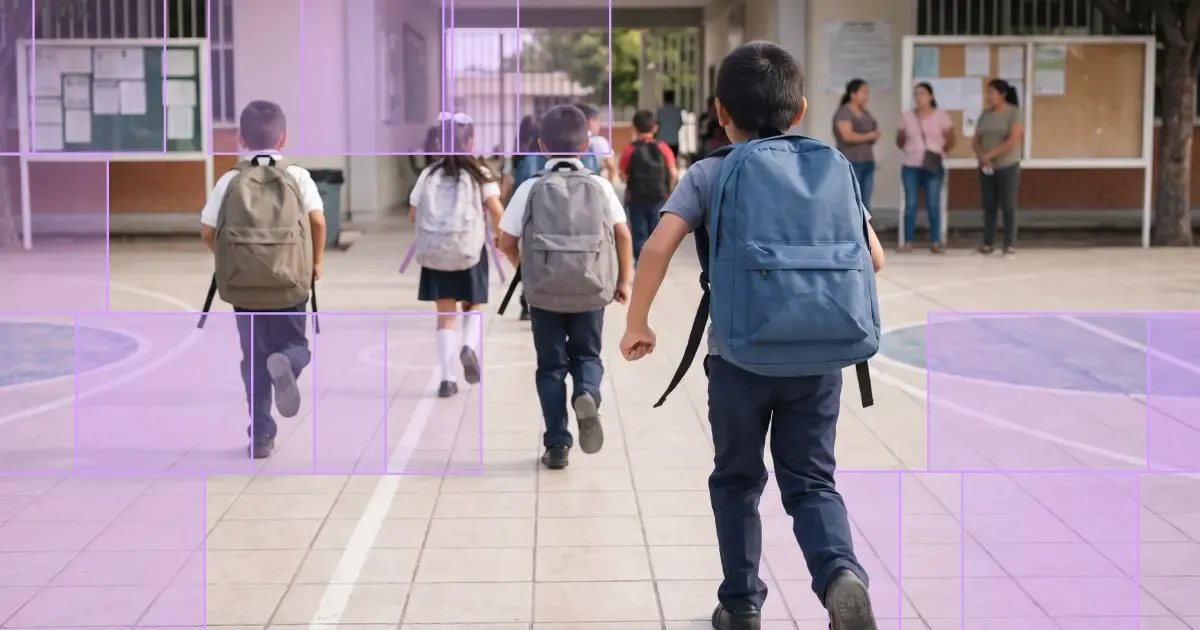
Back-to-school season can be one of the times of year you feel furthest from the people you love. It's also one of the most expensive – school supplies, uniforms, tuition, and everyday essentials all add up at once. Many people help cover these costs by sending money internationally to family abroad. To support that, new Paysend customers get a fee-free first transfer at a better exchange rate during the back-to-school period.
Whether you're helping pay for school or everyday expenses, an international transfer can get support to the people who need it, when they need it. Paysend lets customers send money to more than 170 countries through secure, straightforward payment methods — here's how to sign up for free and claim the offer.

每个月,数以千计在捷克工作的人都会把部分工资寄回家——其中许多是支持着边境另一边家人的乌克兰人。而传统方式让本应简单的事情变得更复杂:银行汇款需要 IBAN 和 SWIFT 代码,手续费往往在钱汇出后才显现,还要等上好几天,而家里的人正等着这笔钱应急。
多年来,Pavel Štich 一直在帮助他的读者解决这个问题。他是 Moneyo.cz 的联合创始人兼财经主编——这是一个独立的捷克平台,专门比较汇款服务、股票经纪商和另类投资;同时他也是 Paysend 大使,这意味着他会亲自试用自己推荐的一切,用通俗易懂的方式讲解,并为读者带来专属福利。我们请他谈了谈 Moneyo 是如何诞生的、谁在阅读它,以及他为什么选择了 Paysend。


