How to Say Mexico City in Spanish – And Sound Like a Local

If you’ve ever wondered how to say Mexico City in Spanish, the most direct translation is Ciudad de México – but that’s just the start of the story.
Because if you ask someone who actually lives in Mexico, you’ll quickly realise that the way locals refer to their capital is highly contextual, often playful, and sometimes deliberately ambiguous. So if you want to sound more like a local – and less like a textbook – here’s what you need to know.
The simple answer: “México”
Yes, really.
For most people in Mexico, Mexico City is just “México.”
If you’re from another part of the country, like Querétaro or Puebla, and you’re heading to the capital, you don’t usually say “Voy a Ciudad de México.” You say:
“Voy a México.”
I’m going to Mexico.
And nobody bats an eye. Everyone understands you mean the city, not the country.
Why? Because Mexicans rely on context. If you’re inside the country, it’s already clear you’re not talking about the nation as a whole — so there’s no need to add “Ciudad de.”
That’s why you’ll see road signs inside Mexico simply say “México” — meaning the city. No confusion. No need for extra words.
Officially? It’s “Ciudad de México” or “CDMX”
When clarity matters — in the news, formal documents, or when talking to someone from outside the country — the full name Ciudad de México is used. Abbreviated, you’ll often see:
- CDMX (pronounced “say-day-em-equis” in Spanish)
- DF or D.F., short for Distrito Federal — a term still used by many, even though it’s technically outdated
So if you’re filling in a form or explaining where you’re from abroad, “Ciudad de México” is the safest and most widely recognised answer.
Want to sound local? Try these alternatives
Mexicans have no shortage of creative nicknames for their capital — and using one of them in the right context can earn you instant respect (or at least a laugh).
Here are some you might hear:
- La Capital – The capital. Simple and polite.
- El Chilango – A light-hearted reference to the city’s nickname for locals (chilangos).
- Chilanguilandia – A humorous twist. Chilango + Disneyland.
- El DeFectuoso – A play on DF and “defective.” Sarcastic but beloved.
- La Ciudad de la Corrupción – Not always flattering, but very much in jest.
- La Estrella de la Muerte – The Death Star. Dark humour, Mexico-style.
- Chairotitlán – You’ll need a full blog just to unpack this one.
Each one carries cultural nuance, irony, or affection — and knowing when to use them (and when not to) is part of what makes Mexican Spanish so rich and layered.
What does CDMX mean?
CDMX stands for Ciudad de México, introduced as part of a rebranding when the city transitioned away from being known as Distrito Federal. It gave Mexico City a more defined political identity and helped modernise its image internationally.
You’ll see CDMX on number plates, government buildings and in the media — but in everyday speech, DF (de-eh-feh) is still alive and well.
How do locals really talk about Mexico City?
If you’re travelling from nearby states — like Morelos, Puebla, or Hidalgo — you might hear:
- “Voy a México”
- “Voy al Chilango”
- “Voy a Chilanguilandia”
- “Voy a la Capital”
- "Voy al Defectuoso”
All of them mean “I’m heading to Mexico City,” and each brings its own tone — from affectionate to ironic.
Want to blend in? Stick with “México” or “la capital”
Unless you’re writing an official document, just saying “México” is perfectly natural if you're within the country. If you’re outside of Mexico and want to be clear, “Ciudad de México” is best.
Trying to sound playful? Try “el Chilango” or “el Defectuoso” with a smile — and be ready to explain the joke if your audience isn’t local.
Final word: it’s all about context
Whether you're booking a trip, sending money home, or just learning Spanish for fun — knowing how people really speak is just as important as formal rules.
So the next time someone asks how to say Mexico City in Spanish, now you know: it’s Ciudad de México, CDMX, DF, or just plain México — and it all depends on where you are and who you’re talking to.
Related posts:
最新帖子
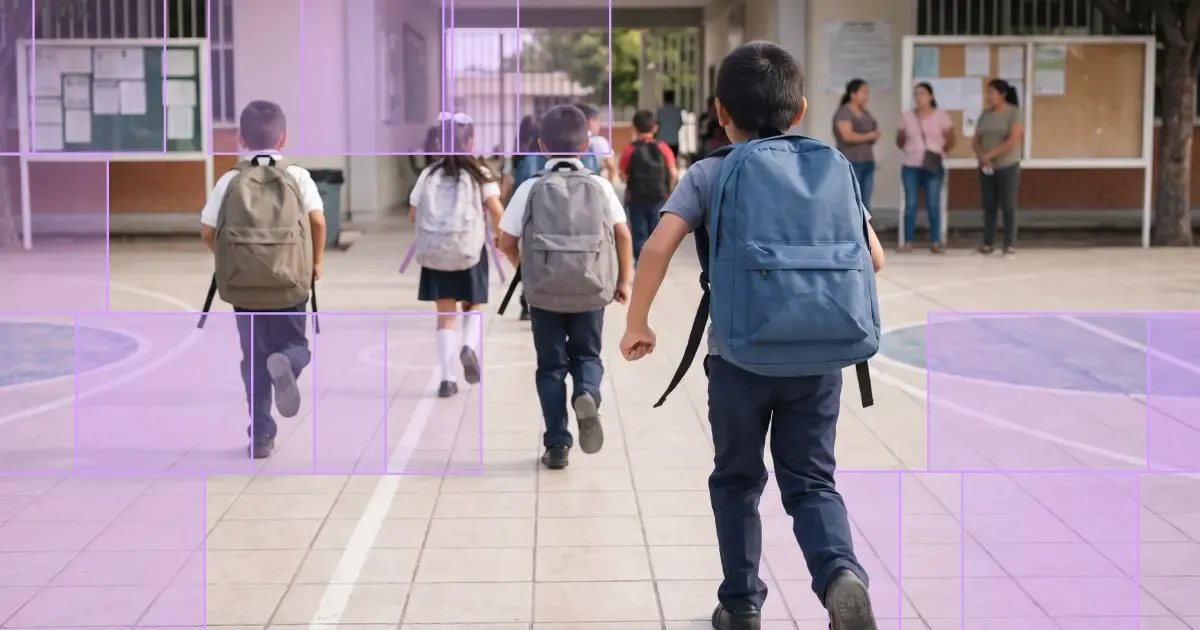
Back-to-school season can be one of the times of year you feel furthest from the people you love. It's also one of the most expensive – school supplies, uniforms, tuition, and everyday essentials all add up at once. Many people help cover these costs by sending money internationally to family abroad. To support that, new Paysend customers get a fee-free first transfer at a better exchange rate during the back-to-school period.
Whether you're helping pay for school or everyday expenses, an international transfer can get support to the people who need it, when they need it. Paysend lets customers send money to more than 170 countries through secure, straightforward payment methods — here's how to sign up for free and claim the offer.

每个月,数以千计在捷克工作的人都会把部分工资寄回家——其中许多是支持着边境另一边家人的乌克兰人。而传统方式让本应简单的事情变得更复杂:银行汇款需要 IBAN 和 SWIFT 代码,手续费往往在钱汇出后才显现,还要等上好几天,而家里的人正等着这笔钱应急。
多年来,Pavel Štich 一直在帮助他的读者解决这个问题。他是 Moneyo.cz 的联合创始人兼财经主编——这是一个独立的捷克平台,专门比较汇款服务、股票经纪商和另类投资;同时他也是 Paysend 大使,这意味着他会亲自试用自己推荐的一切,用通俗易懂的方式讲解,并为读者带来专属福利。我们请他谈了谈 Moneyo 是如何诞生的、谁在阅读它,以及他为什么选择了 Paysend。


