A New U.S. Remittance Tax — Here’s What Paysend Customers Need to Know
Starting January 1, 2026, a new U.S. federal rule introduced a 1% tax on certain international money transfers. If you send money abroad, you may have seen headlines or social posts raising questions — or concerns — about what this means for you.
Here’s the good news upfront:
Paysend customers won’t pay this tax.
In this blog, we explain what’s changing, who it affects, and why sending money with Paysend remains simple, transparent, and tax-free.
What Is the New Federal Remittance Tax?
Under a new U.S. government requirement — part of the One, Big, Beautiful Bill — a 1% federal tax will apply to certain outbound international money transfers from the United States beginning January 1, 2026.
This tax is:
- Mandated by the U.S. government
- Collected by providers when applicable
- Applied industry-wide, not by choice of individual companies
For more detailed information about the legislation and how the remittance tax is structured, we recommend reviewing the official bill documentation on the U.S. government’s website: Visit the One, Big, Beautiful Bill official page (link to full text of the law and provisions).
Who Does the Tax Apply To?
The 1% remittance tax only applies to transfers funded with cash or cash-equivalent payment methods, such as:
- Cash payments made in person at physical locations
- Money orders
- Cashier’s checks
- Similar cash-like instruments
These payment types are common with traditional, cash-based remittance providers.
Which Payment Methods Are Exempt?
Digital funding methods are generally exempt from the federal remittance tax, including:
- Bank transfers
- Debit cards
- Credit cards
- Digital wallets
And this is where Paysend is different.
Why Paysend Customers Don’t Pay the Tax
Paysend operates entirely through digital payment methods. There’s no cash funding — which means the new federal remittance tax does not apply to Paysend transfers.
If you send money with Paysend:
- No cash funding
- No remittance tax
- No changes to how you send
Your experience stays exactly the same with Paysend transfers — fast, transparent, and easy.
The Bottom Line - What to Expect
What’s changing
- A new federal tax exists for certain cash-funded international transfers
- Some providers may need to collect it depending on how customers pay
What’s not changing
- Paysend transfers remain tax-free
- Our rates, speed, and digital experience stay the same
- No action is required from Paysend customers
In short: If you send with Paysend, you’re covered.
No cash. No extra tax. No surprises.
If you have questions, our support team is here to help — and we’ll continue to keep you informed whenever changes matter to you.
The materials on this blog are provided for informational purposes only and do not reflect the opinions of Central Bank of Kansas City, Member FDIC. Blog posts may contain links to content on third-party websites, which are provided for your convenience; please note that linked sites may have a privacy and security policy different from our own, and we cannot attest to the accuracy of information. The Central Bank of Kansas City does not guarantee nor expressly endorse any particular business, product, service, or third-party content.
最新帖子
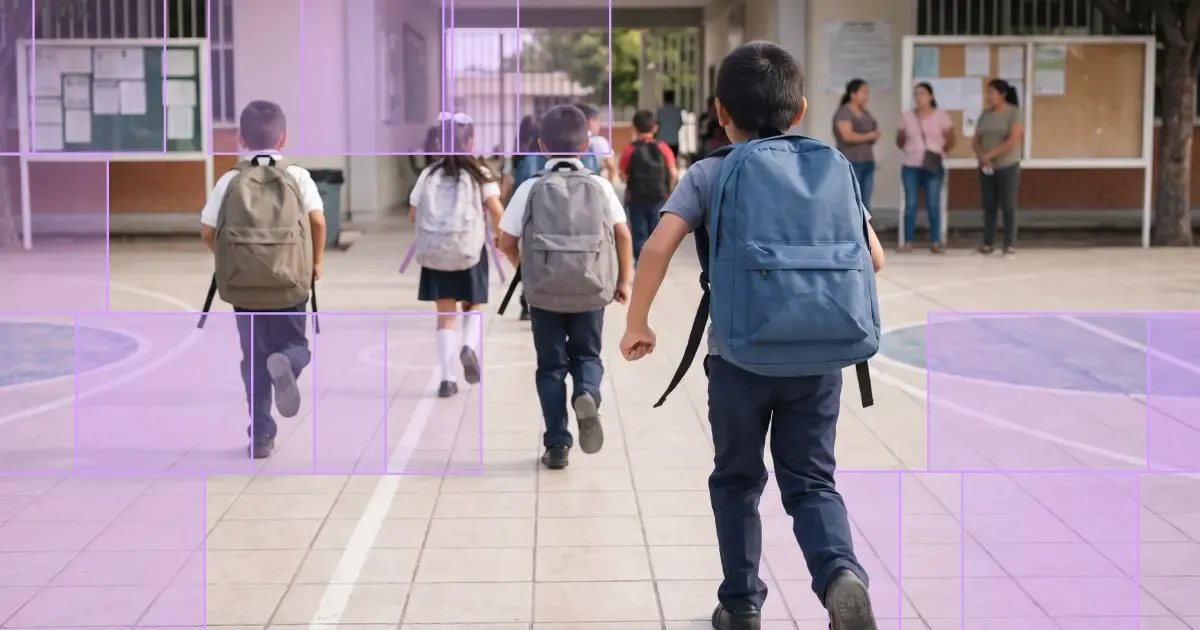
Back-to-school season can be one of the times of year you feel furthest from the people you love. It's also one of the most expensive – school supplies, uniforms, tuition, and everyday essentials all add up at once. Many people help cover these costs by sending money internationally to family abroad. To support that, new Paysend customers get a fee-free first transfer at a better exchange rate during the back-to-school period.
Whether you're helping pay for school or everyday expenses, an international transfer can get support to the people who need it, when they need it. Paysend lets customers send money to more than 170 countries through secure, straightforward payment methods — here's how to sign up for free and claim the offer.

每个月,数以千计在捷克工作的人都会把部分工资寄回家——其中许多是支持着边境另一边家人的乌克兰人。而传统方式让本应简单的事情变得更复杂:银行汇款需要 IBAN 和 SWIFT 代码,手续费往往在钱汇出后才显现,还要等上好几天,而家里的人正等着这笔钱应急。
多年来,Pavel Štich 一直在帮助他的读者解决这个问题。他是 Moneyo.cz 的联合创始人兼财经主编——这是一个独立的捷克平台,专门比较汇款服务、股票经纪商和另类投资;同时他也是 Paysend 大使,这意味着他会亲自试用自己推荐的一切,用通俗易懂的方式讲解,并为读者带来专属福利。我们请他谈了谈 Moneyo 是如何诞生的、谁在阅读它,以及他为什么选择了 Paysend。


