VP of Strategic Enterprise Partnerships

By Chris Yip, Head of Commercial, Paysend Enterprise (Central Asia & Asia Pacific)
When it comes to payments, Asia is unlike anywhere else.
In Singapore, QR codes are part of daily life. In India, UPI has redefined digital commerce. In Indonesia, mobile wallets are the go-to choice for millions. The only constant across these markets? Diversity.
The Scale of Transformation
Asia Pacific leads the world in non-cash transactions: over 1.4 trillion in 2023, and growing fast.
This growth isn’t just about numbers. It’s about the pace of innovation and the diversity of options driving financial inclusion. Mobile wallets and alternative payment methods are now poised to outpace cards in several key markets. Meanwhile, cross-border e-commerce continues to surge, putting new pressure on enterprises to modernize their payment infrastructure.
At Paysend, we see this as more than a regional trend, it’s part of our mission. We’re building the world’s largest digital payment network, one that can connect people and businesses seamlessly, breaking barriers that have long made cross-border money movement complex and costly.
The Challenge for Global Businesses
For enterprises operating in Asia, diversity brings both opportunity and complexity.
How do you offer payment methods that feel local — without building separate systems for every market?
How do you manage compliance, FX, and settlement when rules differ from Sydney to Seoul?
And how do you ensure your partners, sellers, and gig workers get paid instantly, securely, and in the format they trust most?
These are the main pain points in cross-border money transfer — and they’re only intensifying as the region scales. The businesses that succeed in Asia will be those that can adapt quickly, localize intelligently, and prioritize reliability above all else.
How Paysend Simplifies the Complexity
That’s where Paysend comes in.
Through a single API, enterprises can access an integrated network that connects Visa Direct, Mastercard Send, and local payment schemes — all within one seamless platform.
Our infrastructure is designed to handle the diversity of Asia, giving businesses the ability to:
- Push funds instantly to a card in Vietnam,
- Pay a freelancer in the Philippines, or
- Settle with a seller in Malaysia —
without managing multiple vendors or compliance frameworks.
It’s the simplest way to operate in one of the world’s most complex payment environments — and a cornerstone of our mission to bring simple money transfer to all, including the underserved.
Real-World Possibilities
Imagine:
- A global marketplace disbursing seller payouts across Southeast Asia in minutes, not days, boosting liquidity and trust.
- A ride-hailing platform paying drivers instantly across multiple countries without navigating a maze of local banking systems.
- A cross-border SaaS company settling with affiliates in Japan, India, and Australia through a single API.
By removing friction and fragmentation, Paysend helps enterprises focus on growth — not the mechanics of getting money where it needs to go.
Asia Is Already the Future of Payments
It’s diverse, dynamic, and digital-first – a region that sets the pace for the rest of the world.
For global enterprises, the question is no longer whether Asia is ready for digital payments. It’s whether your payout strategy is ready for Asia.
Turn Complexity into Competitive Advantage
With a unified payout strategy powered by Paysend Enterprise, businesses can embrace Asia’s payments diversity – not as a challenge, but as an advantage.
Because when you simplify cross-border payments, you do more than streamline operations — you help drive inclusion, innovation, and opportunity for everyone connected to your business.
That’s how we’re breaking barriers and building the world’s largest digital payment network — one transaction at a time.
The educational materials on this site are provided for informational purposes only and do not reflect the opinions of Central Bank of Kansas City, Member FDIC. Educational materials may contain links to content on third-party websites which are provided for your convenience; please note that linked sites may have a privacy and security policy different from our own, and we cannot attest to the accuracy of information. The Central Bank of Kansas City does not guarantee nor expressly endorse any particular business, product, service, or third-party content.
最新帖子
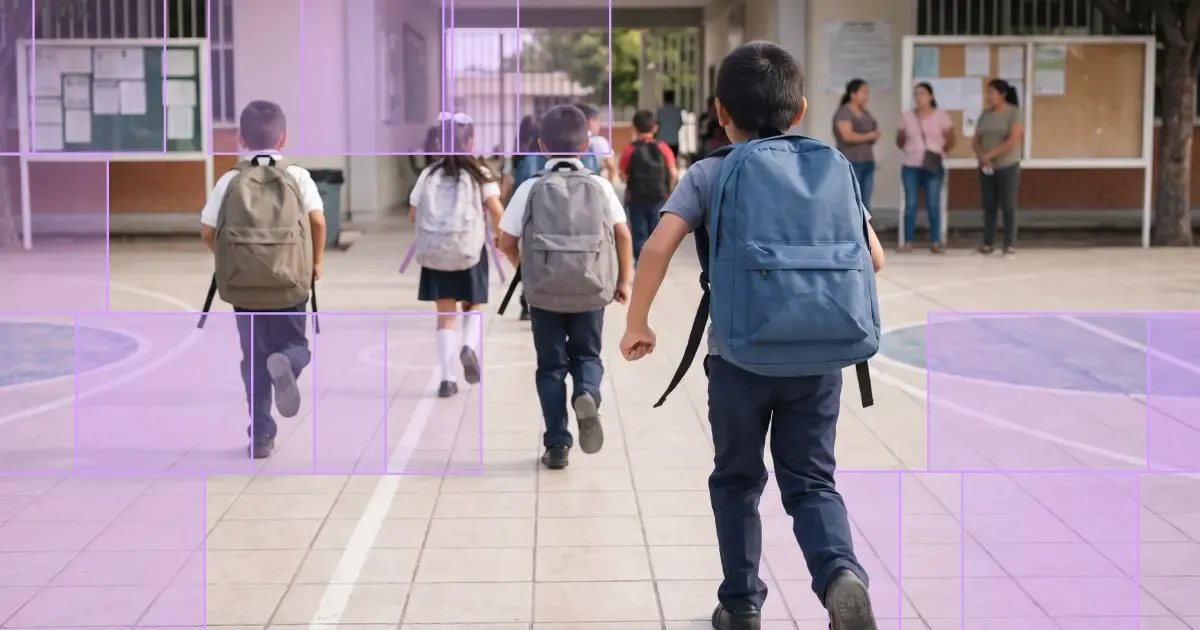
Back-to-school season can be one of the times of year you feel furthest from the people you love. It's also one of the most expensive – school supplies, uniforms, tuition, and everyday essentials all add up at once. Many people help cover these costs by sending money internationally to family abroad. To support that, new Paysend customers get a fee-free first transfer at a better exchange rate during the back-to-school period.
Whether you're helping pay for school or everyday expenses, an international transfer can get support to the people who need it, when they need it. Paysend lets customers send money to more than 170 countries through secure, straightforward payment methods — here's how to sign up for free and claim the offer.

每个月,数以千计在捷克工作的人都会把部分工资寄回家——其中许多是支持着边境另一边家人的乌克兰人。而传统方式让本应简单的事情变得更复杂:银行汇款需要 IBAN 和 SWIFT 代码,手续费往往在钱汇出后才显现,还要等上好几天,而家里的人正等着这笔钱应急。
多年来,Pavel Štich 一直在帮助他的读者解决这个问题。他是 Moneyo.cz 的联合创始人兼财经主编——这是一个独立的捷克平台,专门比较汇款服务、股票经纪商和另类投资;同时他也是 Paysend 大使,这意味着他会亲自试用自己推荐的一切,用通俗易懂的方式讲解,并为读者带来专属福利。我们请他谈了谈 Moneyo 是如何诞生的、谁在阅读它,以及他为什么选择了 Paysend。


