Sending money internationally to a bank account : SWIFT or SEPA?

In contemporary times, many individuals perceive a shrinking world, fostering a closer connection to a global society. Whether you’re celebrating weddings abroad, embarking on international business or study adventures, or investing in holiday properties in far-off lands, our lives often extend across borders.
Sending money internationally is a part of our life. However, with hidden transfer costs, fluctuating exchange rates and varying delivery time, you might ask yourself ‘Did I send money the best way for my needs?’
In this guide, we’ll help you understand which method suits your needs best.
Understanding of SWIFT and SEPA
When you’re sending money internationally, you might come across the terms SWIFT and SEPA. In case they’re unfamiliar to you, we’ll explain the differences.
What’s a SWIFT transfer and how does it work?
A SWIFT transfer is an international money transfer done via the SWIFT network, which stands for the Society for Worldwide Interbank Financial telecommunications.
To send money via SWIFT: you’ll need a SWIFT code (also called a BIC code). It contains 8 - 11 characters and is the bank/branch identifier for the payment.
You’ll also need the IBAN, which is the SWIFT format for an account number. Using SWIFT, your money will be transferred directly to your recipient’s bank account safely and securely in 3-5 working days.
What’s a SEPA transfer and how does it work?
SEPA stands for Single Euro Payments Area. A SEPA transfer is designed specifically for bank transfers denominated in EUR within the 27 EU member states but also within the UK, Iceland, Switzerland, Norway, Liechtenstein, Andorra, Monaco, San Marino and Vatican City.
To send a SEPA payment, you just need the IBAN number for the bank account. SEPA transfers are known for their fast, budget-friendly service. With SEPA payments, transfers are typically processed within 24 hours.
How can you choose between SWIFT and SEPA?
The choice between SWIFT and SEPA comes down to your specific needs. Take into account the location of your recipient, the currency, the cost, the speed, and the security requirements of your transfer.
- If you’re sending money within the Eurozone, SEPA is your efficient and cost-effective choice.
- For transactions in non-European currencies or destinations, SWIFT’s global reach is your best bet.
Paysend makes it easy to send both SEPA and SWIFT payments. With just a few taps on your phone, you can smoothly send and receive money within the Eurozone, and what’s even better? - It won’t cost you a thing - thanks to SEPA Credit Transfer. If you need to send money outside the Eurozone, Paysend also has you covered with SWIFT payments.
Download Paysend to join 8+ million worldwide Paysend customers today!
- Website: paysend.com
- Mobile App: available from the App Store and Google Play
最新帖子
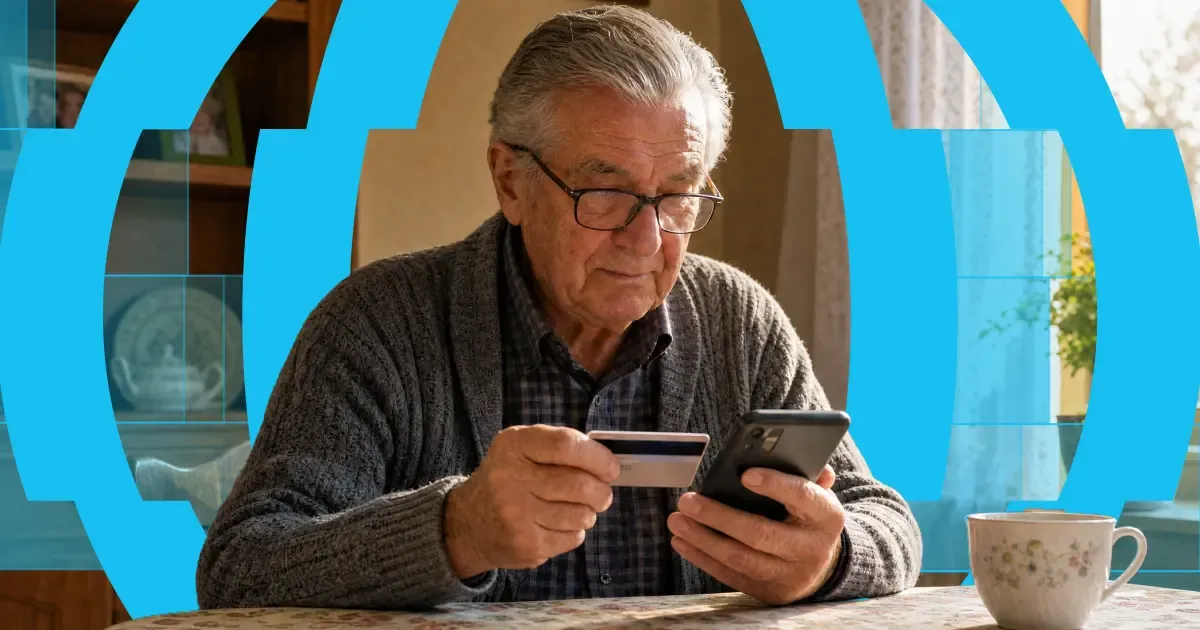
Here's the short answer: yes, you can use a credit card to get money into someone's bank account abroad. "Credit card to bank transfer" means exactly that — you fund the transfer with your credit card, and your recipient receives it in their bank account. Or on their card, in their wallet, or as cash to collect, depending on where they are.
The card and the bank account do different jobs. Your card pays for the transfer. A provider like Paysend then pays the money out through local systems on the other end. It's one flow, and it takes about a minute in the app.
One thing worth knowing before you start: a credit card is usually the most expensive way to fund a transfer. Some issuers treat it as a cash advance, and credit tends to carry higher payment fees than debit. You'll always see the full cost, exchange rate included, before you confirm anything. What follows is: the ways your money can arrive, what each one costs, how fast it gets there, and the cheaper routes worth checking first.

每个月,数以千计在捷克工作的人都会把部分工资寄回家——其中许多是支持着边境另一边家人的乌克兰人。而传统方式让本应简单的事情变得更复杂:银行汇款需要 IBAN 和 SWIFT 代码,手续费往往在钱汇出后才显现,还要等上好几天,而家里的人正等着这笔钱应急。
多年来,Pavel Štich 一直在帮助他的读者解决这个问题。他是 Moneyo.cz 的联合创始人兼财经主编——这是一个独立的捷克平台,专门比较汇款服务、股票经纪商和另类投资;同时他也是 Paysend 大使,这意味着他会亲自试用自己推荐的一切,用通俗易懂的方式讲解,并为读者带来专属福利。我们请他谈了谈 Moneyo 是如何诞生的、谁在阅读它,以及他为什么选择了 Paysend。


