Paysend十一月抽奖活动——赢取高达$500、$300或$200的第二次机会!
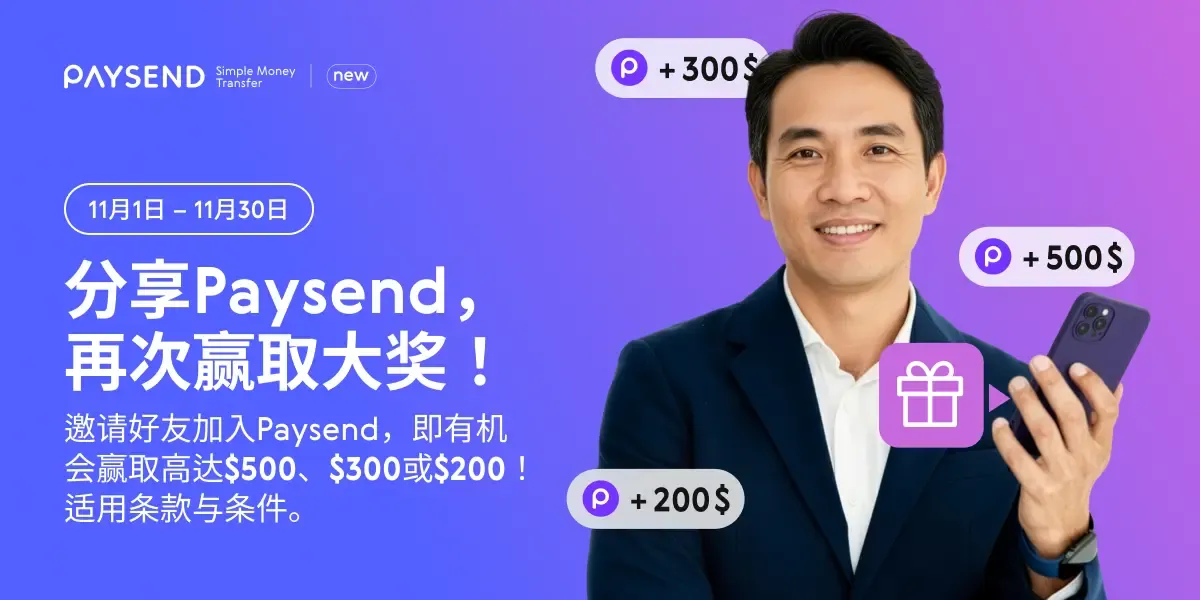
请留意您的邮箱和我们的社交媒体——我们将很快公布十月的获奖者!
上次没中奖?别担心——机会又来了!
Paysend抽奖活动将在十一月继续进行,抓住机会赢取高达 $500、$300 或 $200 美元(或等值金额) 的Paysend奖励金。
如何参与:
2025年11月1日至11月30日期间,邀请您的朋友和家人使用Paysend。
每次成功邀请——当您的朋友完成首次转账后——您就会获得一次额外的抽奖机会。
奖品内容:
🥇 $500美元(或当地货币等值)
🥈 $300美元(或等值)
🥉 $200美元(或等值)
邀请越多,中奖机会越高!
即使这次没中奖,您仍可享受我们的 “邀请好友”奖励计划 ——每位好友的前12笔转账,您都能获得 $3美元奖励(最高$36美元)。
Disclaimer:
仅限18岁及以上的欧洲经济区(EEA)及英国居民参加。活动时间:2025年11月1日至11月30日。完整条款:https://paysend.com/marketing-tc 主办方:Paysend Group Limited。
最新帖子
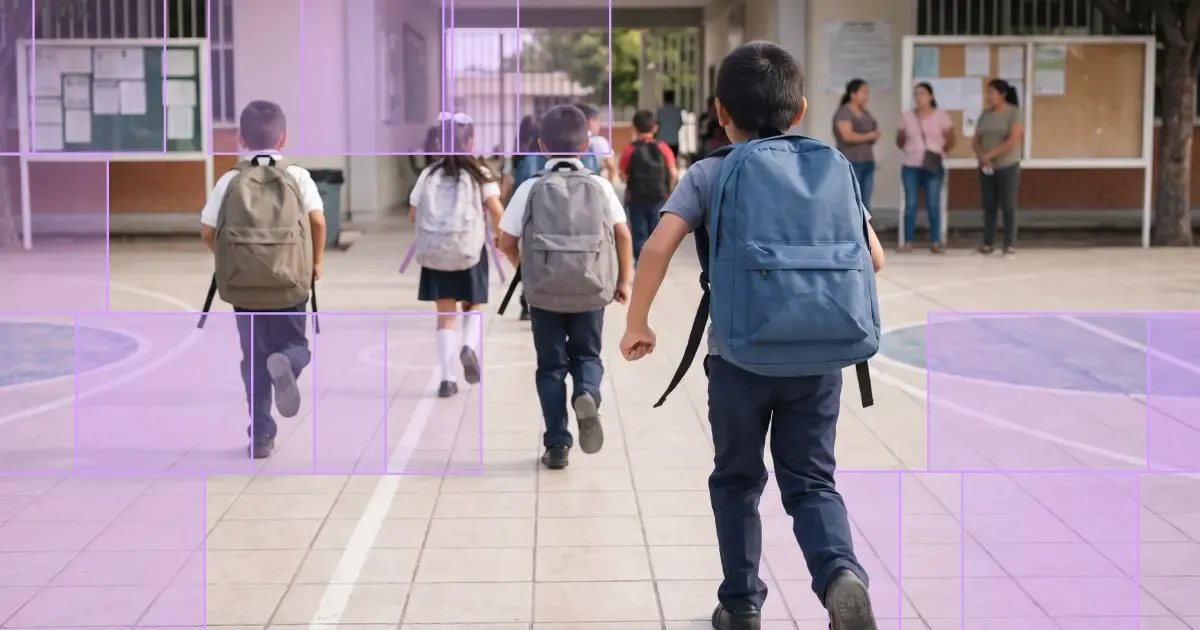
Back-to-school season can be one of the times of year you feel furthest from the people you love. It's also one of the most expensive – school supplies, uniforms, tuition, and everyday essentials all add up at once. Many people help cover these costs by sending money internationally to family abroad. To support that, new Paysend customers get a fee-free first transfer at a better exchange rate during the back-to-school period.
Whether you're helping pay for school or everyday expenses, an international transfer can get support to the people who need it, when they need it. Paysend lets customers send money to more than 170 countries through secure, straightforward payment methods — here's how to sign up for free and claim the offer.
每个月,数以千计在捷克工作的人都会把部分工资寄回家——其中许多是支持着边境另一边家人的乌克兰人。而传统方式让本应简单的事情变得更复杂:银行汇款需要 IBAN 和 SWIFT 代码,手续费往往在钱汇出后才显现,还要等上好几天,而家里的人正等着这笔钱应急。
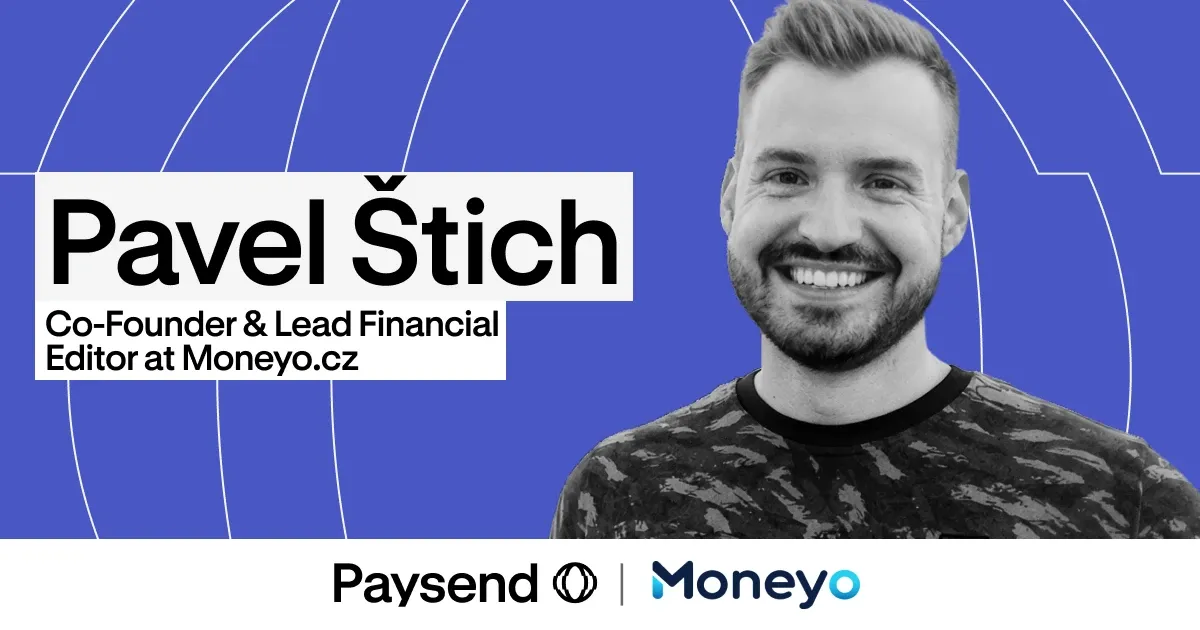
多年来,Pavel Štich 一直在帮助他的读者解决这个问题。他是 Moneyo.cz 的联合创始人兼财经主编——这是一个独立的捷克平台,专门比较汇款服务、股票经纪商和另类投资;同时他也是 Paysend 大使,这意味着他会亲自试用自己推荐的一切,用通俗易懂的方式讲解,并为读者带来专属福利。我们请他谈了谈 Moneyo 是如何诞生的、谁在阅读它,以及他为什么选择了 Paysend。


