Mother’s Day Around the World: When and How It’s Celebrated
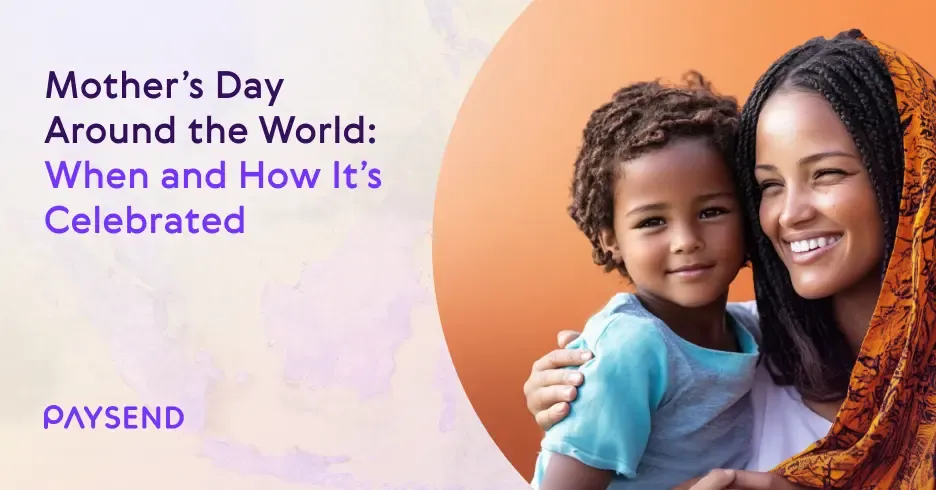
Mother’s Day is a time to celebrate the love, care and sacrifices of mothers worldwide. But did you know that it’s not celebrated on the same day in every country? Different cultures honour mothers at different times of the year, each with unique traditions.
Whether you’re sending a heartfelt message, a thoughtful gift, or making an international money transfer with an app to support your loved ones, Mother’s Day is about showing appreciation in any way you can.
The history of Mother’s Day
The tradition of celebrating mothers has existed for centuries, but the modern version of Mother’s Day began in the United States.
- Ancient Traditions: The Greeks and Romans honoured mother figures with festivals dedicated to goddesses like Cybele and Rhea.
- Mothering Sunday (UK & Ireland): Dating back to the 16th century, this day fell on the fourth Sunday of Lent. Originally, it was a religious tradition for people to return to their "mother church." Over time, it evolved into a celebration of mothers.
- Modern Mother’s Day (United States): In 1908, American activist Anna Jarvis campaigned to create a national day to recognise mothers. Her efforts led to Mother’s Day being officially recognised in 1914, and soon the tradition spread worldwide.
Today, different countries have adopted their own Mother’s Day dates and traditions, making it a truly global celebration
Why Is Mother’s Day Celebrated on Different Dates?
Mother’s Day is celebrated around the world, but when and how it’s observed depends on cultural traditions, historical influences and even religious significance. While the UK and Ireland celebrate it on the fourth Sunday of Lent, known as Mothering Sunday, most countries – including the US, Canada, Australia, India, China and much of Europe – celebrate it on the second Sunday of May, following the modern holiday established in 1914 by the United States.
In other parts of the world, Mother’s Day is tied to fixed dates or local customs:
- March 8 – Many Eastern European and Central Asian countries celebrate it as part of International Women’s Day, honouring both mothers and women’s achievements.
- March 21 – Countries across the Middle East, including Egypt, Iraq and Saudi Arabia, mark Mother’s Day on the first day of spring, symbolising renewal and life.
- May 10 – Mexico, El Salvador and Guatemala observe Día de las Madres on this fixed date, regardless of the day of the week.
- May 25 – France celebrates on the last Sunday of May, often with family gatherings and heartfelt gifts.
- August 12 – Thailand’s Mother’s Day is celebrated on Queen Sirikit’s birthday, with children presenting white jasmine flowers to their mothers.
- October 19 – Argentina observes Día de la Madre on the third Sunday of October, marking it with festive meals and gifts.
- November 30 – Russia celebrates Mother’s Day on the last Sunday of November, focusing on appreciation rather than commercial celebrations.
- February 9 – Norway holds Mother’s Day on the second Sunday of February, with traditions similar to those in the US and Canada.
No matter when it’s celebrated, Mother’s Day is a universal reminder to appreciate the love, strength and sacrifices of mothers worldwide.
How different cultures celebrate Mother’s Day
Though the dates may vary, the traditions that accompany Mother’s Day often share common themes – gratitude, gift-giving and quality time with family.
In the UK and Ireland, Mothering Sunday originally had religious roots, but today, it’s a day to shower mothers with flowers, gifts and special meals. Meanwhile, in the US, Canada and Australia, Mother’s Day is widely celebrated with brunches, greeting cards and family gatherings.
In Mexico and Latin America, Día de las Madres is a huge event, often beginning with children serenading their mothers with “Las Mañanitas”, a traditional song, followed by large family feasts and celebrations.
In India, the concept of Mother’s Day is becoming increasingly popular, with families spending quality time together and giving gifts, while in Thailand, the day coincides with Queen Sirikit’s birthday, with families wearing light blue in her honour.
Many Middle Eastern countries, such as Egypt and Iraq, celebrate on March 21, the first day of spring, symbolising renewal, growth and appreciation for mothers.
Whether it’s through music, food, flowers, or heartfelt messages, the way Mother’s Day is celebrated may differ – but the sentiment is always the same: mothers deserve to be cherished and celebrated, no matter where they are.
The best gift for Mum? Staying connected
While traditions vary, one thing remains the same – Mother’s Day is about love and connection. If you’re far from home, staying in touch is more important than ever. Whether it’s a phone call, a heartfelt message, or a fast and secure international money transfer, finding ways to support and show appreciation is what matters most.
Since Mother’s Day is celebrated on different dates across the world, make sure you check the calendar to plan your surprise! Whether you’re booking a delivery, scheduling a call, or sending money internationally to help her celebrate, a little preparation makes sure she feels truly appreciated.
Need to send money to Mum this Mother’s Day? Make it easy with the Paysend app.
最新帖子

If you're working in one country and supporting family in another, you already know the drill. Payday lands, and the money needs to be with them – not in three working days, not after a bank somewhere in the middle has taken its turn with it. Today, in their hands, ready to spend.
Here's the good news: a card to card transfer sends money straight from your card to someone else's, using the card networks instead of a standard bank transfer. No IBAN, no BIC, no sort code – just a card number. Let's get you sending.

好消息——9月推荐奖励翻倍。整个2026年9月,你邀请的每位朋友加入 Paysend,都能为你带来$6,而不是平时的$3。多邀请几位朋友,本月你最多可以赚取$72,或当地货币的等值金额。
这就是你已经熟悉的推荐计划。只是到9月30日之前,奖励金额翻倍。以下是它的运作方式,以及如何充分利用这次优惠。


