How to Say 11 in Spanish (And Other Number Essentials for Your Next Trip)

If you’re learning Spanish or getting ready for a holiday, knowing how to count is one of the most useful skills to pick up. To answer the question right away:
11 in Spanish is “once” (pronounced: on-seh).
It’s part of a group of unique number names from 11 to 15 that don’t follow the standard pattern, so they’re worth memorising early on. Whether you're booking a table, buying something, or ordering drinks on the beach, numbers come up a lot – and getting them right helps you feel more confident and understood.
Spanish Numbers 1–15: Quick Reference
Here’s a list of the Spanish numbers from 1 to 15 to help you get familiar:
| Number | Spanish | Pronunciation |
1 | uno | oo-noh |
2 | dos | dos |
3 | tres | tres |
4 | cuatro | kwah-troh |
5 | cinco | seen-koh |
6 | seis | says |
7 | siete | syet-eh |
8 | ocho | oh-choh |
9 | nueve | nweh-veh |
10 | diez | dyeth (Spain) or dyess (LatAm) |
11 | once | on-seh |
12 | doce | doh-seh |
13 | trece | treh-seh |
14 | catorce | kah-tor-seh |
15 | quince | keen-seh |
Useful Phrases with Numbers in Spanish
Here’s where the fun starts — actually using numbers when you travel or speak to someone in Spanish. Below are a few real-life examples:
- ¿Puedo tener dos cervezas, por favor?
Can I have two beers, please? - Somos cuatro personas.
There are four of us. - Tengo once euros.
I have eleven euros. - La habitación es para tres noches.
The room is for three nights. - El autobús sale a las ocho.
The bus leaves at eight.
As you can see, knowing numbers like once (11) is helpful when you're counting money, ordering food, or just getting around.
How to Say Bigger Numbers in Spanish
After 15, numbers start to follow more regular patterns:
- 16 – dieciséis
- 17 – diecisiete
- 20 – veinte
- 21 – veintiuno
- 30 – treinta
- 40 – cuarenta
- 50 – cincuenta
So, if you want to say “twenty-one euros,” it’s veintiún euros. If you’re ordering “eleven tickets,” it’s once entradas.
Travelling? This Comes in Handy
Whether you’re paying a bill, buying a SIM card, or asking how much something costs, knowing your numbers in Spanish is just as essential as saying “hello” or “thank you.” It’s especially useful in countries like Spain, Mexico, Argentina, and across Central and South America, where numbers are a key part of every interaction.
If you’re sending money abroad – for example, to family or friends – you might also want to be able to read or say numbers out loud when confirming amounts.
Final Tip: Practise With Real-Life Questions
To help you remember numbers like once, try practising with questions you might actually use:
- ¿Cuánto cuesta? – How much does it cost?
- ¿Tiene cambio de veinte? – Do you have change for twenty?
- ¿Puedes transferir cincuenta euros? – Can you transfer fifty euros?
The more you practise, the more natural it becomes — and the easier your next trip will be.
Sending money? Do it with Paysend, and download the app for free.
Don’t miss our other related blogs:
Ultimi post

Ogni mese, migliaia di persone che lavorano nella Repubblica Ceca inviano una parte del proprio stipendio a casa; molti di loro sono cittadini ucraini che sostengono le proprie famiglie dall'altra parte del confine. E i metodi tradizionali rendono più complicato ciò che dovrebbe essere semplice: bonifici bancari che richiedono IBAN e codici SWIFT, commissioni che diventano visibili solo dopo l'invio del denaro e giorni di attesa mentre a casa qualcuno fa affidamento su quel trasferimento.
Pavel Štich aiuta da anni i suoi lettori a risolvere proprio questo problema. È cofondatore e caporedattore finanziario di Moneyo.cz, una piattaforma finanziaria ceca indipendente che mette a confronto servizi di trasferimento di denaro, broker e investimenti alternativi, oltre a essere Ambasciatore Paysend. Questo significa che prova personalmente ciò che consiglia, lo spiega in modo semplice e offre ai suoi lettori vantaggi esclusivi. Gli abbiamo chiesto come è nato Moneyo, chi sono i suoi lettori e perché ha scelto Paysend.
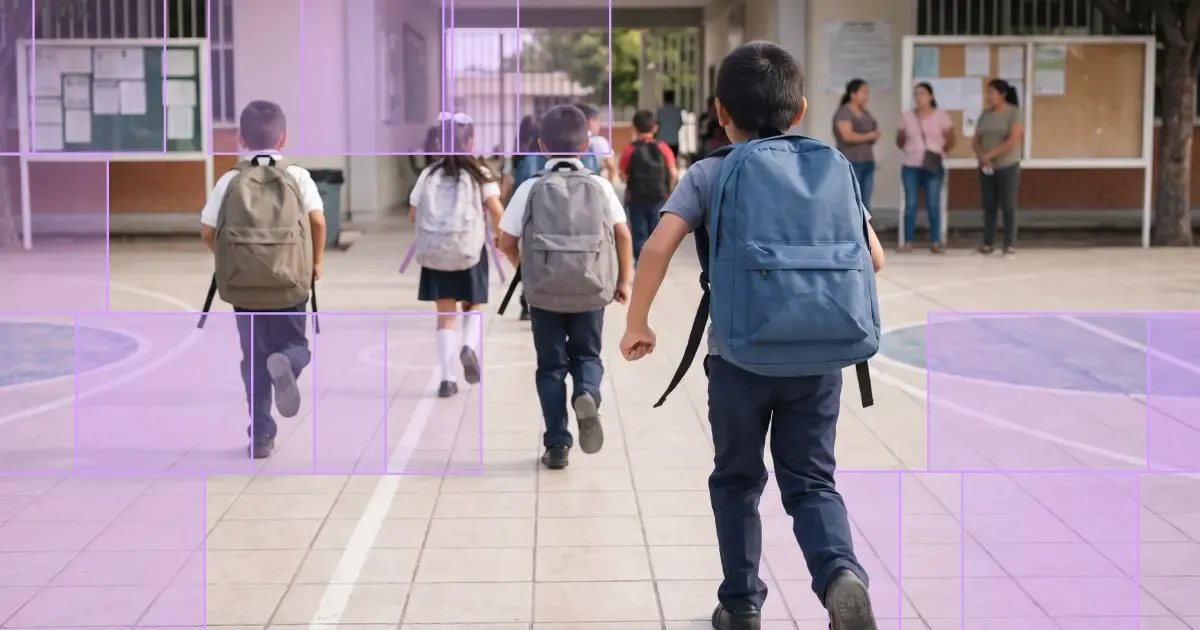
Il ritorno a scuola è uno di quei momenti dell'anno in cui si sente particolarmente la distanza dai propri cari. È anche uno dei periodi più costosi: materiale scolastico, uniformi, rette e spese quotidiane si concentrano spesso nello stesso periodo. Molte persone aiutano i propri familiari all'estero a coprire queste spese inviando loro del denaro. Per venire incontro a queste esigenze, i nuovi clienti Paysend possono effettuare il primo trasferimento senza commissioni e usufruire di un tasso di cambio più vantaggioso durante il periodo del ritorno a scuola.
Che si tratti di contribuire alle spese scolastiche o di aiutare a coprire le spese quotidiane, un trasferimento internazionale ti permette di sostenere i tuoi cari proprio quando ne hanno bisogno. Con Paysend puoi inviare denaro in oltre 170 Paesi utilizzando metodi di pagamento sicuri e convenienti. Ecco come registrarti gratuitamente e approfittare dell'offerta.


