Gândind pentru viitor.
Citiți cele mai recente articole Paysend
Alegerea serviciului potrivit pentru transferuri internaționale îți poate economisi timp, bani și efort. În 2025, Paysend și Remitly sunt două dintre cele mai populare opțiuni, ajutând milioane de oameni să trimită bani celor dragi din întreaga lume. Dar care oferă mai multă valoare — și rezultate mai rapide? Să aflăm.
Remоzo (Apzone Ltd, Cyprus) is a global hiring & payroll platform. It helps companies to manage international talent through Contractor-of-Record (COR) and Employer-of-Record (EOR) solutions.
Remozo’s mission is to simplify cross-border work by enabling businesses to hire, onboard, manage, and pay contractors or full-time employees in over 190 countries.

As autumn arrives, communities around the globe celebrate the harvest season — a time to give thanks for food, family, and abundance. From Asia to Europe to the Americas, harvest festivals highlight the universal importance of gratitude and togetherness.
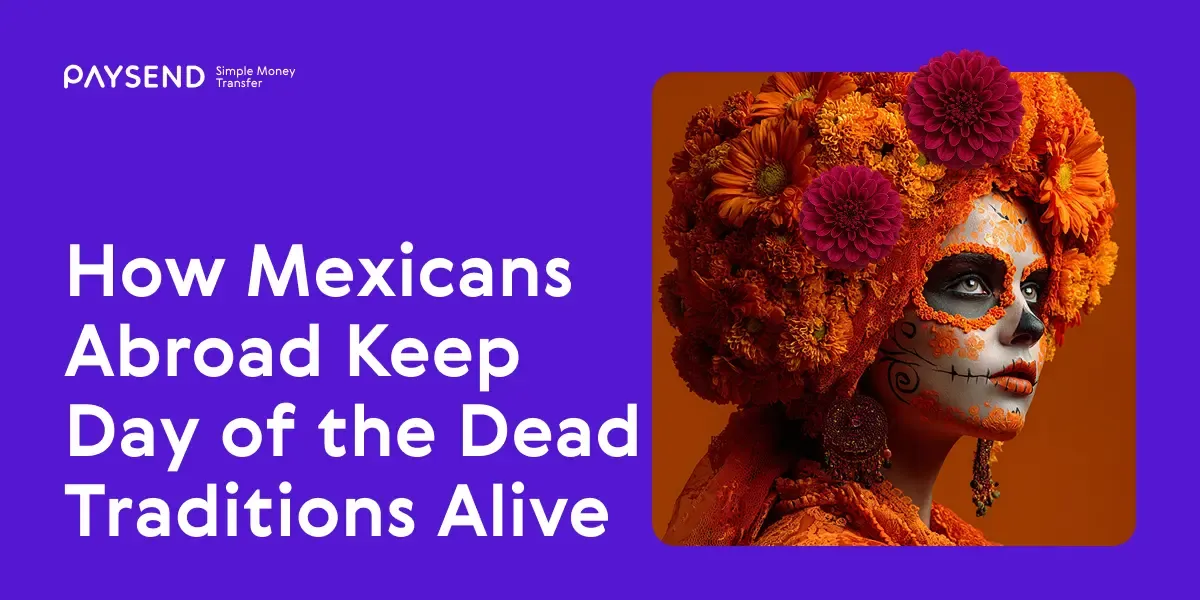
Every year from October 31 to November 2, families in Mexico and around the world celebrate Día de los Muertos (Day of the Dead) — a colorful tradition that honors loved ones who have passed away. For Mexicans abroad, keeping this tradition alive is a way to stay close to family and heritage, no matter the distance.


