How to send money from the US to India

With a population of over 1.3 billion people, India is a thriving hub with a diverse workforce helping to power the global economy.
There are about 2.7 million Indian immigrants currently living in the US, making up 1.2% of the country’s population. Many of these expats are still an important resource for their families living in India as they often send money home so that their loved ones can buy food, pay for the medical care they need and more.
Indian expats need a fast, secure and affordable way to send money home to their friends and family. Therefore, we put together a list of options available to help you make a better decision for transferring money internationally.
How can I send money to India?
Money transfer options can be split into two main categories: online or offline.
Traditional offline methods for sending money may be a better option for people who are not confident using technology. However, this method may take more time due to having to commute to a bank branch or remittance outlet and wait in a line to speak to a cashier.
If you’re comfortable using a smartphone or laptop, then you may want to consider sending money digitally using an online transfer service. This method may save you time and money as online transfers help avoid high commissions and waiting around for a bank to process the payment.
How can I send money from the US to India with Paysend?
Paysend offers a fast, affordable and easy way to send money online to India. All you have to do is download the clear and simple Paysend app, sign up, and in just a few taps you can cheaply and quickly send money to a loved one’s Indian bank account or via UPI payments.
But don’t just take our word for it. Check out our Truspilot page to discover what our 3.5 million customers think of Paysend and why nearly 90% have given us 5 stars!
How much does it cost to send money to India?
With our low and transparent transfer fee, you can send money from the US to India for just $2. Meaning you can transfer even more money home to your loved ones!
We also use competitive exchange rates, which means money transfers to India made with Paysend may be more affordable than other methods. You can find out exactly how much INR your recipient in India will receive by visiting this link: Money Transfers from USA to India.
How long does it take to transfer money to India?
Most of our transfers arrive in India in close to real-time of being sent, although it can take up to 3 business days depending on your recipient’s bank processing time. You may also read about how to easily transfer money to India online!
Download the Paysend app* from the the App Store or Google Play to start sending money to India today.
*Standard data rates from your wireless service provider may apply.
Mga Pinakabagong Post
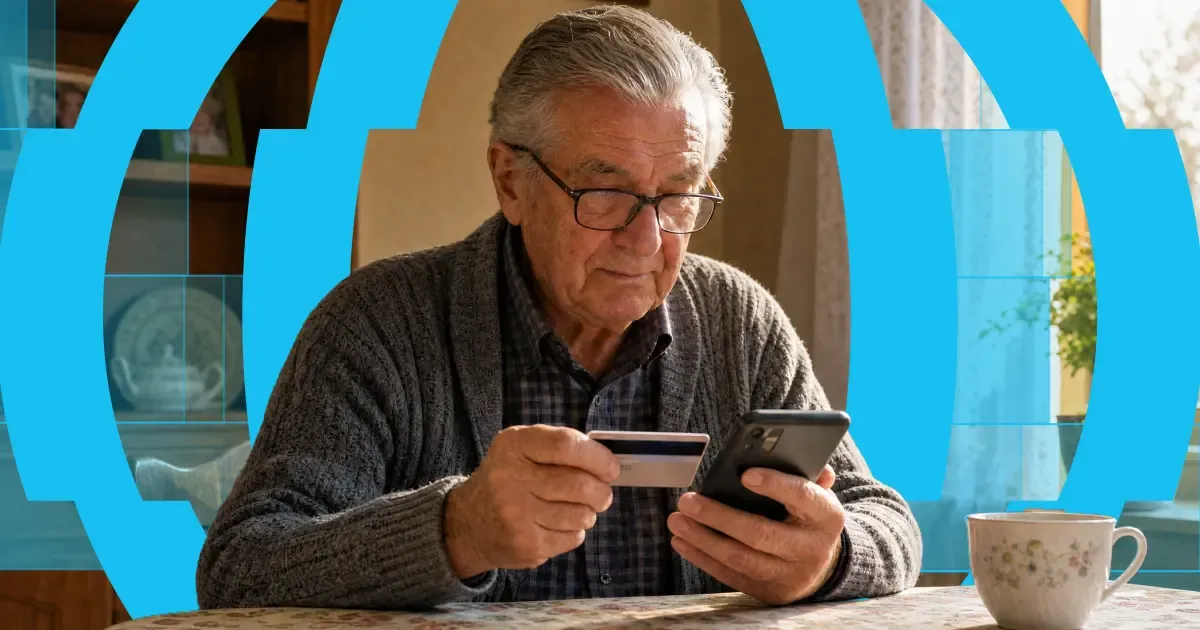
Here's the short answer: yes, you can use a credit card to get money into someone's bank account abroad. "Credit card to bank transfer" means exactly that — you fund the transfer with your credit card, and your recipient receives it in their bank account. Or on their card, in their wallet, or as cash to collect, depending on where they are.
The card and the bank account do different jobs. Your card pays for the transfer. A provider like Paysend then pays the money out through local systems on the other end. It's one flow, and it takes about a minute in the app.
One thing worth knowing before you start: a credit card is usually the most expensive way to fund a transfer. Some issuers treat it as a cash advance, and credit tends to carry higher payment fees than debit. You'll always see the full cost, exchange rate included, before you confirm anything. What follows is: the ways your money can arrive, what each one costs, how fast it gets there, and the cheaper routes worth checking first.

Every month, thousands of people working in the Czech Republic send part of their payday home — many of them Ukrainians supporting family across the border. And the traditional route makes it harder than it should be: bank wires that ask for IBANs and SWIFT codes, fees that only show up after the money's gone, and days of waiting while someone at home is counting on it.
Pavel Štich has spent years helping his readers solve exactly that. He's Co-Founder and Lead Financial Editor at Moneyo.cz, an independent Czech platform that compares money transfer services, stock brokers, and alternative investments — and a Paysend Ambassador, which means he tests what he recommends, explains it plainly, and brings his readers reader-only perks. We asked him how Moneyo started, who reads it, and why he chose Paysend.


